Parker Gifts Foreman Brendan The BIGGEST Dozer He’s EVER Bought To Make $420,000!
The latest developments on Gold Rush revealed a week filled with tension, tough ground conditions and a powerful new machine that could reshape Parker Schnabel’s mining operation. As the team pushed deeper into the airstrip cut, what began as a routine inspection quickly exposed a costly oversight—one that sparked a heated exchange between Parker and members of his crew.
While Brennan Ruault and JM were busy stripping overburden on a new extension, Parker decided to walk through the section of ground that had already been mined. The inspection did not go as expected.
As he examined the floor of the cut, Parker noticed something that immediately raised concern: gold-bearing river rock still sitting in the ground. The presence of this material suggested that valuable paydirt had been left behind during earlier digging.
For Parker, who has spent years building one of the most efficient mining operations in the Klondike, the discovery was frustrating.
“I shouldn’t have to walk your floor,” he told the crew as he pointed out the missed material. “There are round rocks everywhere.”
The issue appeared to stem from a section of the cut that had been stripped before Brennan arrived at that area. However, Parker made it clear that the responsibility for the quality of the work still rested with the team managing the site.
“You in charge or are you not in charge?” Parker asked during the tense exchange.
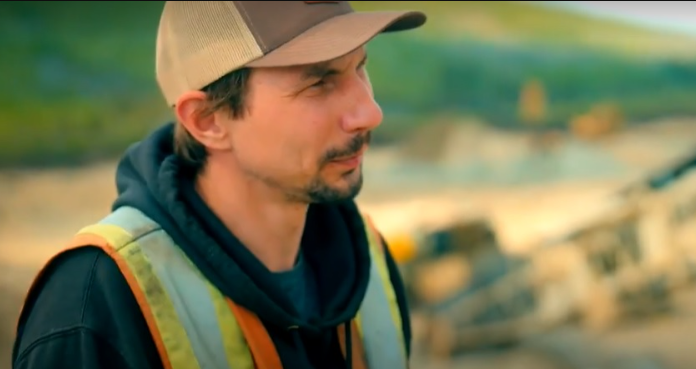
Brennan explained that he had only recently started working that part of the cut and had spent much of the day dealing with overburden further back. Nevertheless, Parker emphasized that basic mining practices must always be followed, regardless of how busy the crew might be.
“If anybody wants to go home, they can go home right now,” he said. “But rushing through a cut or leaving gold behind isn’t acceptable.”
The confrontation escalated briefly, with Brennan expressing frustration over the situation and the pressure he was under managing multiple tasks at once.
Moments like these are not unusual in the high-stakes environment of large-scale gold mining, where missed paydirt can translate into thousands of dollars in lost revenue. Still, the exchange highlighted the pressure that comes with running a complex operation under tight timelines.
Later in the day, Parker approached Brennan privately to address the earlier confrontation.
In a calmer conversation, he acknowledged that his reaction had been stronger than it should have been.
“I wanted to explain a little more my blow-up in the cut,” Parker said. “I shouldn’t do it that way.”
He also made a point of recognizing Brennan’s progress as a leader within the operation.
“Since you’ve shown up here, you’ve come so far and you’ve been doing a great job,” Parker added, while reiterating the importance of maintaining the basics when mining paydirt.
Brennan accepted the apology, saying he respected Parker for addressing the situation directly.
The tension eased, but the crew still faced a major challenge in the ground ahead.
As Brennan continued working the cut, he ran into a layer of permafrost—ancient dirt and gravel frozen solid since the last ice age. The material proved extremely difficult to break apart, placing intense strain on the equipment.
“This stuff is like granite,” Brennan explained as the machine struggled to rip through the frozen ground.
Breaking through permafrost often requires repeated passes with a ripper attachment, and the process can be slow and damaging to heavy machinery. Brennan expressed concern about potentially breaking a ripper shank, which would be a costly repair.
Fortunately for the crew, Parker had already planned a solution.
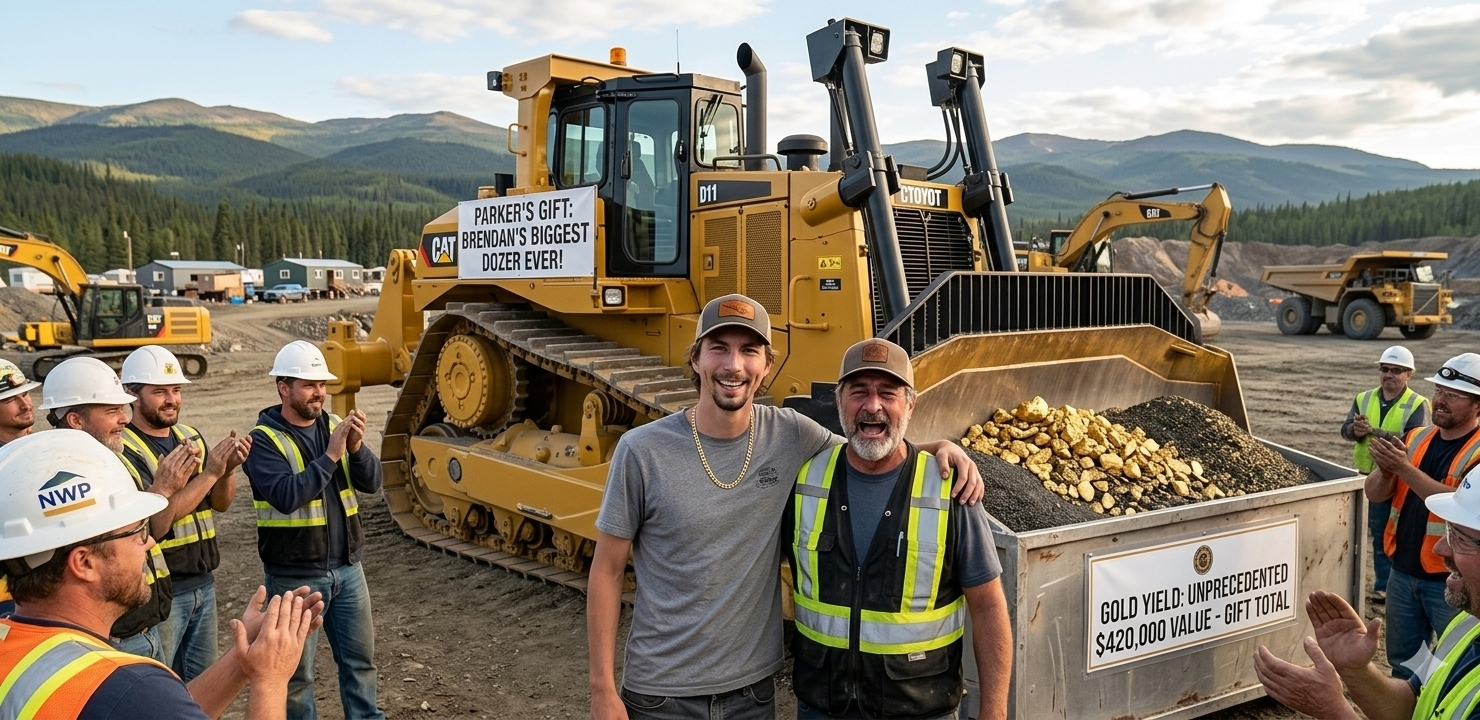
Back at the yard, a massive new machine had arrived earlier than expected: a Caterpillar D11 dozer, the largest piece of equipment Parker has ever owned.
The giant machine, weighing roughly 250,000 pounds and powered by an 850-horsepower engine, is significantly more powerful than the D10 dozers typically used at the site. Its enormous blade allows it to move far more material in a single pass.
Parker explained that the dozer had originally been ordered for the following season but had arrived ahead of schedule.
The timing proved perfect.
When Brennan climbed into the cab of the D11, the difference was immediately clear. The added weight and power allowed the machine to rip through the frozen gravel far more efficiently than the smaller equipment.
“Half the rips means more efficiency and more gold in the box,” Brennan said as the machine tore apart the tough ground.
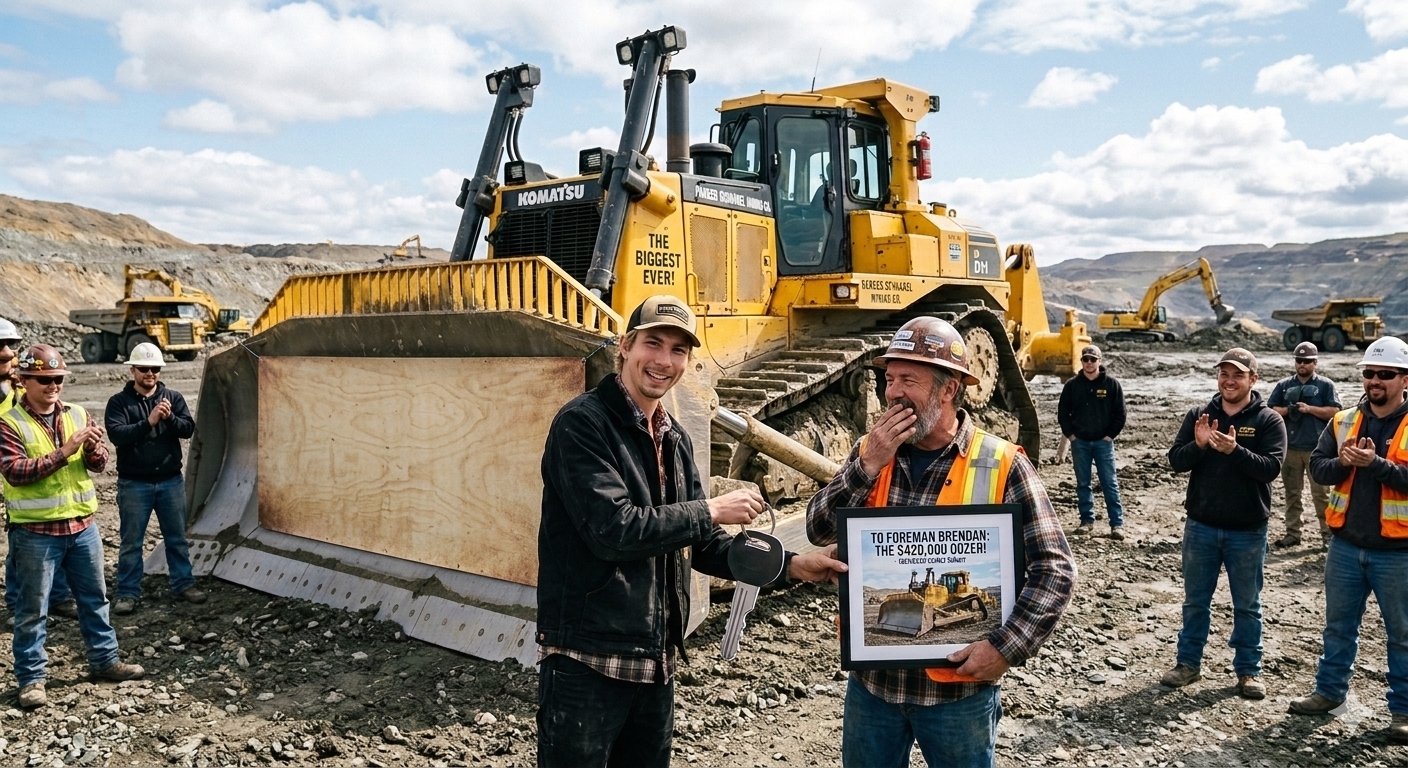
With the new dozer in action, the crew quickly regained momentum.
At the end of the week, the team gathered for one of the most anticipated moments of every mining cycle: the gold weigh-in.
The previous week had been difficult for Brennan’s operation at the Big Red plant. His production had fallen well short of Tyson Lee’s competing plant, which had delivered an impressive 209 ounces of gold.
This week, however, Brennan was determined to turn things around.
As the gold was weighed, the result came in at 221.5 ounces—worth more than $420,000 at current prices.
The strong total comfortably surpassed Tyson’s latest result of 196.85 ounces, valued at more than $370,000.
Combined, the two plants produced 418 ounces of gold for the week, a haul worth roughly $790,000.
The result also pushed Parker Schnabel’s season total past 6,800 ounces, putting the operation within reach of last year’s final total of 7,223 ounces.
For Parker, the numbers represent more than just a successful week.
Strong production now could help fund new ground for the next mining season, allowing the operation to continue expanding.
“If you can keep them running,” Parker told the crew, “we’ll have a really good year.”
With powerful equipment, experienced operators and momentum building, the Schnabel team appears well positioned as the season moves toward its final stretch.