The True Value of Jeremy Clarkson’s Farm in 2026: Looking Beyond the Fields of Diddly Squat
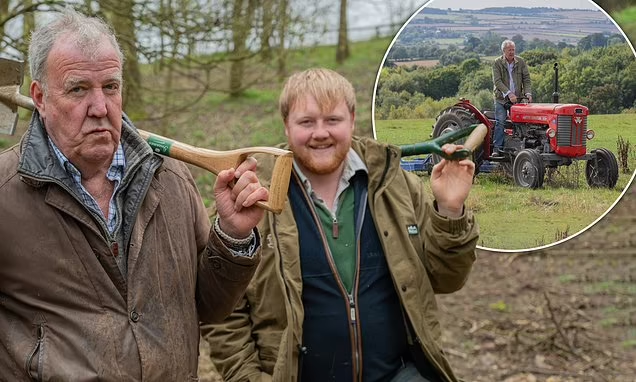
When Jeremy Clarkson first purchased his Oxfordshire farmland and began documenting his agricultural journey in Clarkson’s Farm, few could have predicted how influential the project would become. What started as a television experiment—an attempt by a former motoring journalist to manage a working farm—has evolved into one of the most recognizable agricultural properties in Britain.
By 2026, the question many observers are asking is no longer whether Clarkson’s farm is successful as a television concept, but rather what the true value of the property actually is. The answer goes far beyond simple farmland prices. The real worth of Clarkson’s ranch lies in a combination of land, businesses, media influence, and cultural impact.
The Land Itself: A Valuable Oxfordshire Asset
Clarkson’s Diddly Squat Farm sits within the Cotswolds region, an area widely regarded as one of the most desirable rural locations in the United Kingdom. Agricultural land in this part of the country has steadily increased in value over the past decade, driven by demand for countryside estates, environmental investment, and food production.
Estimates suggest that high-quality farmland in the Cotswolds can range from £8,000 to £15,000 per acre depending on productivity and location. With Clarkson’s holding believed to span roughly 1,000 acres, the raw land value alone could place the farm’s worth in the tens of millions of pounds.
However, focusing only on acreage would miss the broader picture.
A Farm That Became a Brand
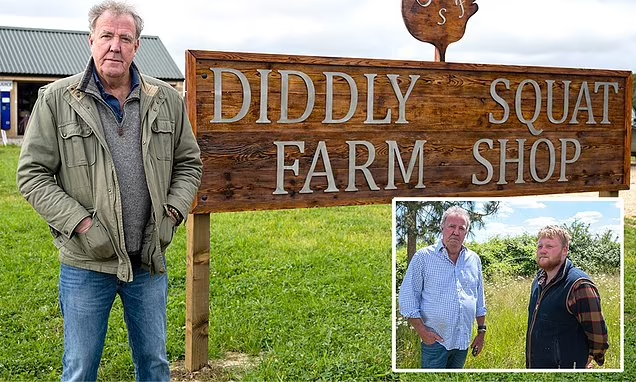
The real transformation occurred when Clarkson’s Farm premiered on Amazon Prime. The series turned Diddly Squat into more than farmland—it became a brand.
The farm shop quickly developed a reputation for drawing large numbers of visitors. Lines of customers traveling to buy produce, honey, cider, and other local products became a recurring image on the show.
The opening of Clarkson’s pub venture, The Farmer’s Dog, added another layer to the property’s commercial potential. Hospitality businesses connected to the farm now play a significant role in generating income.
From an analytical standpoint, this is where Clarkson’s farm diverges from traditional agricultural models. The land is not simply producing crops; it is producing experiences.
Tourism, media visibility, and direct-to-consumer sales have created multiple revenue streams that typical farms rarely possess.
Media Influence as an Asset
Another major component of the farm’s value is its role as a filming location for a globally distributed television series.
Clarkson’s Farm has become one of Amazon Prime’s most successful documentary-style productions. Each season introduces millions of viewers to the realities of British agriculture while also increasing the visibility of the farm itself.
This kind of exposure effectively transforms the property into a media asset. In economic terms, the brand value attached to Diddly Squat may rival the physical value of the land.
Merchandise, tourism, and agricultural partnerships all benefit from the show’s popularity.
From a business perspective, Clarkson’s ranch operates somewhere between a farm, a tourism destination, and a television production hub.
The Role of the Supporting Cast
An important part of the farm’s success has been the personalities working alongside Clarkson.
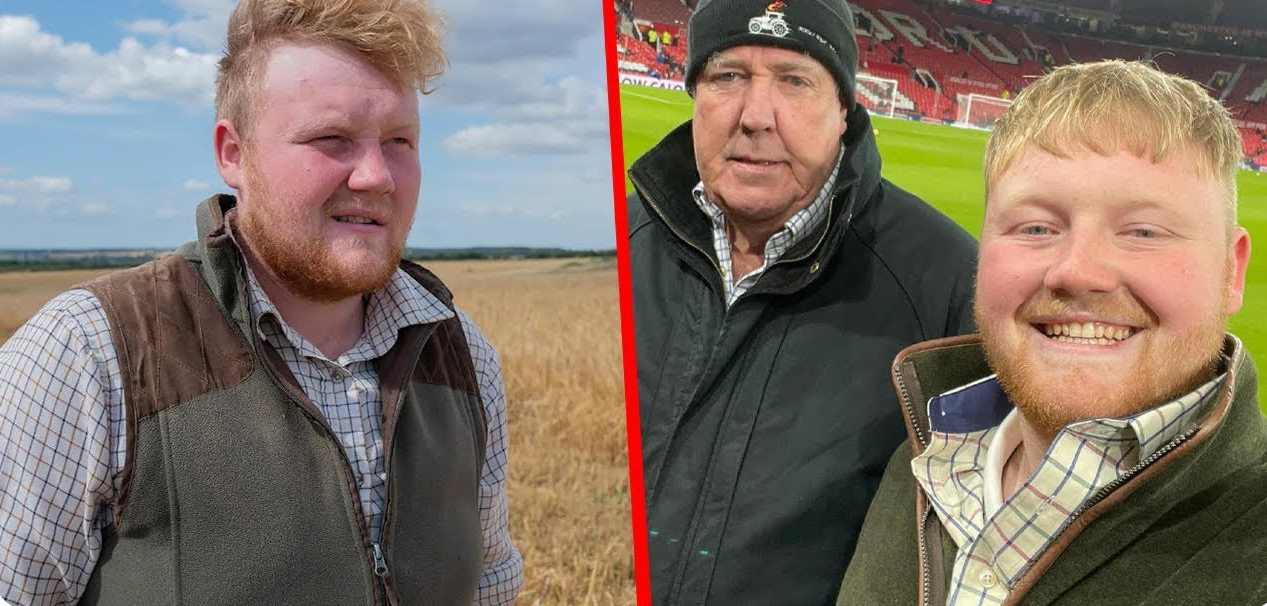
Kaleb Cooper, the young farming contractor who frequently challenges Clarkson’s decisions, has become one of the show’s breakout stars. His growing popularity has led to books, live tours, and national recognition.
Lisa Hogan manages the farm shop and hospitality operations, ensuring the commercial side of the business runs smoothly.
Charlie Ireland, the farm’s land agent, provides the regulatory and financial perspective that highlights the complexity of modern farming.
More recently, Harriet Cowan has emerged as another key figure, demonstrating impressive farming skills and bringing a fresh dynamic to the team.
Together, these personalities help maintain the authenticity of the series while also strengthening the brand identity surrounding the farm.
Political Influence and Agricultural Advocacy
Another dimension of Clarkson’s farm’s value lies in its impact on public discussion around farming policy.
Clarkson has used the platform created by the show to highlight challenges facing farmers in Britain, including planning regulations, crop pricing pressures, and environmental restrictions.
In several high-profile columns and interviews, he has argued that many farming families face financial uncertainty despite owning large areas of land.
By bringing these issues to a mainstream audience, Clarkson has positioned Diddly Squat as more than a television set—it has become a focal point for debates about rural policy.
This influence adds intangible value that cannot easily be measured in acreage or revenue.
What the Future May Hold
Looking ahead, the value of Clarkson’s ranch may continue to grow as the project evolves.
There are several possible directions the farm could take in the coming years.
One possibility is further expansion into hospitality and tourism. Farm-based experiences, food events, and seasonal markets could attract even more visitors.
Another scenario involves deeper involvement in sustainable agriculture. Clarkson has increasingly experimented with new crops and land management practices, reflecting wider trends in British farming.
There is also the possibility that future seasons of Clarkson’s Farm will explore broader agricultural partnerships, connecting Diddly Squat with other farms and rural producers across the country.
More Than Just a Farm
Ultimately, the true value of Jeremy Clarkson’s ranch in 2026 cannot be measured purely in land prices.
Yes, the property itself is valuable farmland in a highly desirable region. But what truly sets it apart is the ecosystem built around it: television production, tourism, retail, hospitality, and public conversation about agriculture.
Diddly Squat Farm has become something rare in the farming world—a place where entertainment, business, and rural life intersect.
As Clarkson himself might put it, the farm has grown into something far bigger than a field of crops.
And if the past few seasons are any indication, the story of what lies within its gates is far from finished.