Alaskan Mine Collapse Reveals Parker’s $84M Hidden Gold Jackpot
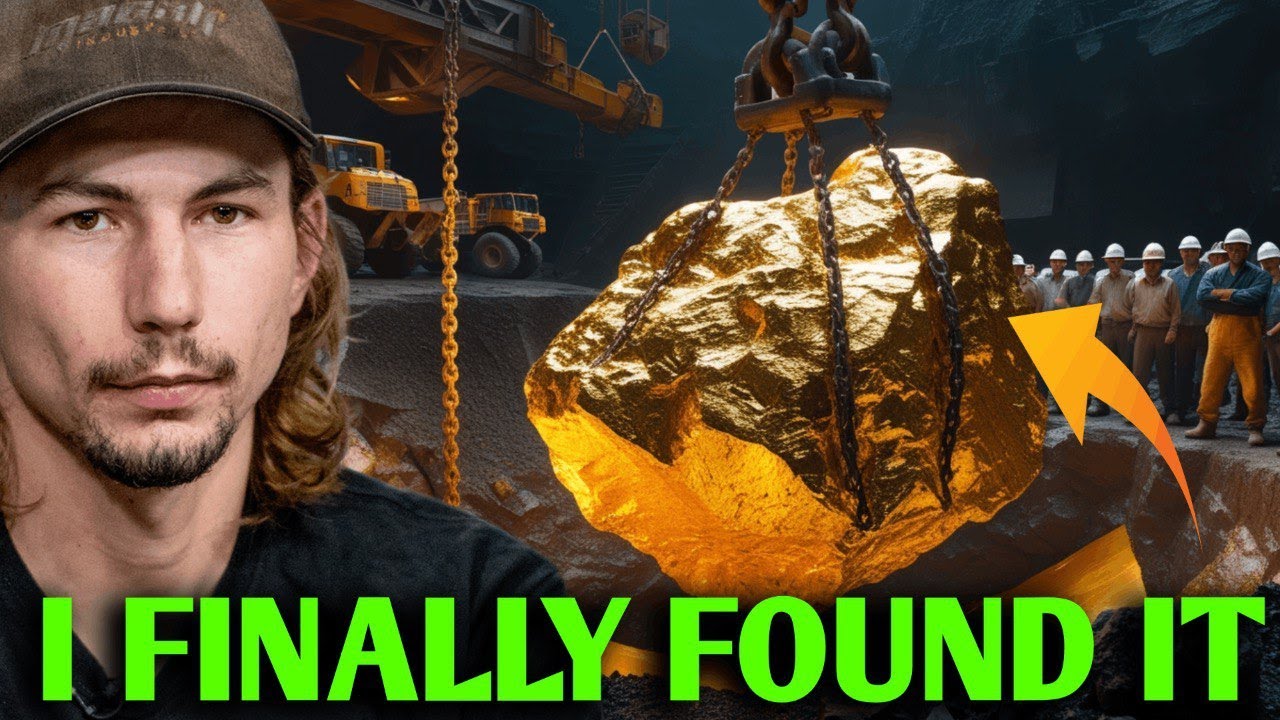
Claims surrounding a remote Alaskan site known as Black Echo Ridge have recently ignited intense debate across mining circles and online forums, following reports that Parker Schnabel and his team encountered an extraordinary underground deposit during a privately conducted exploration. While details remain fragmented and unverified, the story—part fact, part allegation—has drawn attention not only for its claimed financial scale, but for the unusual circumstances said to surround the find.
According to multiple accounts circulating among industry insiders, the operation began after Schnabel received an unusual tip pointing toward a long-sealed mine in Alaska’s northern range. Officially closed in the mid-20th century and buried beneath ice, landslide debris, and permafrost, the site was thought to be inaccessible. Yet thermal overlays and advanced scanning techniques reportedly revealed deep, symmetrical underground anomalies inconsistent with natural geology.
What followed, sources claim, was a rapid and discreet mobilisation. Using helicopters and specialised drilling equipment, Schnabel’s crew allegedly reached the collapsed access point after several days of careful excavation. Beneath layers of ice and rock, they are said to have uncovered evidence of a much more complex underground system than historical records suggested—one featuring sealed chambers, reinforced walls, and unregistered tunnels.
The most striking claim concerns the material reportedly found behind one of these barriers. Rather than scattered ore, accounts describe dense, fused gold formations embedded directly into the cavern walls—material that some estimate could exceed $80 million in value if ever processed. The gold, however, is said to have displayed unusual physical characteristics, including irregular internal structures and anomalous readings that challenged conventional geological explanations.
Adding to the intrigue was the alleged discovery of a journal attributed to a former mine foreman, dated to the early 1950s. The document, said to have been found near the sealed chamber, reportedly describes an encounter with an unusual gold deposit that behaved unlike any known vein. Entries allegedly reference extreme heat, tool failures, and increasing instability within the mine shortly before its historic closure.

None of these claims have been independently verified, and Schnabel has not publicly confirmed the existence of the journal or the alleged scale of the deposit. However, individuals familiar with the operation suggest that the site presented serious structural concerns. Reports describe rising pressure readings, electromagnetic interference, and the need to halt extraction to prevent further destabilisation of the surrounding rock.
What has fuelled further speculation is what reportedly happened next. Several refineries are said to have declined to process samples from the site, citing internal assessments that flagged irregularities in the material’s composition. In at least one case, documentation allegedly referenced “unknown structural embedments,” language that has since circulated widely online.
Shortly afterward, the operation was reportedly interrupted by an unannounced inspection from unidentified officials, who requested data, samples, and footage connected to the site. Those present have claimed that operations were instructed to cease under a legal framework that does not appear in publicly accessible records. No formal statement has been issued by federal agencies, and requests for clarification have gone unanswered.
Equally difficult to confirm are reports that digital records linked to Black Echo Ridge—satellite imagery, survey data, and archival mining files—became inaccessible or were altered following the operation. While such claims are impossible to substantiate, they have contributed to a growing perception that the site has been deliberately obscured from public view.
Indigenous communities in the broader region have also been drawn into the discussion, with elders reportedly referencing long-standing oral histories describing a “sealed place” associated with warnings rather than wealth. These accounts, shared cautiously, have been interpreted by some as cultural context and by others as symbolic coincidence.
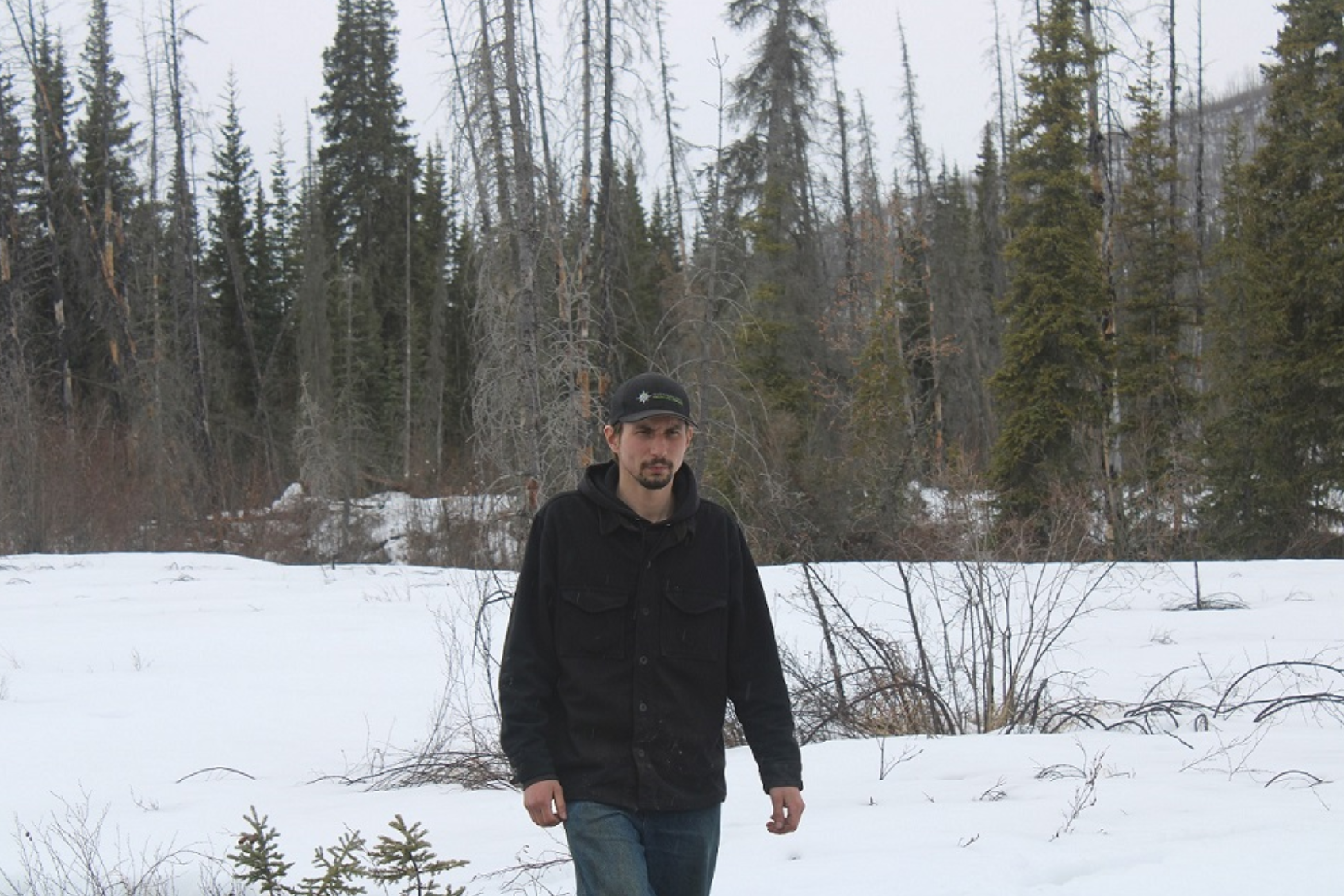
What remains verifiable is that Schnabel’s operation recorded an unusually high gold yield during the same period these events allegedly took place. Financial disclosures show a significant increase in recovered material, though a substantial portion has not appeared in standard processing channels. Industry analysts note that delays in refining can occur for many reasons, including logistics, security, and market timing.
Schnabel himself has offered little public comment. In recent appearances, he has acknowledged completing one of the most complex extractions of his career, while declining to discuss specific locations or technical challenges. When asked directly about Black Echo Ridge during a closed industry event, attendees report that he chose not to respond.
For now, Black Echo Ridge exists in a space between confirmed mining activity and unproven narrative. Without official documentation, independent testing, or on-the-record statements, many of the more extraordinary claims remain speculative. Yet the persistence of similar accounts from unrelated sources has ensured the story continues to attract attention.
Whether Black Echo Ridge represents an unconventional geological formation, a misunderstood historical site, or something else entirely, the episode highlights how little is still known about some of the most remote mining regions in North America. As with many stories tied to hidden resources and restricted sites, the absence of clear answers may ultimately prove as compelling as the claims themselves.