Jeremy Clarkson’s Suspension: The BBC’s Breaking Point and Britain’s Cultural Divide
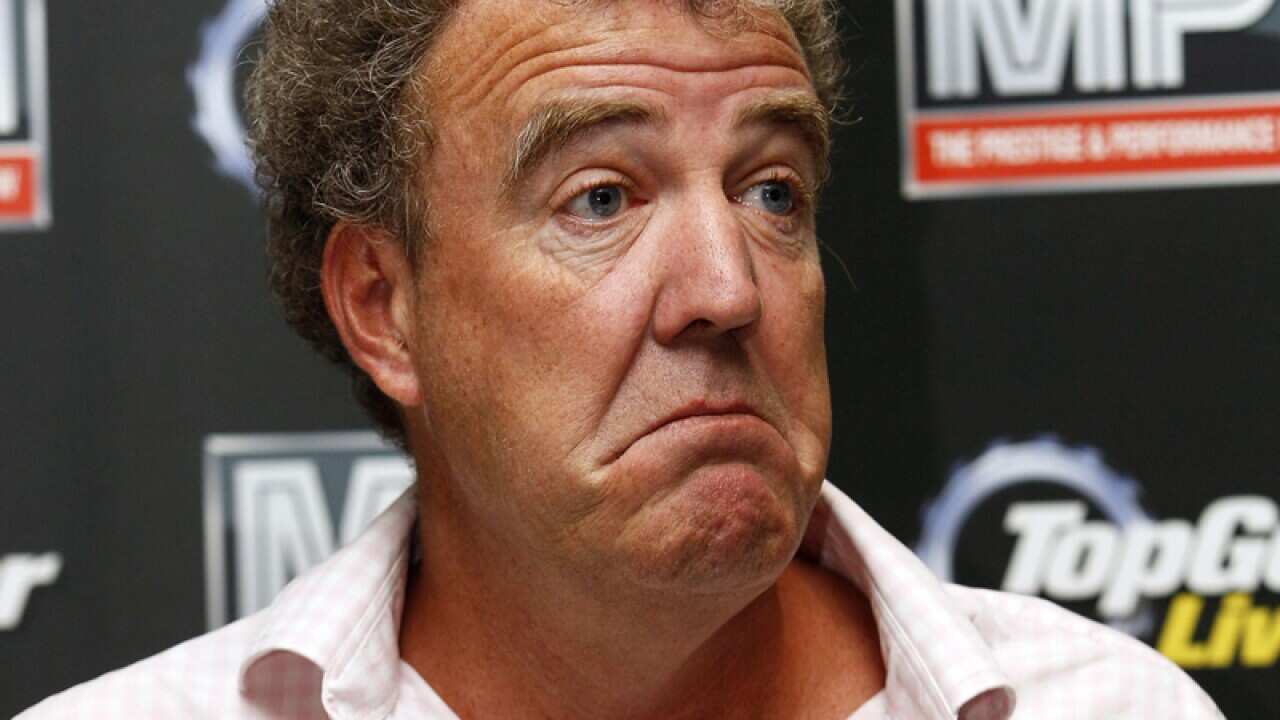
When a television presenter’s suspension becomes a national debate, it’s clear that the issue runs deeper than entertainment. Jeremy Clarkson, the outspoken host of the BBC’s flagship motoring show Top Gear, has once again found himself at the center of a cultural storm — and this time, it could mark the end of an era for both him and the BBC.
On Tuesday, Clarkson was suspended following what the corporation described as a “fracas” with an assistant producer. Reports suggest that the altercation involved a heated argument and possibly physical contact. The incident is now under internal investigation. For most television hosts, such behavior would result in immediate dismissal. But Clarkson is not “most hosts.” He’s a global brand, a symbol, and for many, a voice of a certain Britain that feels left behind.
In his column for The Sun, Clarkson hinted that his time with the BBC might be over, writing: “The day must come when you have to wave goodbye to the big monsters.” Calling himself a “dinosaur,” he acknowledged that the world — and perhaps the BBC — is moving on from his brand of humor and controversy. But will his audience let him go so easily?
For his millions of supporters, Clarkson represents something essential: an unapologetic, straight-talking, working-class hero who defies political correctness and bureaucratic nonsense. His critics, however, see him as the embodiment of outdated privilege — a loud, often offensive relic whose jokes about race, nationality, and gender have no place in modern broadcasting.
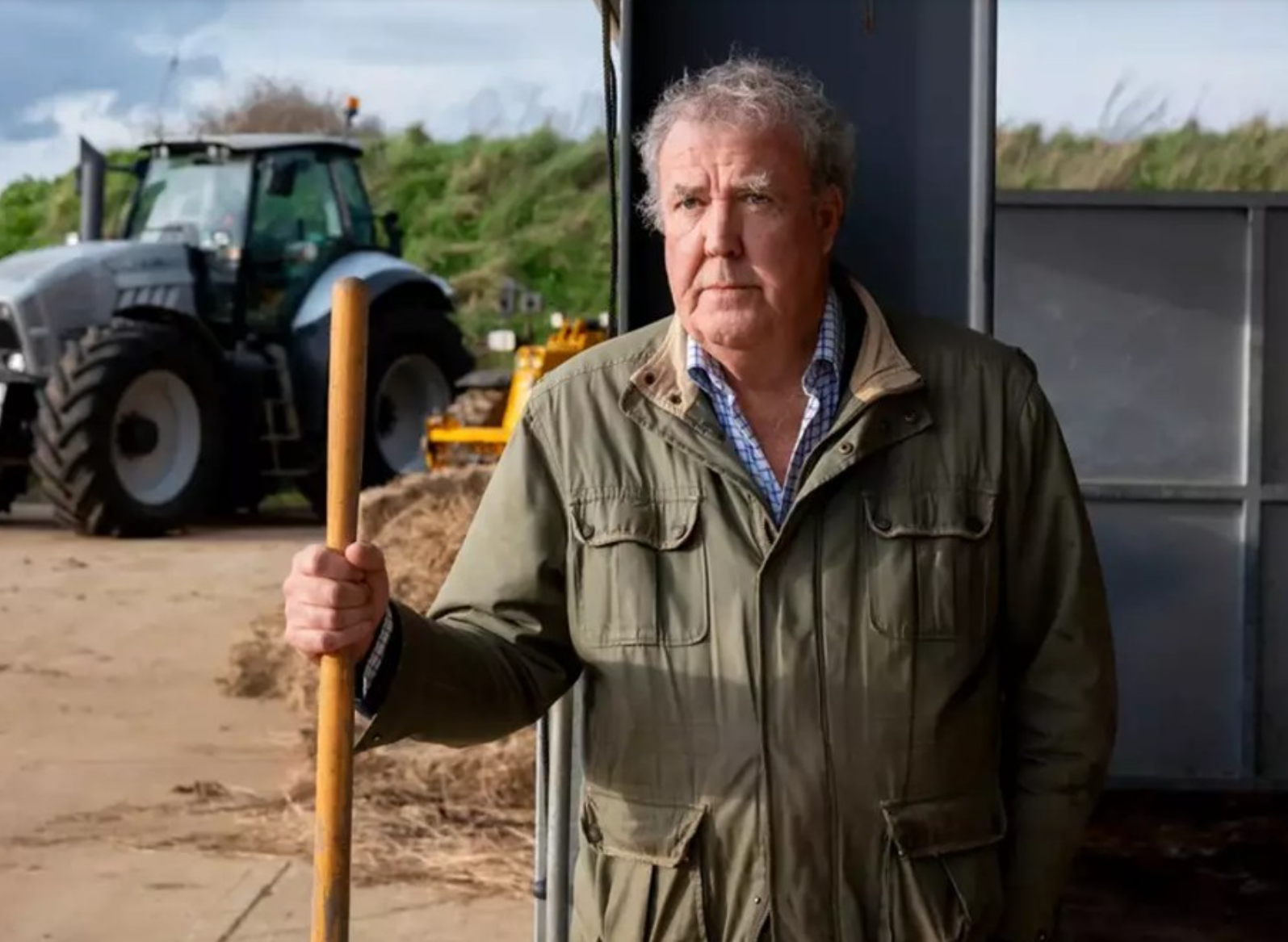
The BBC, stuck between these two opposing forces, faces a near-impossible choice. Since Clarkson joined Top Gear in 1988, he has turned it from a niche program for car enthusiasts into one of the BBC’s most successful global exports. The show now boasts more than 350 million viewers across 214 countries and generates an estimated £50 million annually for BBC Worldwide. Firing him might mean not only losing a star but also alienating millions of loyal viewers and partners.
Still, the network’s tolerance for controversy appears to be wearing thin. Clarkson was already on a final warning before this latest incident. Previous scandals included using the N-word in unaired footage, making offensive jokes about Mexicans, Germans, and Romanians, and sparking a diplomatic incident in Argentina when Top Gear’s production crew was attacked over a license plate referencing the Falklands War. Each time, the BBC faced public outrage and international embarrassment — and each time, it chose to protect its most bankable star.
This time feels different. The fracas has become a symbol of a deeper problem within the BBC: the tension between commercial success and public accountability. As a publicly funded broadcaster, the BBC is under pressure to uphold standards of conduct and fairness. Yet, firing Clarkson could result in a massive backlash from fans — over 800,000 people have already signed a petition demanding his reinstatement. Meanwhile, a YouGov poll shows that 45% of Britons believe he should be sacked. The country is split almost perfectly in two.
The repercussions extend beyond the BBC. The suspension has already forced the corporation to cancel the remainder of the current Top Gear series, potentially requiring financial compensation to foreign broadcasters. A live show scheduled for Norway is also in doubt, leaving organizers and ticket holders in limbo.
So what comes next?
From an analytical standpoint, the BBC faces three possible paths:
-
Reinstatement under strict conditions.
The BBC could decide to bring Clarkson back after the investigation concludes, pairing his return with mandatory behavioral clauses and an on-air apology. This would appease fans and preserve Top Gear’s commercial value, though critics would accuse the network of double standards. -
Permanent dismissal and rebranding.
Alternatively, the BBC could sever ties entirely, using the opportunity to reinvent Top Gear with a new host lineup. This route, however, risks alienating the show’s fan base and damaging its international reputation — especially if viewership plummets without Clarkson’s chemistry and controversy. -
A new venture outside the BBC.
The most likely outcome may be Clarkson’s move to a commercial platform. With streaming giants like Amazon or Netflix constantly seeking globally recognizable personalities, Clarkson could easily find a new home for a rebranded motoring show. In hindsight, such a move might even free him from the BBC’s editorial constraints and allow him to double down on the persona that made him famous.
Ultimately, the “Clarkson crisis” reveals more than a workplace dispute. It exposes Britain’s cultural divide — between those nostalgic for a blunt, unfiltered sense of humor and those demanding accountability and respect in public life. The BBC, once the steady voice of the nation, now finds itself navigating the same polarization that defines modern Britain.
Whether Clarkson stays or goes, Top Gear will never be quite the same again. The question isn’t just about one presenter’s fate — it’s about what kind of stories Britain wants to tell about itself in the 21st century.