THE RIVER OF KINGS: Search for Alaric’s $1B Visigoth Treasure Heats Up in Calabria
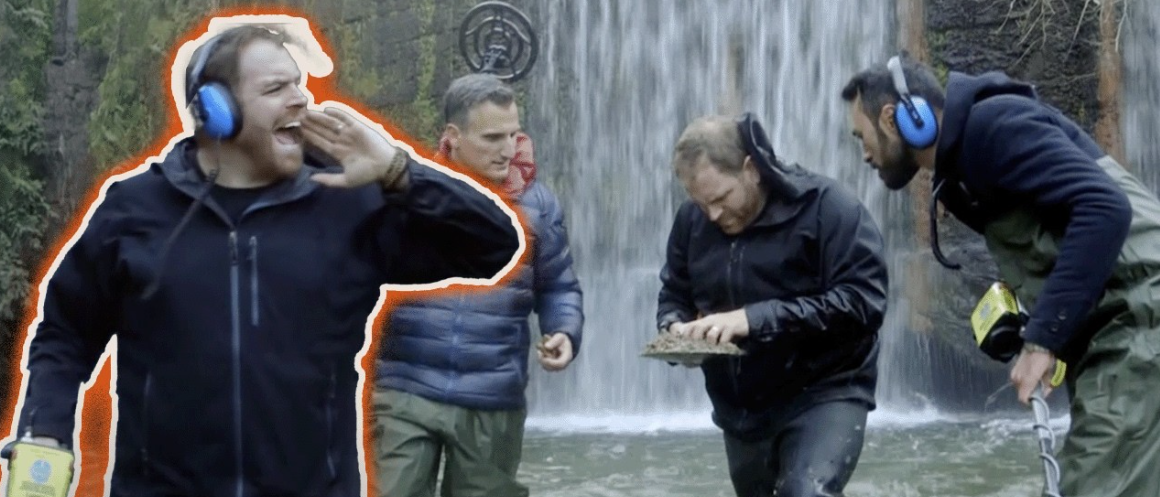
For 1,600 years, the “greatest lost treasure of all time” has remained a ghost of the Italian landscape. But this week, the hunt for the tomb of King Alaric—the Visigoth conqueror who first sacked Rome—moved from the pages of ancient manuscripts into the mud of the Busento riverbed, yielding artifacts that could rewrite the history of the Dark Ages.
Following the trail blazed by historian Francesco Sishi and the Mayor of Cosenza, Mario Occhiuto, a team of researchers has deployed LiDAR technology and subsurface electrical scanners to pinpoint an anomaly they believe marks the final resting place of the man who plundered Egypt, Babylon, and the Jerusalem Menorah.
The Legend of the Diverted River
According to the Getica, a 6th-century history of the Goths, Alaric died unexpectedly in 410 AD shortly after his historic triumph in Rome. To protect the king and his astronomical wealth from grave robbers, his army reportedly forced thousands of slaves to divert the course of the Busento River. After Alaric was buried in the dry riverbed alongside his gold and silver, the water was released back into its channel, and every slave involved in the construction was executed to ensure eternal secrecy.
High-Tech Hunting in the Farmland
The current search, the largest ever launched in the region, utilizes Light Detection and Ranging (LiDAR) to strip away the modern landscape. The scans revealed a series of “bumps” or anomalies beneath a farmer’s field—a site that perfectly matches the historical description of a hill where a wide river once flowed.
“The ground has been dug up; there was activity here,” noted the technical team during the survey. This led to the extraction of soil cores that confirmed a primary “river layer” of sand at a depth consistent with the 5th century.
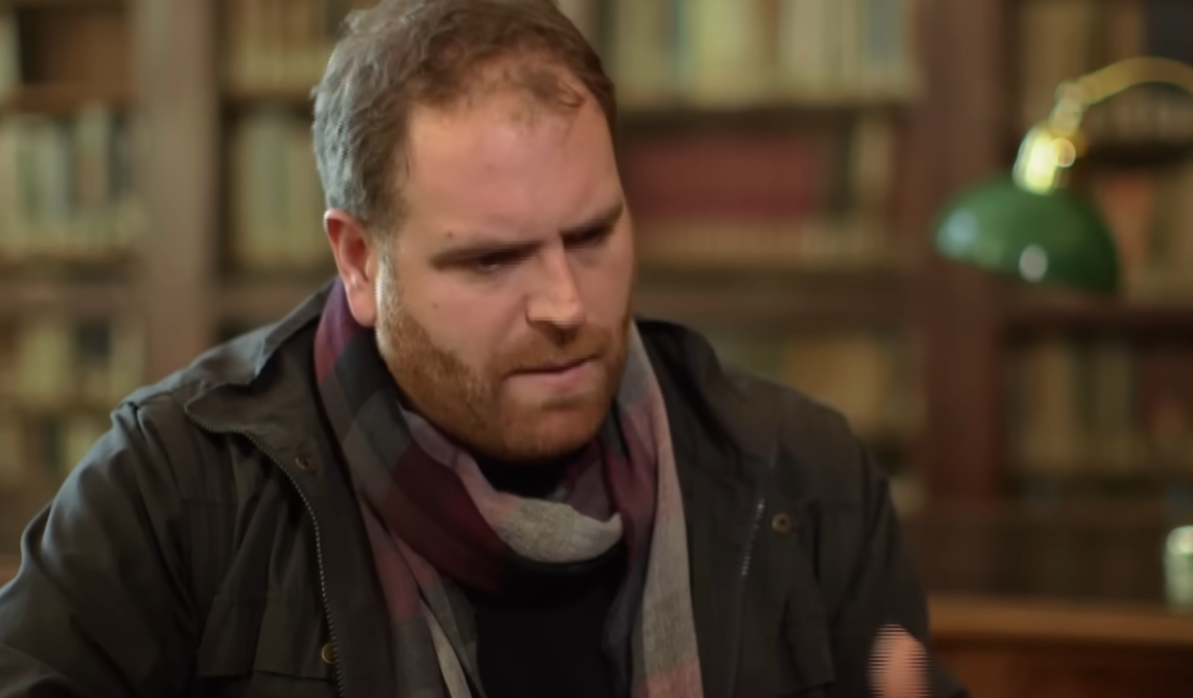
“A Time Machine in the Mud”
The physical evidence began to mount as the team cracked open their core samples. A fragment of marked copper, featuring an intricate ancient design, was recovered from the river layer. Experts on-site suggest the piece could be part of a brooch or belt belonging to a high-ranking Visigoth soldier, if not a piece of the Roman loot itself.
Further downstream, at the base of a waterfall, metal detectors signaled a “hit” that led to the discovery of an iron point—likely the tip of a blade or spear—and several fragments of ancient ceremonial pottery.
“This river is like a time machine,” the lead researchers remarked. “The artifacts prove human activity at the exact time and place Alaric was said to be laid to rest. The anomaly we imaged could very well be the tomb.”
The Multi-Billion Dollar Question
While the team has yet to uncover the fabled golden hoard, the presence of 5th-century weaponry and ornate metalwork in a precisely mapped “diverted” riverbed has brought the search closer than it has been in a millennium. As the sun sets over the hills of Calabria, the team is preparing for a full-scale excavation of the LiDAR anomaly.
If the legend holds true, the mud of the Busento River hides not just a king, but the concentrated wealth of the ancient world.