THE SIX-MONTH GRIND: Inside the Risks Economy of Parker Schnabel’s Mining Crew

While the cameras of the Discovery Channel often fixate on the intense gaze and strategic gambles of 24-year-old mining prodigy Parker Schnabel, a different story is being written in the dirt. It is the story of a specialized labor force that crams 18 months of traditional work into a single six-month Yukon season—and the eye-popping paychecks that make the exhaustion worth it.
Working for Schnabel is widely considered the ultimate “high-risk, high-reward” career move in the Klondike. With a season that runs from March to October, the crew operates on a relentless “7-to-7” schedule, seven days a week. It is a lifestyle defined by extremes: half a year of total professional immersion followed by five months of absolute silence when the ground freezes in November.
The Entry-Level Gold Mine
For those looking to break into the industry, the barrier to entry is high, but the floor for compensation is solid. According to recent data and candid insights shared by Schnabel himself, entry-level greenhorns typically start at $28 per hour.
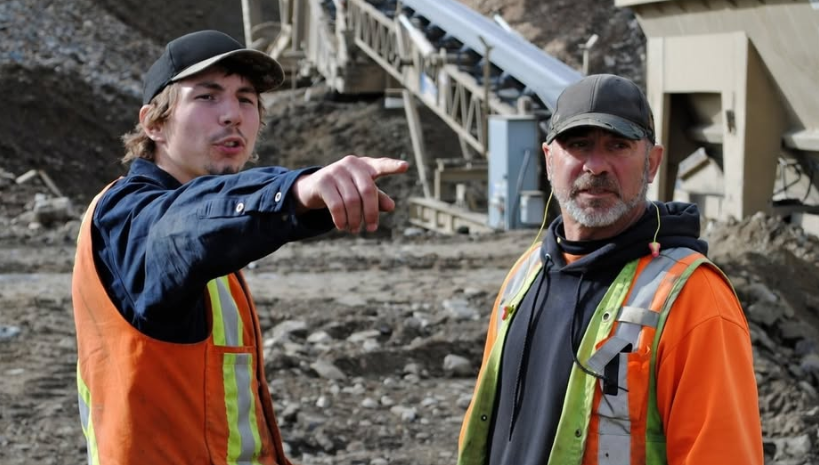
However, in the Klondike, the hourly rate is only half the story. Because the crew averages 75 hours per week, overtime pay becomes the primary engine of wealth. A standard weekly gross for a newcomer sits at approximately $2,900. Over a 25-week season, an entry-level worker can walk away with $65,000—a figure that surpasses many year-round entry-level salaries in the lower provinces.
Six Figures in Six Months
For experienced heavy equipment operators—the “iron-willed” individuals maneuvering multi-ton rock trucks and excavators through treacherous mud—the ceiling rises significantly. Rates for seasoned pros jump to $34 per hour or more.
When factoring in performance-based bonuses tied to gold hauls and potential stipends for television appearances, a veteran crew member’s total compensation can hit $140,000 for just six months of labor.
The “Total Immersion” Lifestyle
To maximize net income, Schnabel provides on-site housing and all meals at zero cost to the crew. By eliminating rent and grocery expenses, workers are able to bank nearly every dollar earned. This creates a unique “camp culture” where camaraderie is forged in 12-hour shifts and shared meals.
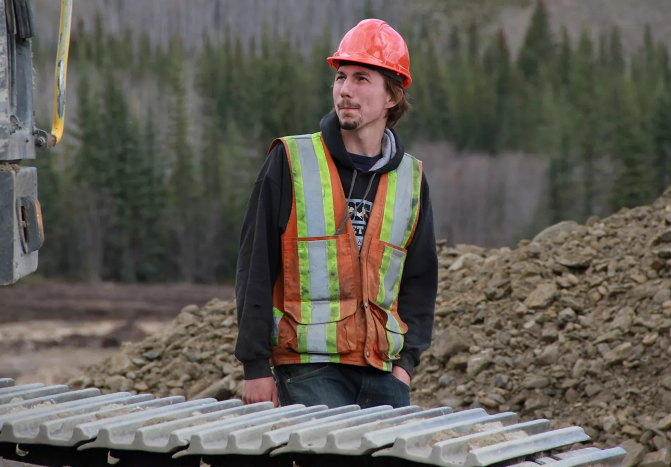
However, the “Schnabel Standard” is non-negotiable. The operation runs under a strict code of conduct:
-
Zero Tolerance: Immediate termination for drug or alcohol use on the job.
-
Mechanical Stewardship: Crew members are held personally accountable for the care of multi-million dollar machinery.
-
Reliability: No excuses for late starts; the wash plants must remain fed to maintain the “Golden Goose” pace.
The Gamble of the Wash Plant
Despite the lucrative potential, the job is a literal and figurative gamble. Bonuses are tied to the “wash,” meaning if the gold isn’t in the ground or a mechanical failure halts production, the anticipated windfall can shrink instantly. The physical toll—including chronic back pain and burnout—is the “tax” every miner pays to the Yukon.
For those who can survive the mud, the cold, and the 84-hour work weeks, the rewards go beyond the bank account. They walk away with a place in the history of the world’s most iconic mining crew and a financial foundation that allows them to spend their winters traveling the globe while the rest of the world is stuck behind a desk.