THE MONEY PIT RECLAIMED: Scientists Pinpoint Original Treasure Shaft with “Gobsmacking” Gold Discovery
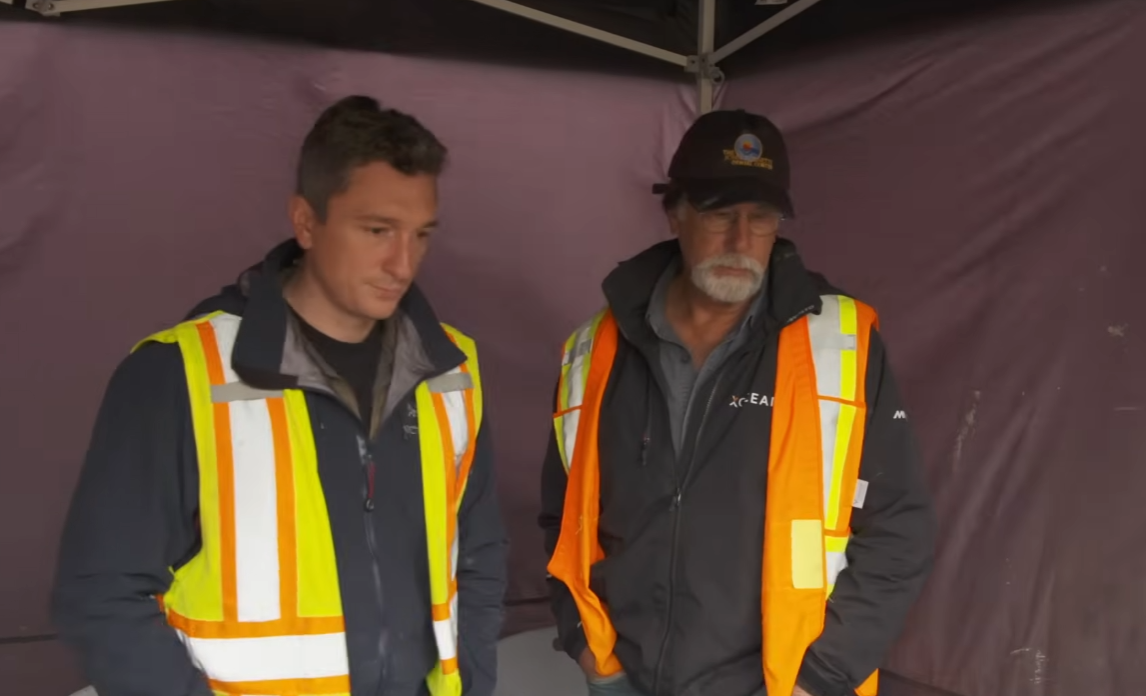
The centuries-old mystery of Oak Island may finally be reaching its climax. In a week defined by “superpower” scientific analysis and heavy-duty excavation, the fellowship led by Rick and Marty Lagina has confirmed the location of two critical historical structures: the elusive Shaft 2 and the 19th-century Shaft 9.
The breakthrough marks a definitive shift from speculation to physical certainty, placing the team within a “20-foot radius” of the original 1795 Money Pit.
Gold in the Wood: A “Superpower” Discovery
The most electrifying news came from the laboratory of archaeometallurgist Emma Culligan. Using X-ray fluorescence (XRF) technology on wood samples extracted from 55 feet deep within the Garden Shaft, Culligan detected high trace evidence of gold.
“I confirmed it… there’s definite gold,” Culligan told the stunned team. The analysis revealed a gold concentration of 0.11% adhered to the organic material. In the world of treasure hunting, these are massive numbers.
Marty Lagina described the revelation as “gobsmacking,” noting that the wood appears to have acted like a sponge, soaking up gold-enriched water from a nearby source. “This is where the treasure hunt actually begins,” Marty stated. “We could be close to the actual treasure.”
Dendrochronology Validates Shaft 2
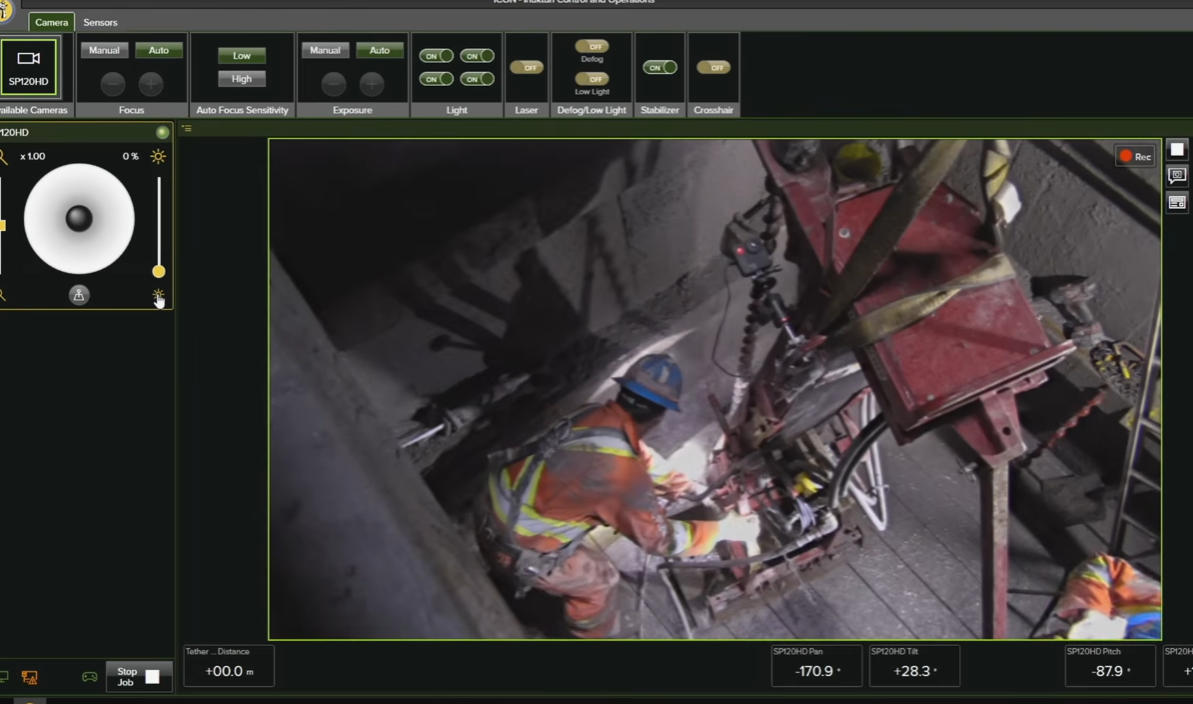
While the Garden Shaft provided the “glitter,” a borehole in the Money Pit area provided the “map.” After unearthing substantial wooden planks at a depth of roughly 100 feet, the team utilized dendrochronology (tree-ring dating) to identify the structure.
The data returned a cutting date of 1796. This year is a near-perfect match for historical records, which state that Shaft 2—the first major searcher shaft intended to bypass the booby-trapped Money Pit—was constructed in 1805 using timber felled years prior.
“This eliminates that shaft from being anything but Shaft 2,” Marty Lagina concluded. By locating this known point, the team can now use historical accounts to “arc out” the exact location of the original Money Pit, which sits a mere 14 feet away.
Unearthing the 1863 Sluiceway
The success continued on the island’s southern shore, where veteran treasure hunter Dan Henskee led the team to a long-lost searcher structure. Digging through puddled clay—a material used by early miners to waterproof their workings—the team uncovered a well-preserved wooden sluice.
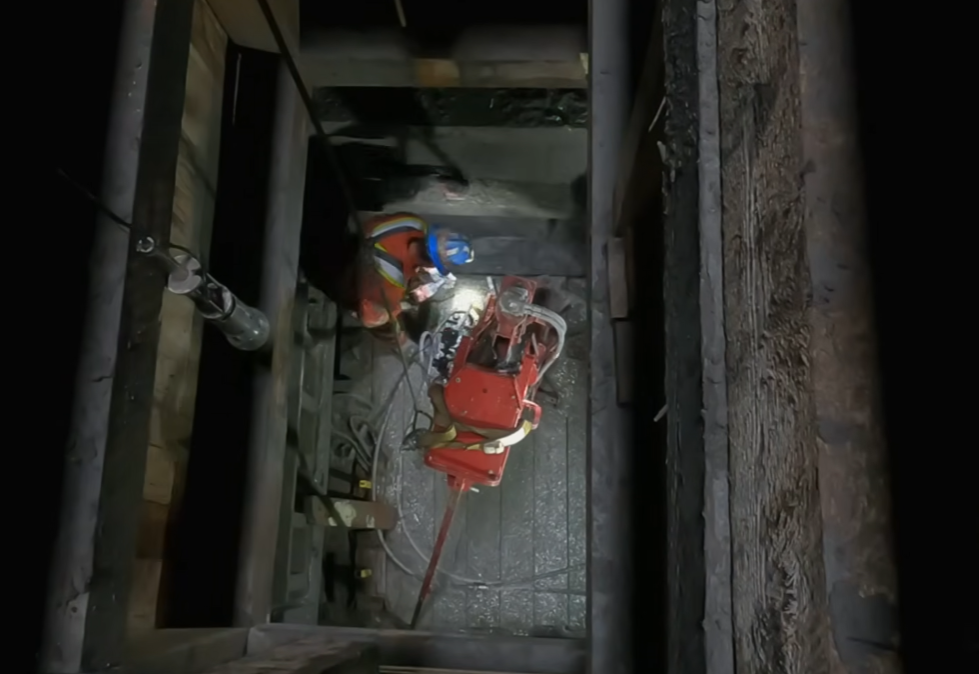
Following the tunnel backwards, the excavators struck the corners of Shaft 9. The structure’s dimensions, measuring exactly 6 by 12 feet, match 1850s-era engineering accounts. “It’s an ‘aha’ moment,” said Rick Lagina. “We’re staring at a shaft done over a century and a half ago that is still working.”
The Final Radius
With Shaft 2 and Shaft 9 now pinned on the team’s 3D model, the “X” on the map has never been smaller. The fellowship believes the original Money Pit—and whatever vault it may contain—is no longer lost, but merely waiting for the next drill bit to strike home.
As the team prepares to chase the newly discovered tunnels into “virgin ground,” the air of optimism on the island is palpable. For the first time in 230 years, the searchers aren’t just looking for the treasure; they are standing on top of it.