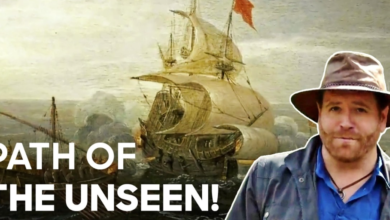
Unlocking the Secrets of Teotihuacan: Josh Gates Enters the Forbidden Vault of the Feathered Serpent
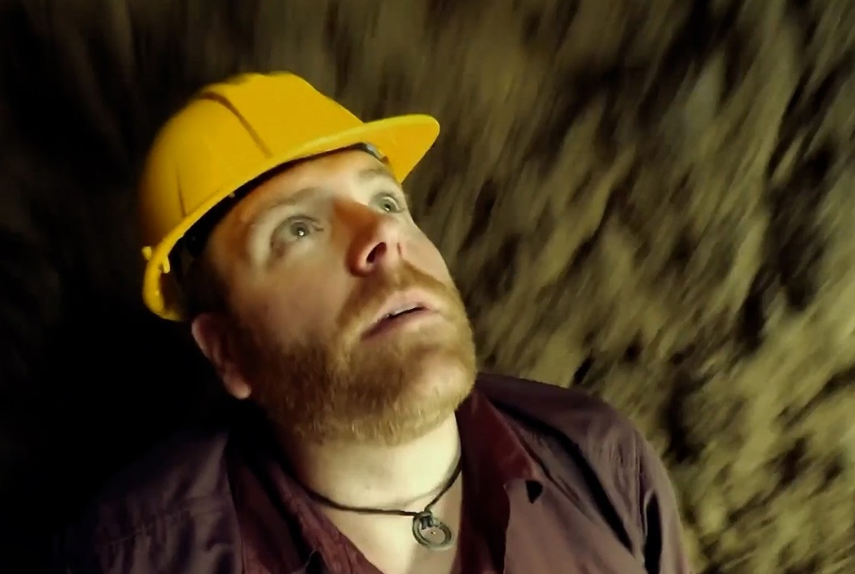
In the heart of Mexico, the ancient city of Teotihuacan remains one of the world’s most profound archaeological enigmas. Known as the “City of the Gods,” its massive pyramids and structured avenues suggest a civilization of immense power and sophistication, yet its origins and the fate of its people remain shrouded in mystery. In a gripping episode of Expedition Unknown, explorer and host Josh Gates takes viewers on an unprecedented journey into the depths of this site, entering a “forbidden” vault that has been sealed for nearly two thousand years.
The focus of the expedition is the Temple of the Feathered Serpent (Quetzalcoatl). Unlike the more famous Pyramids of the Sun and Moon, this structure is renowned for its intricate carvings of fanged serpents. However, the true treasure lies not on its surface, but nearly 60 feet underground. Following the accidental discovery of a sinkhole in 2003, archaeologists unearthed a 330-foot-long tunnel that had been intentionally backfilled and sealed by the ancient Teotihuacanos around 200 AD.
Josh Gates joins lead archaeologist Sergio Gómez Chávez to explore this subterranean marvel. The descent is not for the faint of heart. Navigating through narrow, damp passages, Gates witnesses the extraordinary lengths to which the ancients went to recreate a celestial or underworld landscape. One of the most stunning features described is the tunnel’s ceiling, which was once dusted with pyrite (fool’s gold) and hematite. When illuminated by torchlight, it would have glittered like a star-filled galaxy, symbolizing the cosmos within the earth.
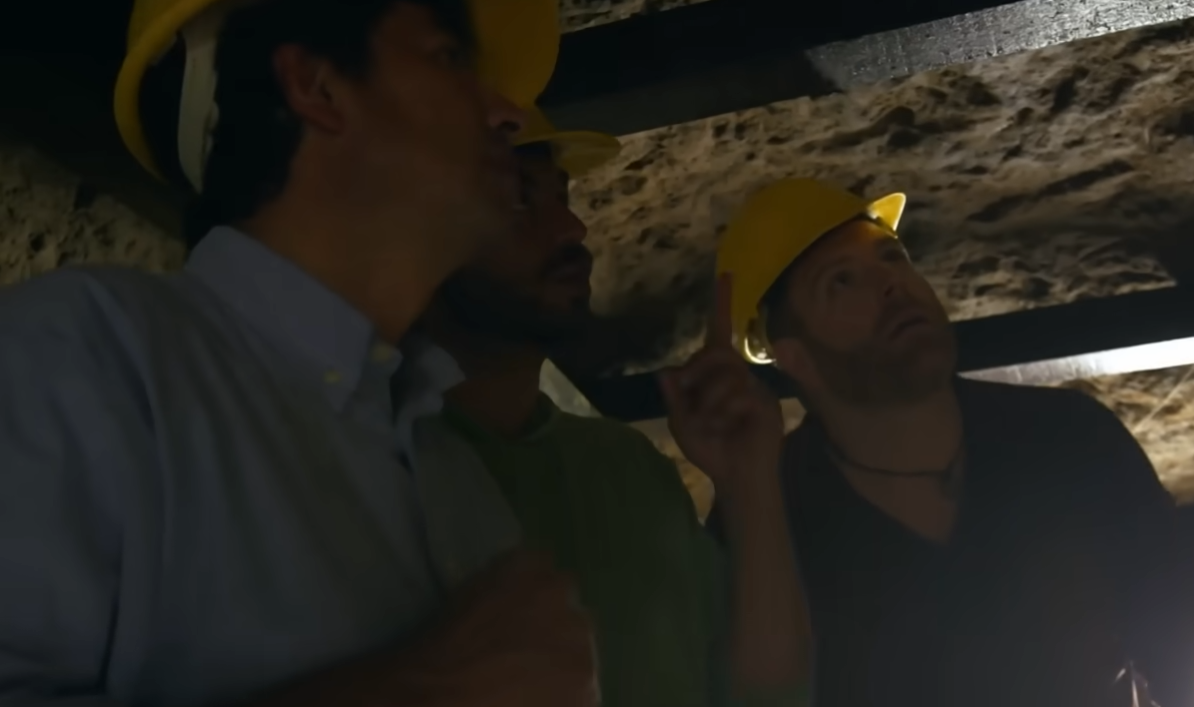
The highlight of the journey is the entrance into the final chambers—the “Forbidden Vaults.” Using cutting-edge technology, including a custom-built remote-controlled rover named Tlaloc II-TC, the team managed to peer into rooms that no human had stepped into for eighteen centuries. These vaults were found to contain thousands of high-value offerings: jade statues, obsidian blades, fine ceramics, and even mysterious sulfur-covered spheres.
As Gates crawls through the final stretch of the tunnel, the atmosphere is thick with history. He observes the meticulous work of the archaeological team as they brush away centuries of silt to reveal ritualistic objects left exactly where they were placed two millennia ago. Among the most haunting finds are small sculptures representing the city’s founders or deities, standing as silent guardians of the tunnel’s secrets.
What makes this discovery so significant is what it suggests about Teotihuacan’s social structure. Sergio Gómez explains to Gates that the tunnel likely served as a ritual space for the city’s elite, perhaps even as a site for the investiture of rulers. The presence of mercury—representing liquid water or the “primordial sea”—at the end of the tunnel further emphasizes its role as a portal to the underworld.
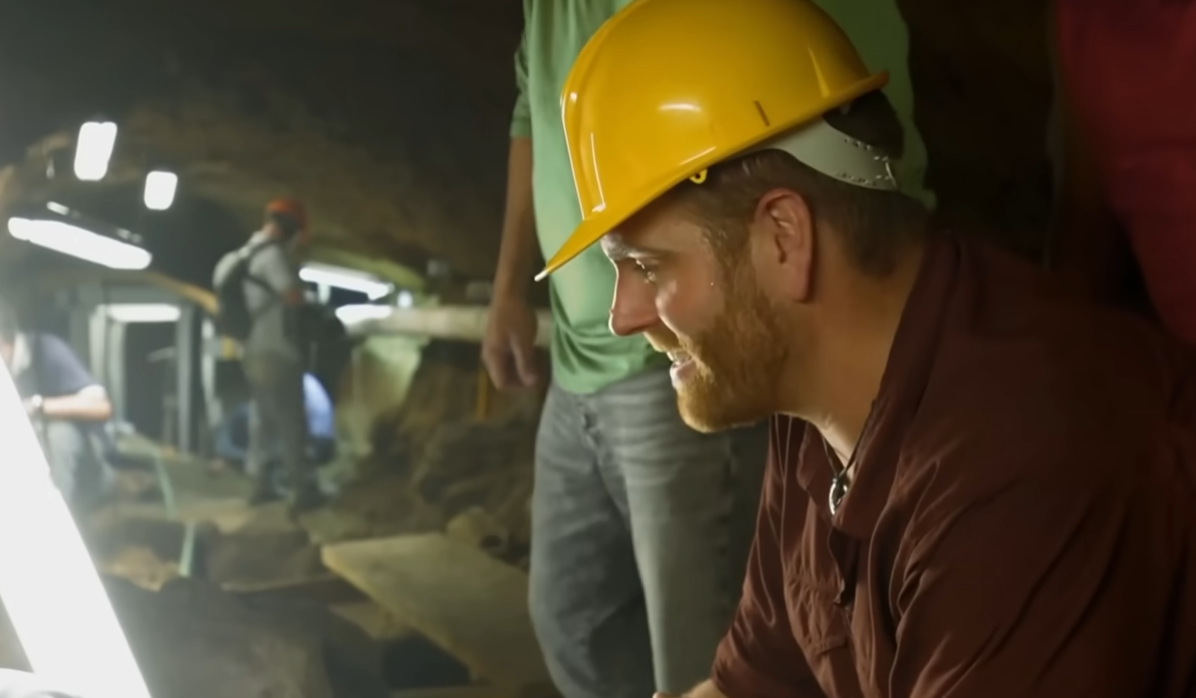
Josh Gates’ expedition is more than just a thrill-seek; it is a vital contribution to our understanding of Mesoamerican history. By entering the forbidden vault, Gates provides a bridge between the modern world and a lost era. As he stands in the dark, surrounded by the echoes of a forgotten ritual, viewers are reminded that despite our technological advancements, the ancient world still holds secrets that can leave us in utter awe.
The work at Teotihuacan is far from over. Each artifact recovered from the tunnel is a piece of a puzzle that archaeologists are still trying to solve. For now, the Vault of the Feathered Serpent remains a testament to the human spirit’s enduring quest for the divine, buried deep beneath the Mexican soil.