The Eternal Enigma: Uncovering the Unsolved Mysteries of the Titanic
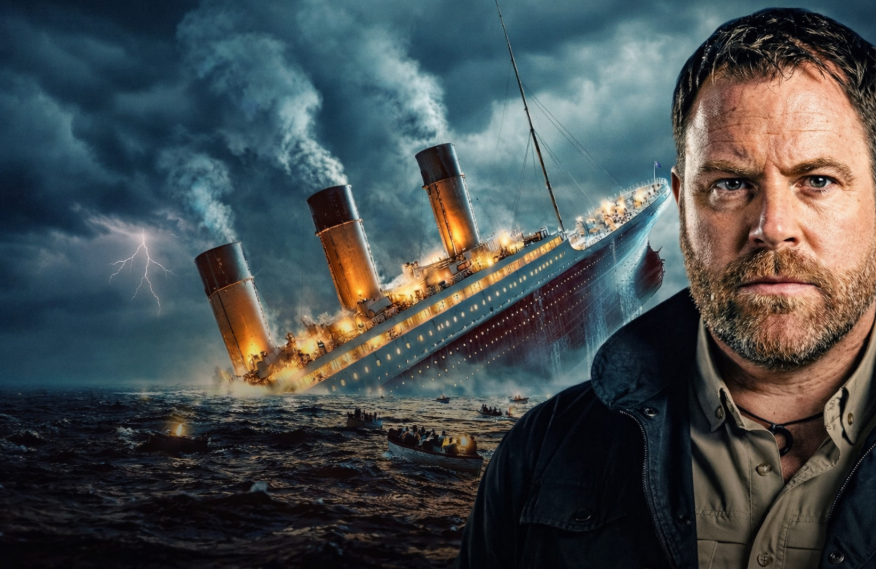
More than a century after its tragic demise, the RMS Titanic continues to haunt the collective imagination. While the broad strokes of its sinking are well-known, new investigations into the “Expedition Files” reveal that the world’s most famous shipwreck still holds secrets that defy simple explanation.
The “Unsinkable” Illusion
In April 1912, the Titanic was a marvel of Edwardian engineering. Advertised as “unsinkable” by the White Star Line, it represented the pinnacle of luxury and technological progress. However, as Discovery’s Expedition Files explores, this very confidence may have been the ship’s undoing. The documentary re-examines the fatal night of April 14, focusing on the critical lapses in communication and the sheer geological bad luck that led to the catastrophe.
One of the most persistent mysteries involves the missing binoculars in the crow’s nest. It is a chilling detail: the lookouts, Frederick Fleet and Reginald Lee, were forced to rely on their naked eyes because the key to the binocular locker was held by an officer who had been transferred off the ship at the last minute. The Expedition Files highlights how this tiny, missing piece of metal might have changed history, as even a few extra seconds of warning could have allowed the ship to clear the iceberg.
The Mystery of the “Ghost Ship”
Perhaps the most frustrating enigma discussed is the presence of the SS Californian. This vessel was reportedly less than 20 miles away from the Titanic as it foundered. Survivors spoke of seeing the lights of another ship on the horizon, yet the Californian never came to their aid.
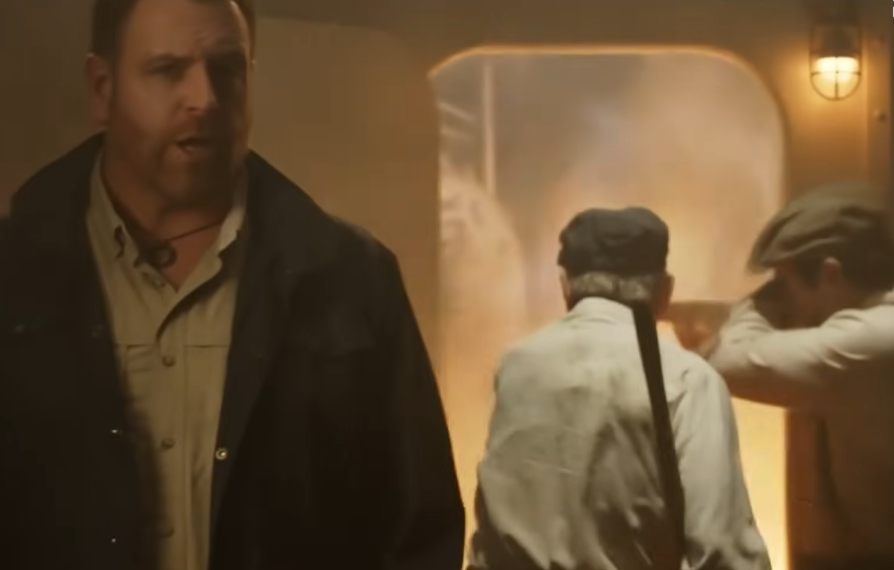
Modern researchers in the video delve into the theory of light refraction. A phenomenon known as “cold miraging” or thermal inversion may have distorted the appearance of the Titanic to the Californian’s crew, making the giant liner look like a much smaller, different vessel. This atmospheric trickery potentially caused Captain Lord of the Californian to dismiss the Titanic’s distress rockets as mere “company signals” or celebration fireworks.
New Science on the Fatal Blow
For decades, it was believed that the iceberg tore a massive 300-foot gash in the Titanic’s hull. However, the Expedition Files utilizes modern sonar and forensic imaging to tell a different story. The damage wasn’t a single “tear” but rather a series of thin slits and popped rivets.
Material scientists featured in the episode point to the “brittle fracture” of the steel. Because of the freezing temperatures of the Atlantic and the high sulfur content in the iron rivets, the ship’s hull became brittle. When the iceberg struck, the steel didn’t bend—it shattered. This “Achilles’ heel” of the Titanic’s construction explains why a ship of its size sank so rapidly, taking only two hours and forty minutes to disappear beneath the waves.
A Graveyard of Secrets
As the wreck continues to be consumed by metal-eating bacteria (Halomonas titanicae), time is running out to solve its remaining puzzles. The Expedition Files emphasizes that the Titanic is not just a shipwreck; it is a mass grave and a museum of human error. Each expedition brings back new data, but also new questions: Was there a coal fire in the hull that weakened the steel before the impact? Could better leadership have filled the lifeboats to capacity?
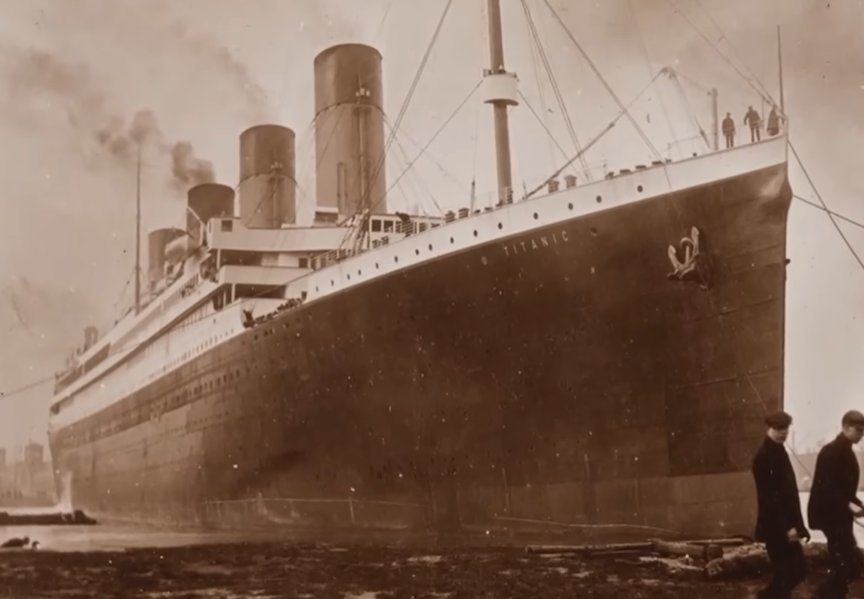
The Titanic remains the ultimate symbol of human hubris. As Discovery Channel’s investigation concludes, we may never know every detail of that night, but the search for truth continues to keep the memory of the 1,500 souls lost alive in the deep.