The Soul of the Soil: Why Jeremy Clarkson Claims Diddly Squat “Is No Longer a Farm” Without Gerald
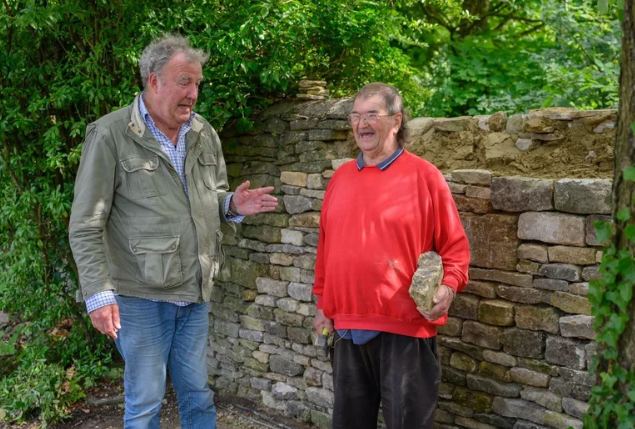
As the world counts down to the high-stakes June 3rd premiere of Clarkson’s Farm Season 5, a heavy atmosphere has replaced the usual boisterous banter at Diddly Squat. Amidst the chaos of opening his new pub, The Farmer’s Dog, and navigating the brutal 2026 “Tractor Tax,” Jeremy Clarkson has made a startling, emotional admission: “Without Gerald, Diddly Squat is no longer a farm.”
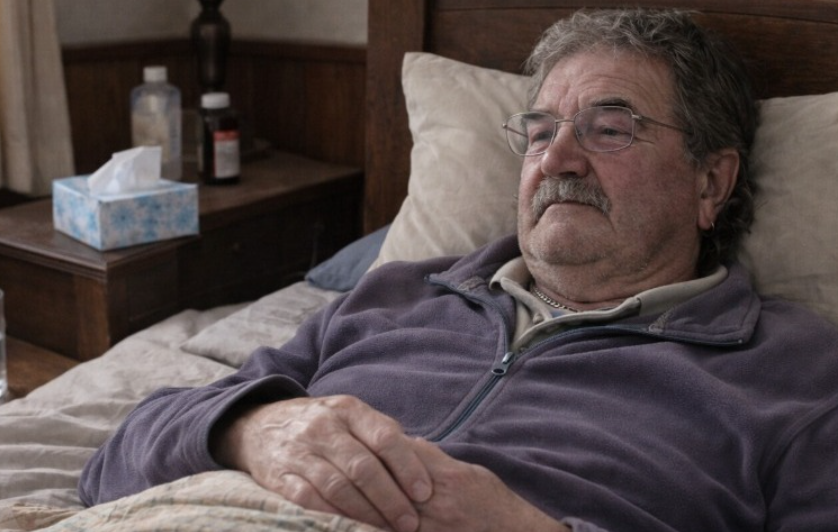
This isn’t just Jeremy’s trademark hyperbole. It is a profound acknowledgment of the man who, for over half a century, has been the literal and metaphorical “glue” holding the Cotswold landscape together. With Gerald Cooper currently confined to his home for intensive treatment following a recurrence of cancer, the true cost of his absence is being felt in every furrow and stone wall of the estate.
The Guardian of the “Old Ways”
To the casual viewer, Gerald is the “legend” with the incomprehensible accent and the dry-stone walling expertise. But to Jeremy, Gerald represents a vanishing era of agricultural wisdom that cannot be replaced by GPS-guided tractors or high-tech drones managed by Harriet Cowan.
Gerald doesn’t just “fix” things; he understands the language of the land. He knows which corner of a field floods when the wind blows from the east and which stones will hold a wall for another hundred years.
“I can hire a thousand contractors,” Jeremy remarked in a recent behind-the-scenes interview. “I can buy the most expensive machinery in the world. But I can’t buy sixty years of knowing every inch of this dirt. Without Gerald walking the boundaries, we’re just people playing with big toys in the mud. He is the institutional memory of this place.”
The Heartbeat of the “A-Team”
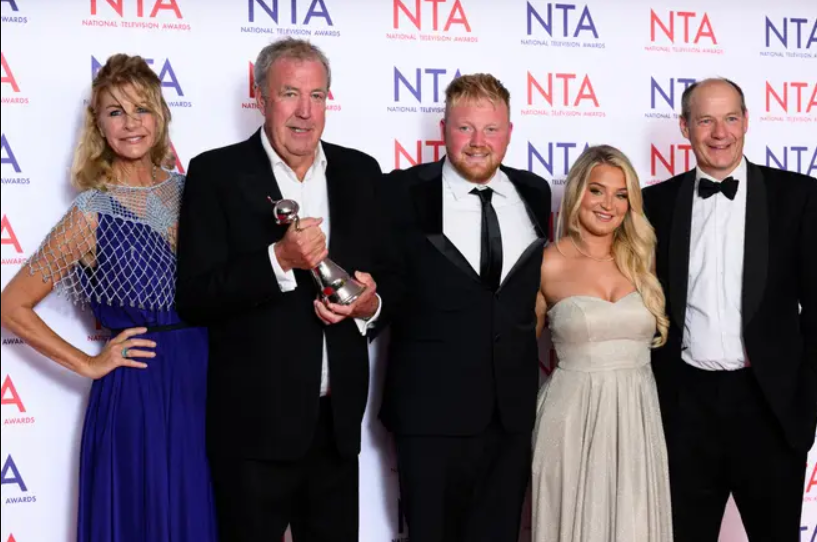
The chemistry of Diddly Squat relies on a delicate balance. While Kaleb Cooper provides the youthful energy and Harriet provides the technical precision, Gerald has always provided the perspective. His presence served as a grounding force for Jeremy’s often erratic ambitions.
With Gerald currently battling his illness at home, the farm has lost its “North Star.” Jeremy has admitted that the silence in the workshops and the unfinished walls are a constant reminder of what is missing. The “farm” has become a “business”—a distinction that Jeremy finds increasingly painful.
A Season of Vulnerability
In Season 5, fans will see a version of Jeremy they’ve never encountered: a man truly humbled by the fragility of life. Facing his own reoccurring heart condition and the looming shadow of the 2026 inheritance tax, Jeremy’s reliance on Gerald has shifted from professional to deeply personal.
The statement that the farm “isn’t a farm” without Gerald is a tribute to the human element of agriculture. It’s a rejection of the idea that farming is just about yields and profit margins. For Jeremy, Gerald is the soul of the soil—the man who makes the 1,000 acres feel like a living, breathing heritage rather than just a plot of real estate.
Conclusion: The Legacy of a Legend
When the clock strikes midnight on June 3rd, viewers will witness the most emotional season of Clarkson’s Farm yet. While there will be laughs and tractor mishaps, the underlying theme is one of profound respect for the “Old Guard.”
Jeremy’s assertion serves as a wake-up call to an industry obsessed with automation. He is telling the world that a farm is not made of steel and diesel; it is made of the people who have bled, sweated, and laughed upon it for decades. Gerald Cooper may be fighting his battle away from the cameras for now, but his shadow looms large over every episode. As we prepare for the premiere, we realize that Jeremy was right: Diddly Squat might still have the name, but without Gerald, it’s waiting for its heart to return. The journey begins June 3rd.