Jeremy Clarkson’s Diddly Squat Farm expects around 10,000 visitors on its first day back open.
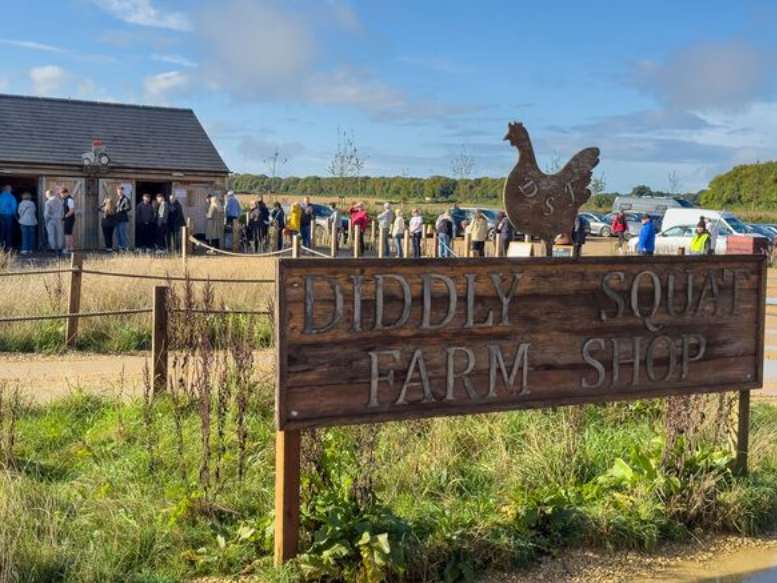
Jeremy Clarkson’s Diddly Squat Farm has become a household name, not just for its entertaining struggles in farming but for its ability to turn the most unexpected challenges into a compelling narrative. The popular Clarkson’s Farm TV show has played a massive role in turning this modest farm into a destination for tourists from all over the UK, and beyond. Now, with the farm set to open its doors once again, estimates predict up to 10,000 visitors will show up on the very first day. While this influx of visitors may seem exciting, it also raises some serious questions. Will Clarkson’s farm be able to handle this much traffic? And, most importantly, how will the influx of visitors affect the farm and the long-term sustainability of the business? In this article, we’ll take a closer look at the potential challenges and opportunities that come with such an event and make some predictions on what may happen when Diddly Squat reopens.
The Appeal of Clarkson’s Farm: From Reality TV to Real-Life Attraction
The Diddly Squat Farm’s rise to fame is intrinsically linked to the success of Clarkson’s Farm, a series that has captured the hearts of viewers with its unique blend of humor, real-life farming challenges, and Clarkson’s signature wit. The show has made farming, an often overlooked but essential part of life, entertaining and relatable for a wide audience. Clarkson’s attempt to turn his sprawling Cotswold farm into a functioning business, while facing regulatory hurdles, equipment failures, and his own lack of experience, has made for compelling television.
The combination of Clarkson’s celebrity status, his humorous approach to farming, and the show’s genuine exploration of agricultural challenges has piqued interest in Diddly Squat Farm as a tourist destination. Fans of the show and curious visitors alike are eager to get a firsthand look at the farm, walk the same fields Clarkson struggles with, and sample food at his pub, The Farmer’s Dog, which has also become a focal point for fans visiting the area.
Given this growing popularity, it is no surprise that projections suggest up to 10,000 visitors on the farm’s reopening day. Clarkson’s own comments about the massive crowds he’s expecting reveal his awareness of the farm’s newfound importance as a public attraction. But while this spike in interest is undoubtedly good for business, it also signals potential growing pains that may impact the farm’s operations.
The Challenges of Managing 10,000 Visitors: Can the Farm Handle the Influx?
Managing 10,000 visitors in a single day on a working farm presents logistical challenges that go far beyond simply welcoming fans. While the farm has enjoyed success in the past by offering farm tours and food products, this scale of foot traffic is unprecedented. The team at Diddly Squat will need to ensure the farm infrastructure can accommodate such a large crowd. This includes managing parking, creating safe walkways, ensuring a smooth flow of visitors, and preparing for emergency situations.
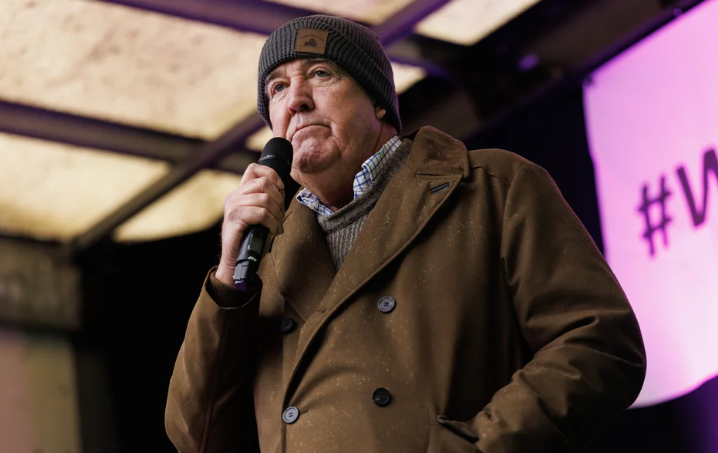
One of the biggest concerns that Clarkson himself has expressed is the potential for overcrowding. Diddly Squat Farm, despite its popularity, is still a relatively small site in comparison to large tourist destinations. The layout and the facilities may not be built to support 10,000 visitors in a single day. The risk of overcrowding not only affects visitor safety but can also disrupt the daily operations of the farm, especially when visitors are in close proximity to farm animals and equipment.
Additionally, with an influx of visitors comes the challenge of maintaining a positive customer experience. The farm’s charm lies in its authenticity and its down-to-earth, unpretentious atmosphere. As it transitions into a full-fledged tourist attraction, there’s the potential for the atmosphere to change. Clarkson may face the challenge of balancing the genuine experience that his fans crave with the pressures of running a business on a massive scale. Will the farm maintain its unique character, or will it lose some of its personal touch as it becomes a more commercial operation?
Opportunities for Expansion: Turning Diddly Squat into a Year-Round Destination
While the logistical challenges may seem daunting, the reopening of Diddly Squat Farm also presents substantial opportunities. A strong opening day performance could serve as a springboard for future growth, potentially attracting even more visitors in the following months. If Clarkson and his team can navigate the initial crowds successfully, the farm could evolve into a sustainable business model that thrives throughout the year, capitalizing on both local and international tourism.
Clarkson has already diversified his offerings at the farm. The Farmer’s Dog, his farm-themed pub, has become a hotspot for fans eager to sample locally sourced food, including products made from the very farm produce that Clarkson himself grows. Expanding the farm’s attractions could include adding more permanent structures for tourists, expanding the menu at the pub, or even creating additional farm tours that highlight different aspects of farming and local history. The addition of a gift shop or branded merchandise could provide another revenue stream for the farm.
Another opportunity lies in the farm’s educational potential. Clarkson’s hands-on, trial-and-error approach to farming has fascinated viewers, many of whom would love to learn more about the challenges and rewards of farming in the modern age. Hosting workshops, demonstrations, or even a farming internship program could transform the farm into an educational hub, offering immersive experiences that appeal to people of all ages.
The Future of Clarkson’s Farm: Will It Stay a TV Attraction or Become a Full-Blown Business?
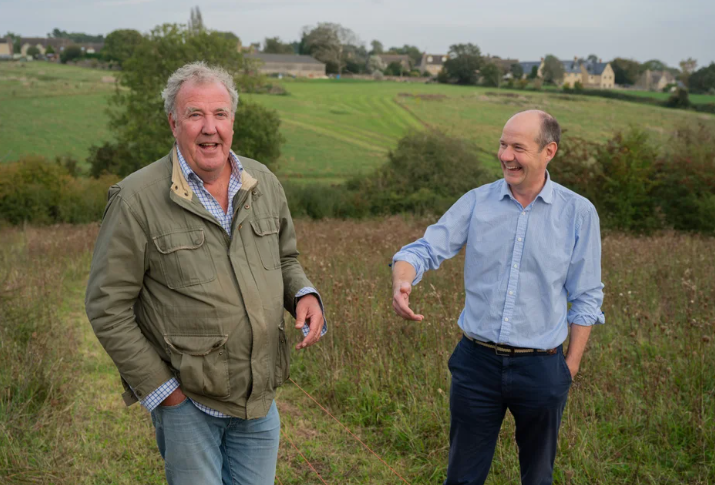
While Clarkson’s Farm has undoubtedly become a hit on TV, the transition from a TV attraction to a fully functioning business is a significant step. If Diddly Squat Farm can successfully handle the influx of visitors, it could solidify its place as a long-term business venture. The farm’s success as a tourist destination could lead to increased visibility for Clarkson’s brand, offering opportunities to expand his presence in the agricultural industry.
However, this shift comes with its own risks. Clarkson’s farming journey has been defined by failure, learning, and unexpected success. The question remains whether he can replicate this formula on a larger scale, especially when the commercial side of the business requires a different set of skills. Managing a large-scale attraction involves navigating complex logistics, maintaining customer satisfaction, and keeping up with regulatory demands—areas where Clarkson has little to no experience. How he adapts to these challenges will determine whether Diddly Squat Farm can thrive beyond the small-scale success of Clarkson’s Farm.
Conclusion: Clarkson’s Farm Faces a Crucial Test as It Reopens to Thousands
As Diddly Squat Farm reopens and braces for 10,000 visitors, Jeremy Clarkson is at a crossroads. The success of this opening day—and the ability to manage the crowds effectively—will be a crucial test for the farm’s long-term success as a tourist destination. If Clarkson and his team can find the right balance between authenticity and commercialization, the farm could become a year-round attraction that capitalizes on the growing interest in farming, local food, and unique travel experiences. However, if the pressure becomes too much, the farm could risk losing its charm and authenticity in the face of overwhelming demand. Only time will tell if Clarkson’s farm can navigate these challenges and continue to thrive as both a farm and a business. For now, fans are eager to see what unfolds as Clarkson’s Farm enters this exciting new chapter.