Excavations on Oak Island reveal new clues about a massive treasure tunnel.
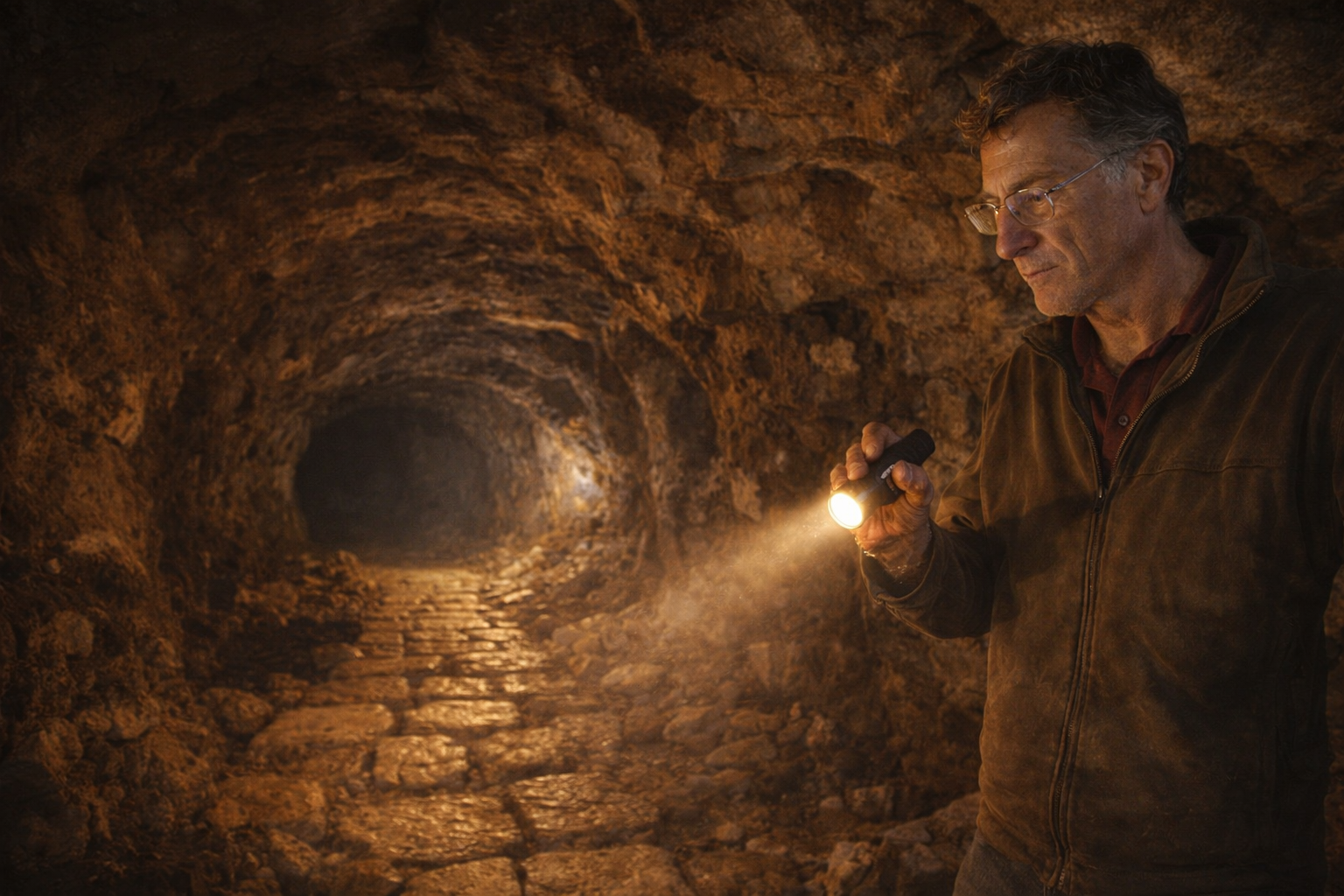
After decades of speculation, the search for Oak Island’s elusive treasure has taken another intriguing turn. In a recent expedition on Lot 21, Rick Lagina and metal detection expert Gary Drayton, alongside other members of the Oak Island team, have unearthed a remarkable series of artifacts that could shed new light on the legendary Money Pit and its surrounding mysteries. What has the team found, and what could it mean for one of history’s most enduring treasure hunts?
The latest discoveries were made near the historic McGinnis Foundation, a site tied to Daniel McGinnis, one of the original discoverers of the Money Pit in 1795. McGinnis built his home on Oak Island and spent his life farming while continuing to search for treasure. Three years ago, McGinnis’s direct descendants revealed the existence of three treasure chests from the Money Pit, providing modern-day explorers with invaluable context. It is from this historical connection that Rick, Marty Lagina, and the team resumed their investigation, carefully examining the surrounding area without disturbing the foundation itself.
Early into the Lot 21 dig, the team discovered a log containing an object reportedly retrieved by Daniel McGinnis from 30 feet deep in the Money Pit. This find set the stage for a series of discoveries that could provide insight into the methods and motivations of past treasure hunters on the island. The team quickly identified other items, including old screws and traces of metal, indicating the possibility of buried chests. As Gary Drayton noted, “Once you find one or two good things, you often find a lot more in the same area.” The dig site revealed a treasure trove of artifacts that are both rare and historically significant.
Among the standout finds was a jeweled brooch located nearly a mile from the Money Pit, on the western side of Oak Island. The brooch, described as heavy and ornate, has prompted speculation about its origins. Could it be related to a previous discovery on Lot 8, where a semi-precious jewel dating as far back as the 16th century was found? The craftsmanship of the brooch suggests that it predates modern searcher activity, making it an invaluable artifact for understanding the island’s past. Gary Drayton described the moment as a “holy-schmoly” discovery, highlighting the excitement and significance of the find.
Further exploration on Lot 12 revealed decorative hinges from old chests, which could potentially link to the three missing chests once associated with pirate Captain James Anderson. These hinges, along with pottery shards and other materials, suggest that the site may have served as a dump for valuable materials over the centuries. The team’s work demonstrates the methodical approach required for such a complex historical investigation, combining metal detection, archaeological expertise, and careful excavation techniques.
The investigation took a particularly dramatic turn when the team examined Lot 25, near the Samuel Ball property. Here, a man-made stone tunnel was discovered, possibly connected to hidden vaults or secretive storage areas. Underground camera operator Derek Hale helped map the tunnel, which revealed a flat ceiling and a complex structure extending under large rocks. According to Rick and Marty Lagina, the tunnel’s craftsmanship suggests it was deliberately constructed, raising the possibility that Samuel Ball may have used it to conceal treasure or other valuables.
Adding to the mystery, the team uncovered additional artifacts, including chisels and swages estimated to be over 600 years old. These tools may have been used for tunneling, indicating that intricate underground work on Oak Island predates modern searchers by centuries. The proximity of these tools to the newly discovered tunnel raises questions about the connection between past excavations and contemporary finds, suggesting a layered history of treasure-seeking activities.
While the presence of a large stone obstructing the tunnel prevented the team from fully exploring its extent, preliminary assessments indicate the passage continues beneath the obstruction. The disturbed soil observed during initial camera exploration supports the theory that the tunnel may extend further, potentially leading to a significant cache of valuables. Laird Niven, the team’s archaeological consultant, emphasized the importance of cautious excavation to preserve the integrity of both the artifacts and the structure.
The findings at Lot 21, Lot 12, and Lot 25 collectively point to a sophisticated system of storage, transport, and concealment that may explain the enduring allure of Oak Island. Historical records suggest that the Money Pit was designed with intentional complexity, including flood tunnels and man-made barriers to protect its contents. The discovery of hinges, brooches, and the potential underground tunnel supports the idea that treasure was strategically hidden, with multiple layers of protection.
As the Oak Island team prepares for further excavations, the questions abound: Was Samuel Ball hiding wealth in plain sight? Could the tunnels and artifacts uncovered be part of a broader network designed to protect treasure over centuries? And what else remains buried, waiting to be discovered? With each new dig, the Laginas and their team are peeling back layers of history, revealing a story that blends ingenuity, secrecy, and centuries-old ambition.
While definitive answers remain elusive, the latest discoveries represent a breakthrough in understanding the complexities of Oak Island. From the ornate brooches to the man-made tunnel and centuries-old tools, the evidence suggests a carefully orchestrated approach to concealment by past inhabitants. As the team continues its methodical work, fans and historians alike are left to ponder what treasures—and secrets—might yet be revealed beneath the island’s surface.