Oak Island Silver Find Raises New Questions About Lot 5 and the Money Pit Connection
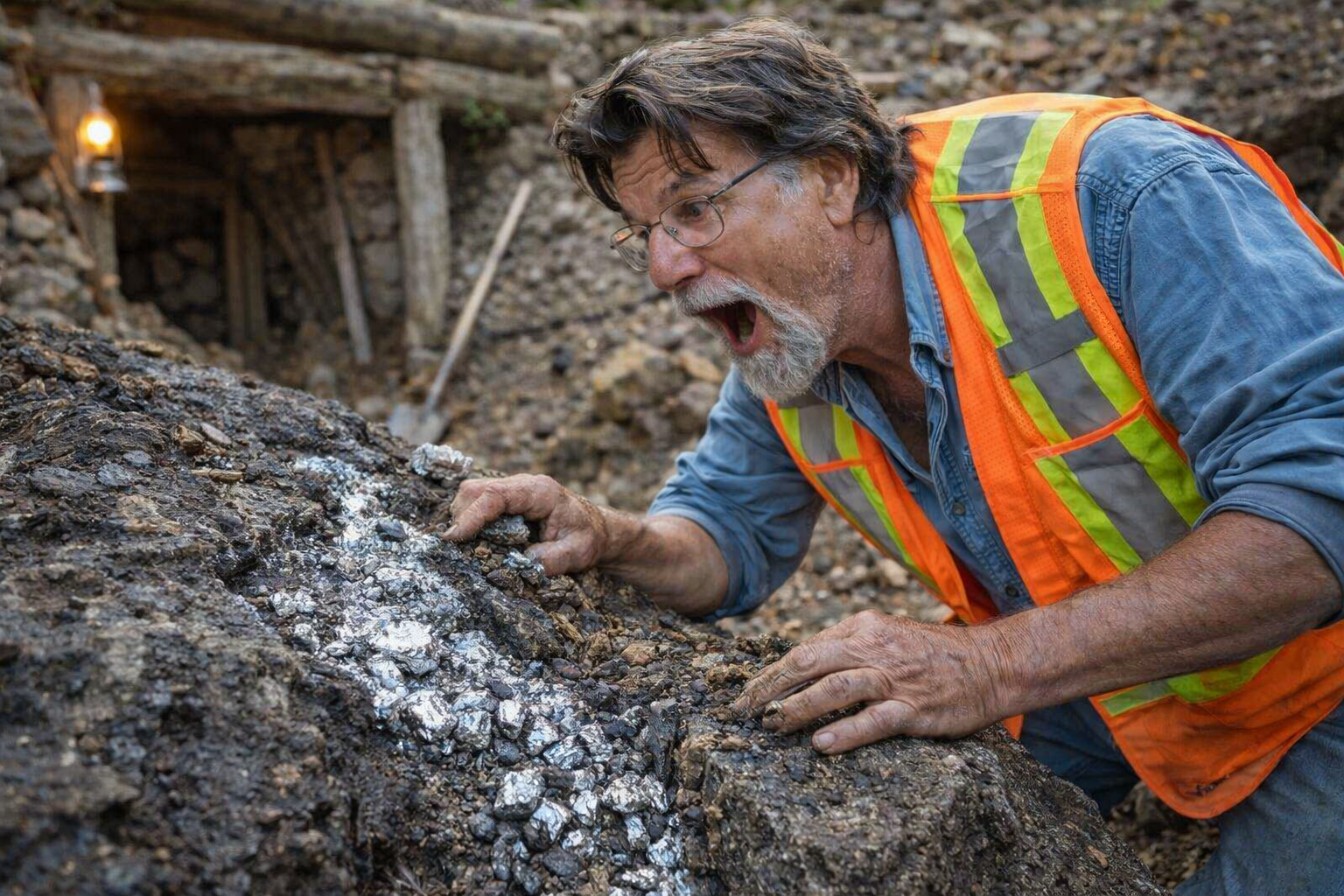
A fresh discovery on Lot 5 has given The Curse of Oak Island team another reason to believe that the shoreline foundation may be far more important than first assumed.
During a new investigation near the coast, archaeologists Jamie Kouba and Fiona Steele uncovered two striking artifacts inside the large stone foundation where the team had previously found a 14th-century lead barter token. The latest finds — a gilded button and what appears to be a silver decorative object — have raised renewed questions about who was active on Lot 5, why they were there, and whether the site may be linked to the wider Money Pit mystery.
The first object found was a large, shiny button. At first glance, Kouba suggested it may have been gold-plated. The loop on the back confirmed that it was a button, but its surface and quality immediately stood out. If it had a military connection, she suggested, it may have belonged to an officer rather than an ordinary soldier.
That possibility quickly caught the attention of the wider team. A gold-plated or gilded button would not normally be expected in an everyday domestic setting. On Oak Island, where every object is examined for its age, origin and possible connection to earlier search activity, such a find can become an important clue.
The second discovery was even more intriguing. While continuing work in the same area, the archaeologists uncovered a decorated metal object that appeared to be part of a silverware handle or another ornamental item. The piece was carefully made, with visible design work along its surface. For a site already connected to unusual materials and possible historic activity, the appearance of a precious metal object added fresh weight to the investigation.
The discoveries were taken to the Oak Island laboratory, where Rick Lagina, Craig Tester and Jack Begley met archaeologist Laird Niven and archaeometallurgist Emma Culligan for scientific analysis. Culligan’s role has become increasingly important in the show, as her testing often helps move the team beyond speculation and toward more grounded conclusions.
Her analysis of the button confirmed that it was made from a copper alloy with around three percent gold on the surface. In other words, it was gilded. Gilding is a decorative technique with ancient roots, used to apply a thin layer of gold to another material.
More importantly, Culligan noted that the button’s composition included phosphorus, which helped point toward its likely age and origin. Based on the metallurgical evidence, she suggested it was most likely an English 18th-century naval or military button. That conclusion immediately strengthened the idea that the object may have belonged to an officer or gentleman connected to maritime or military activity.
For the team, that matters because Oak Island’s mystery has always been shaped by questions of who came to the island before the earliest known searchers. If an English naval or military presence can be connected to Lot 5, the site may have been involved in organised activity rather than casual settlement.
The possible silver object produced another important result. Culligan confirmed that it was indeed silver, with a composition of about 90 percent. Laird Niven noted that in decades of archaeological work, he could not remember finding a piece of silver like it on the island. That alone makes it one of the more compelling artifacts recovered from the area.
The exact function of the object remains uncertain. The team discussed several possibilities, including a decorative tassel end or perhaps part of a knife hilt. Its design suggests it was not merely a plain household fragment. It appears to have been ornamental, valuable and intentionally made with care.
That raises a central question: why was it in the Lot 5 foundation?
The foundation itself has already become a major point of interest. Earlier work revealed a man-made, cement-like material in the feature, a substance that the team believes resembles material found around the mysterious tunnel below the Garden Shaft. That possible connection has encouraged speculation that Lot 5 may have been linked to activity in or around the Money Pit area.
If soil from deeper Money Pit work was used in the foundation, as the team has suggested, the site could have played a role in a larger operation. It may have been a work area, a staging point or a place where materials were handled before being moved elsewhere on the island.
The silver find has also revived discussion of Sir William Phips, the English naval officer and privateer who famously recovered treasure from the Spanish ship Concepción in 1687. Previous theories presented to the team have suggested that some of the recovered treasure may have been brought to Nova Scotia and possibly hidden on Oak Island.
In 2021, researcher and Freemason Scott Clarke told the team he believed Phips worked with Captain Andrew Belcher, a high-ranking figure connected to Nova Scotia, during a later salvage effort. Clarke argued that part of the recovered treasure may have been secreted on the island. While this remains a theory, the discovery of a significant silver artifact on Lot 5 gives the team another reason to revisit that line of inquiry.
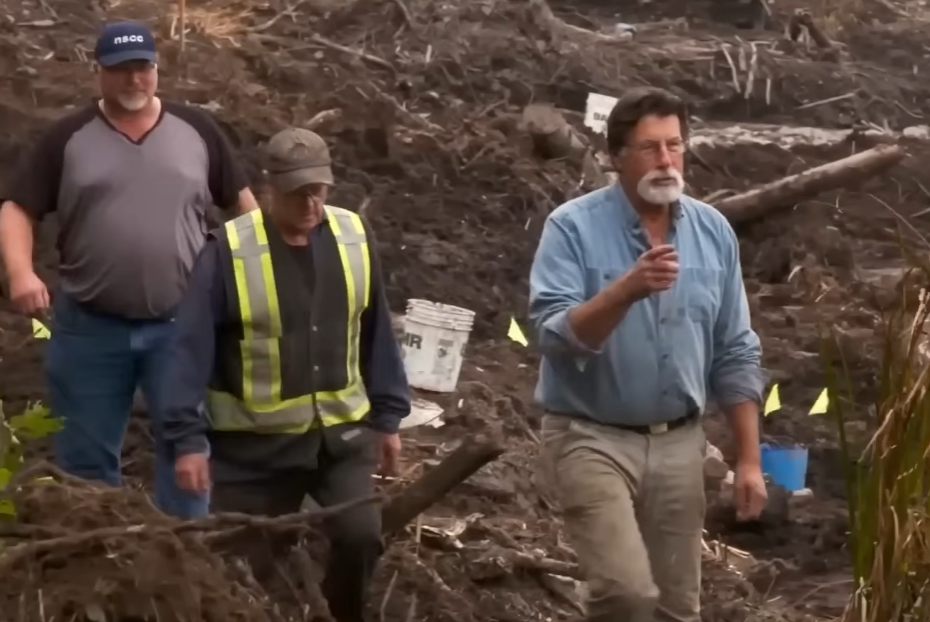
Rick Lagina appeared especially interested in the possibility that the silver could one day be compared metallurgically with known material from the Concepción. If such a match were ever established, it would be a major development. For now, however, the find remains suggestive rather than conclusive.
That is the familiar pattern of The Curse of Oak Island. One artifact rarely answers the whole mystery. Instead, each discovery adds another layer to the story. A button points toward an English naval or military presence. A silver object raises questions about wealth, status and possible treasure links. A cement-like material hints at engineering. A foundation near the shoreline suggests organised activity.
Together, the finds on Lot 5 are becoming harder to dismiss.
The latest discoveries do not prove that treasure was hidden there. But they do suggest that the site was used by people with access to valuable objects, specialised materials and possibly a broader purpose connected to the island’s underground work.
For Rick, Marty and the team, the next step will be to keep digging, keep testing and keep comparing the evidence. The true value of the Lot 5 finds may not lie in any single artifact, but in how they connect to the larger Oak Island map.
If those connections continue to grow, Lot 5 may become one of the most important areas of the entire search.