A new record has been set: The world’s largest gold statue has been found on Oak Island.
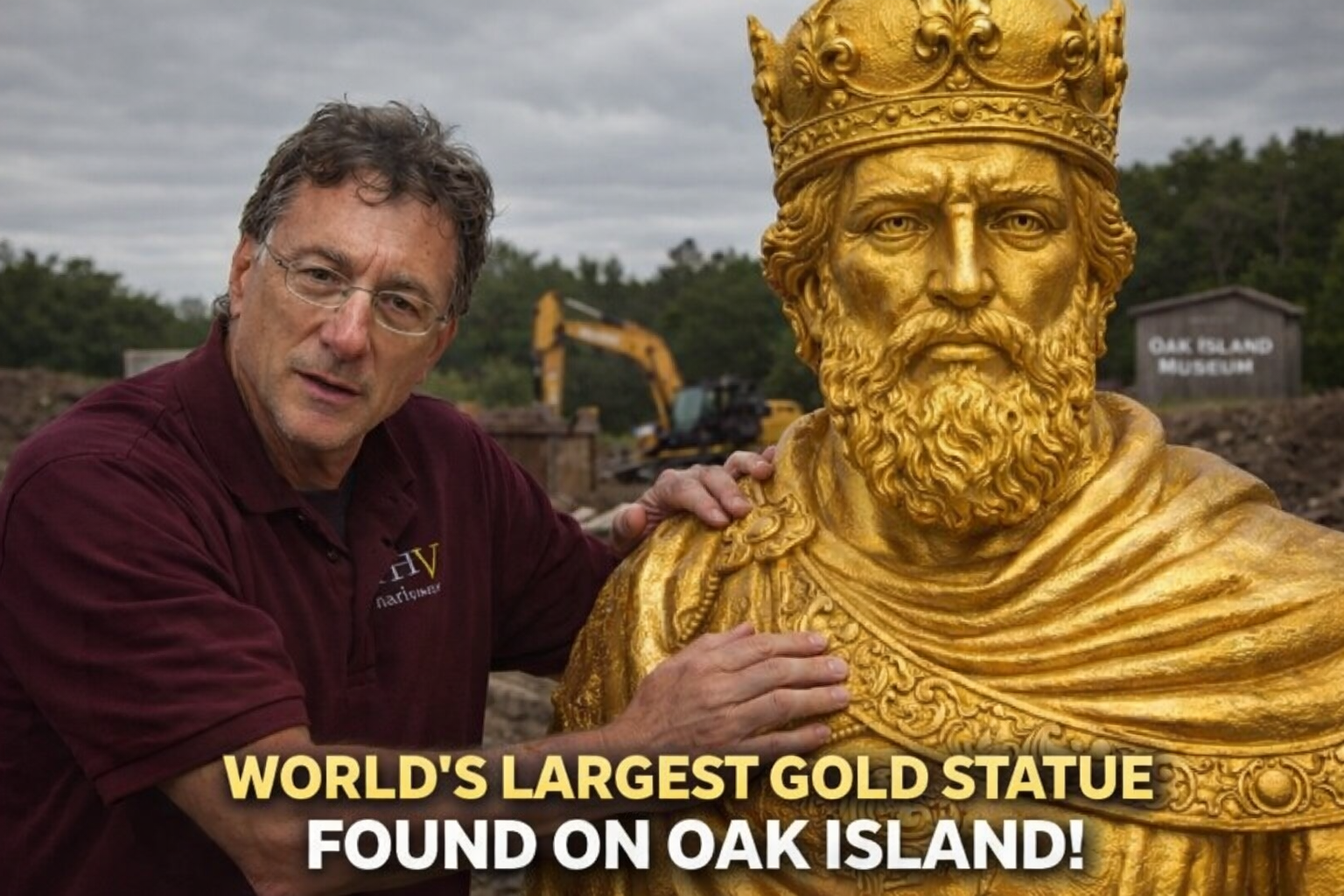
If The Curse of Oak Island ever reached the moment where the team uncovered the largest golden statue in the world, it would not simply be another discovery. It would become a complete reset of the Oak Island story.
For more than a decade, the series has been built on fragments: coins, wood, stone roads, metal objects, parchment-like clues, scientific readings and carefully dated materials. The show’s strength has always been its slow accumulation of evidence. But the idea of a record-setting golden statue being found on Oak Island would move the programme from mystery investigation into global historical territory.
From an analyst’s perspective, this type of discovery would change three things at once: the scale of the treasure theory, the credibility of the island’s engineered structures, and the way the Lagina team would be forced to handle the search going forward.
The first major impact would be narrative. Oak Island has long been associated with theories about buried treasure, religious artifacts, military activity, lost manuscripts and secretive groups. However, most discoveries on the show have remained interpretive. They raise questions, but they rarely provide a final answer.
A massive golden statue would be different. It would be physical, visual and impossible for viewers to ignore. Unlike a small artifact that requires expert explanation, a statue made of gold would immediately communicate value, intention and planning. Someone would have had to transport it, protect it and hide it. That alone would suggest the island was not merely a place of scattered activity, but part of a deliberate concealment operation.
The biggest question would be origin. Who made the statue? Where did it come from? Was it European, Middle Eastern, South American, African or connected to another culture entirely? Its design would become just as important as its material value. If the statue carried religious symbols, royal markings or military insignia, the team would suddenly have a new historical path to follow.
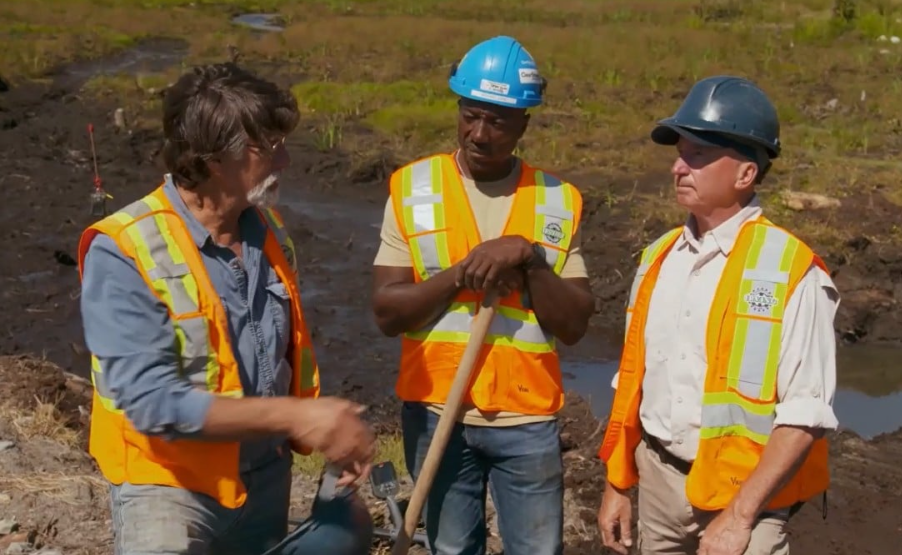
This is where Emma Culligan and the scientific team would become central. Metallurgical analysis would likely be the first step. The composition of the gold could reveal whether it matches known mining regions or historic trade networks. Trace elements might connect it to Spanish colonial sources, European bullion, or older gold-working traditions. If the statue contained alloys, soldering marks or tool patterns, those details could help narrow its date and origin.
The second major question would involve location. A golden statue of record size could not realistically be hidden casually. If it were found beneath Oak Island, it would almost certainly require a chamber, tunnel, vault or reinforced structure. That would immediately connect the find to long-running theories about the Money Pit, the Garden Shaft, the swamp and Lot 5.
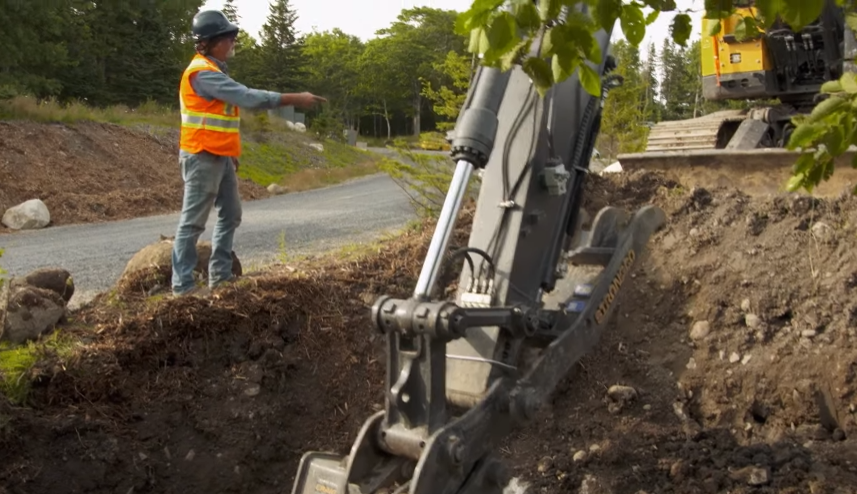
The show would likely frame the discovery as evidence that Oak Island’s underground system was built for something far more valuable than ordinary storage. The team would return to previous clues with renewed urgency. A stone road might become a transport route. Wooden stakes could become survey markers. A sealed shaft could become an access point. The swamp might be reinterpreted as part of a concealment zone rather than a random feature.
The Money Pit would also regain enormous importance. If the statue were found anywhere near that area, Rick Lagina would almost certainly argue that earlier searchers had been close to the truth all along. Marty Lagina, usually more cautious, would likely focus on verification, security and the financial implications of preserving such an object.
One likely development is that the team would pause normal excavation. A discovery of that scale would require conservation experts, government oversight and possibly international review. Oak Island is not only a television location; it is a real archaeological environment. A giant golden statue would raise legal, cultural and historical questions that go far beyond the show itself.
That could create a new kind of tension for the series. Fans want answers quickly, but real artifact handling is slow. The team would need to document the find, protect it from environmental damage and determine ownership or custody. The show might shift from digging scenes to laboratory analysis, expert interviews and debates over provenance.
From a television standpoint, this would be both a gift and a challenge. The visual power of a golden statue would create huge attention, but the series would need to avoid making the story feel too simple. The Curse of Oak Island works because every answer opens another door. A record-setting statue would need to be treated not as the end of the mystery, but as the beginning of a much larger investigation.
The most compelling prediction is that such a find would lead to a divided interpretation among experts. One group might argue that it supports a Spanish treasure theory, especially if the gold composition matches colonial-era material. Another might connect the object to religious orders, especially if the statue includes symbolic carvings or sacred imagery. A third group might suggest it was brought to the island much later by privateers, military figures or wealthy collectors seeking a secret storage site.
Rick would likely lean toward the deeper historical meaning. He has always been driven by the belief that Oak Island contains a story larger than treasure. Marty would likely ask the harder question: what can be proved?
That balance would define the next phase of the show.
If the statue’s origin matched any previous artifacts from Lot 5, the swamp or the Money Pit, the team would gain a powerful new framework. Small clues that once seemed disconnected could suddenly form a pattern. A military button, a silver object, old wood, medieval leather or unusual stonework might all be re-examined through the same central question: were these pieces part of the same operation that brought the statue to Oak Island?
The discovery would also change the stakes for Season 14 and beyond. The show could move from searching for treasure to explaining a treasure already found. That may sound like a conclusion, but in Oak Island terms, it would only deepen the mystery.
Because the real question would no longer be whether something valuable was hidden.
The question would become why the largest golden statue in the world was brought to a small island in Nova Scotia, who had the power to move it, and what else they may have left behind.