Medieval Leather Find Pushes Oak Island Team Toward a New Swamp Investigation

A new discovery in the northern region of the Oak Island swamp has given Rick Lagina and the team fresh reason to believe that the area may hold some of the island’s oldest and most important clues.
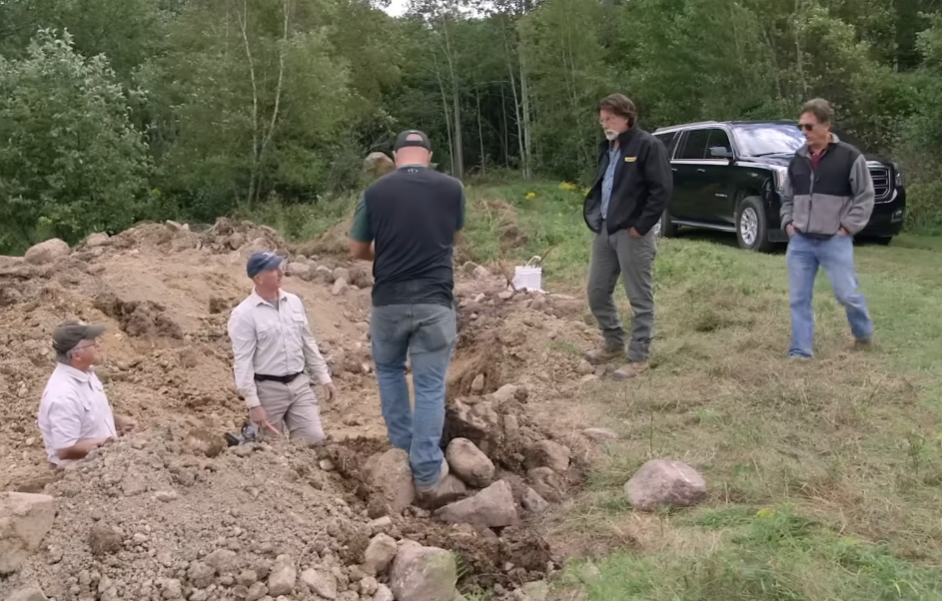
During a search on Tom Nolan’s property, Rick, Craig Tester, Gary Drayton and Tom Nolan returned to a section of the swamp where earlier work had revealed a cobblestone path lined with eight-sided wooden survey stakes. That path had previously led the team toward a mysterious empty vault, located roughly 50 yards to the south.
Although the vault did not contain treasure, its position and construction left the team wondering whether it may have been part of a larger system. The latest work was designed to test whether more structures, artifacts or pathways might still be hidden nearby.
The first major clue came when Rick spotted a piece of leather in the soil. Gary quickly identified it as likely part of an old shoe or boot, possibly a sole. What caught the team’s attention was the pattern of small holes in the material. Rather than stitching, they appeared to be hobnail holes, suggesting an older form of footwear.
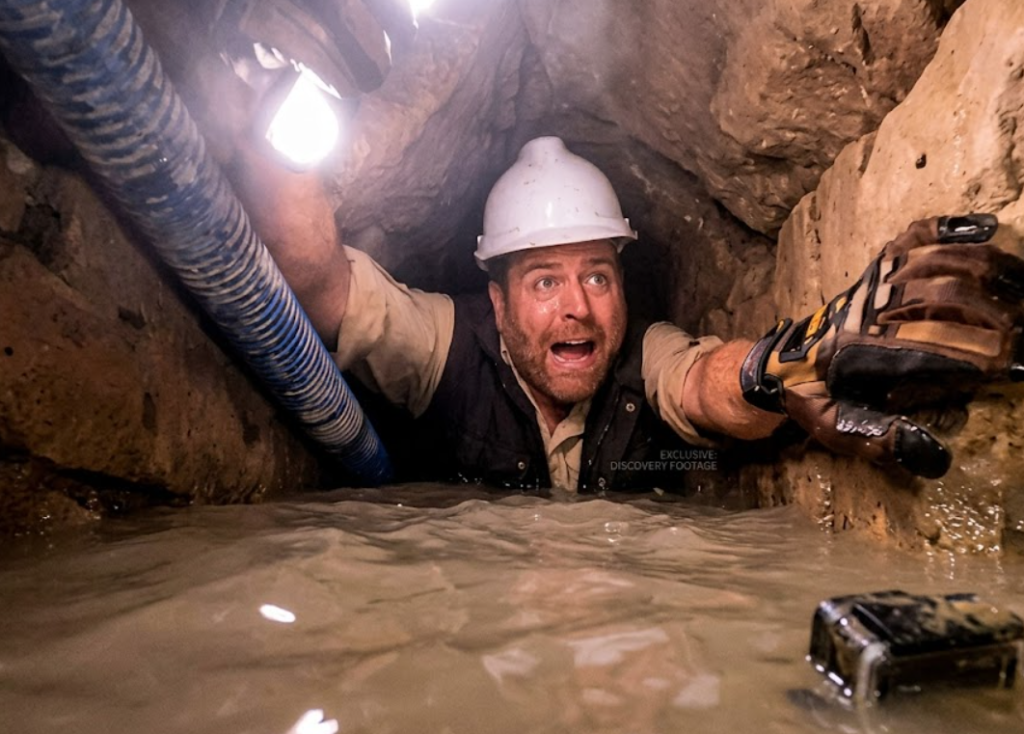
The discovery immediately recalled an earlier leather find made in the swamp in 2023, when Rick and Gary recovered part of a boot near the possible Portuguese stone road in the southeast corner of the bog. That artifact was believed to be of European origin and possibly centuries old.
For the team, the new leather piece could be more than a random loss. If it belonged to someone who worked in the swamp during the original construction of roads, platforms or hidden structures, it might help narrow the timeline of human activity in the area.
Rick appeared especially interested in the potential story behind the leather. The swamp has produced many of the show’s most compelling clues, including paved areas, possible roads and evidence of large-scale construction. A piece of footwear, if properly dated, could link those features to the people who built them.
Later that day, the investigation continued along the projected route of the cobblestone pathway. As the crew removed more material from the bank, Tom Nolan noticed old wooden planks emerging from the ground. The boards were thick, heavy and appeared to be in relatively good condition despite their age.
The presence of a nail in the wood made the find even more interesting. Rick noted that if the nail proved to be square, it could indicate considerable age. The planks also seemed wide enough to have been part of a larger structure, possibly even a chest or container.
That idea immediately raised questions about the empty brick-and-slate vault found the previous year. Could the planks have belonged to an associated structure? Could they have been part of another vault or storage feature nearby? Or were they simply remnants of old work in the swamp?
The team did not yet have answers, but the discovery strengthened the argument that the area had been altered by human hands.
Then came another intriguing find. A metal detector signal led the team to an iron object that did not resemble a simple nail or spike. Its shape prompted speculation that it could be part of an old key. The object was heavily corroded, making visual identification difficult, but its form appeared unusual enough to justify further testing.
Katya, one of the experts present at the site, suggested that a CT scan could help determine how much of the visible shape was original artifact and how much was rust. If the object is confirmed to be a key, it could become one of the most talked-about finds from the swamp. A key, by its nature, suggests a lock, a container or a protected space.
As Gary joked, the next step would be to find the lock that went with it.
The most significant update, however, came later in the War Room, when Rick, Marty Lagina, Craig Tester and other members of the team received a preliminary scientific report on the leather fragments found in the swamp.
The early carbon-14 results pointed to an unusually old date range. The largest probability window placed the leather between 1148 and 1216, with other possible ranges reaching even earlier. The result immediately surprised the team.
Marty connected the date range to the work of Professor Adriano Gaspani, an Italian archaeoastronomy researcher who previously presented a theory about Nolan’s Cross. Gaspani argued that the stone formation’s alignment with certain stars suggested it may have been created in the early 13th century, possibly by people connected to the Knights Templar.
The new leather date range appears to fall close to that proposed period. For Rick, that alignment was difficult to ignore. If the preliminary dating holds up, the swamp may contain material from the same broad era that Gaspani associated with Nolan’s Cross.
That does not prove who created the swamp features, nor does it confirm any single theory about Oak Island. But it does make the area more important. Medieval dating in the swamp would suggest that human activity there could be far older than many conventional explanations allow.
For the Lagina team, the practical conclusion was clear: keep digging.
Marty said the evidence provided another reason to return to the swamp with more machinery, more analysis and a sharper focus. The team now has leather that may be medieval, wooden planks that could indicate a structure, a possible key-like artifact and the projected line of a cobblestone path leading from an earlier vault.
Together, these clues create a new investigative path. The search is no longer only about the Money Pit. The swamp, once considered a confusing side mystery, may be central to understanding who came to Oak Island, what they built and why they chose such difficult ground.
As the team prepares for more work, the latest finds suggest that the northern swamp may still hold major answers. On Oak Island, every artifact adds another piece to a long and complicated puzzle. This time, a piece of old leather may have pointed the team toward one of its oldest chapters yet.