Rick Lagina’s team discovered a seemingly simple manhole cover, but hidden inside was a huge treasure.
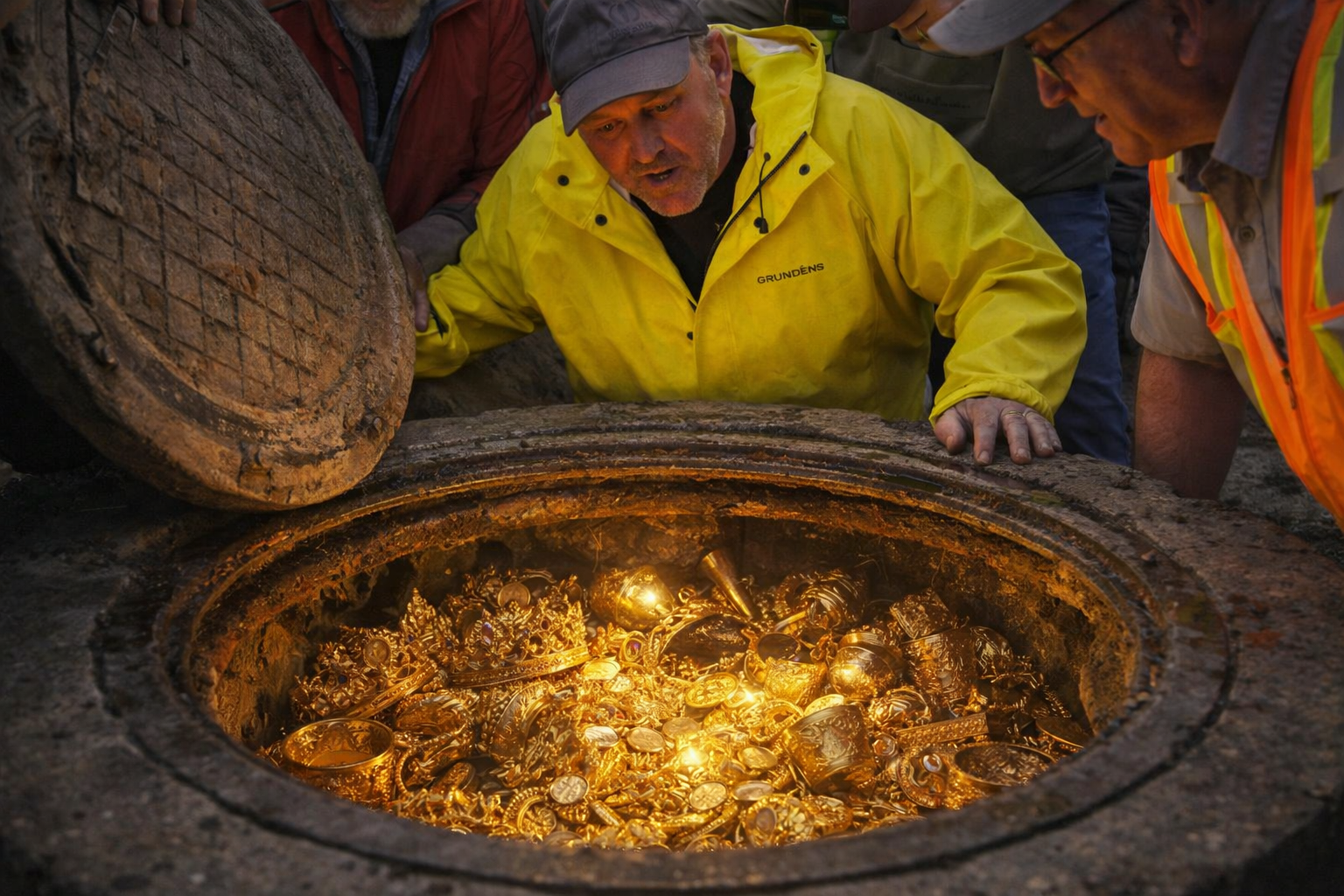
In a development that could mark one of the most significant breakthroughs in the history of Oak Island exploration, Rick Lagina and his team have uncovered a seemingly ordinary drain cover that concealed a vast treasure beneath it. While casual observers might have dismissed the metal lid as nothing more than standard infrastructure, the investigative efforts of the Lagina team revealed a complex, purpose-built chamber below—filled with artifacts, coins, and possibly precious metals whose value and historical significance could reshape decades of speculation about the island.
The discovery of the drain cover chamber is noteworthy not only for the treasure it contains but also for what it implies about the ingenuity and engineering skills of those who built Oak Island’s underground network. Analysts and historians have long debated whether the island’s subterranean features were constructed by pirates, European explorers, or other early settlers with knowledge of sophisticated engineering. The structural precision of the chamber, combined with its hidden location beneath an innocuous cover, supports the theory that Oak Island’s creators went to extraordinary lengths to protect their haul. For the Lagina team, this find is validation of the painstaking research, metal detection, and geophysical scanning that has defined their methodical approach.
From an analytical standpoint, the implications of the find extend far beyond the immediate treasure. The design of the chamber suggests a broader, interconnected network of tunnels and vaults beneath the island. Observers can infer that if a relatively small, concealed access point contains significant treasure, larger or more elaborate chambers could exist nearby. This discovery may also offer new clues regarding the chronology of the island’s constructions, as certain artifacts within the chamber could be dated using carbon-14 testing, metallurgical analysis, and provenance studies. By examining these materials, researchers might finally be able to correlate Oak Island’s structural features with specific historical periods or known expeditions, potentially solving one of the island’s most enduring mysteries.
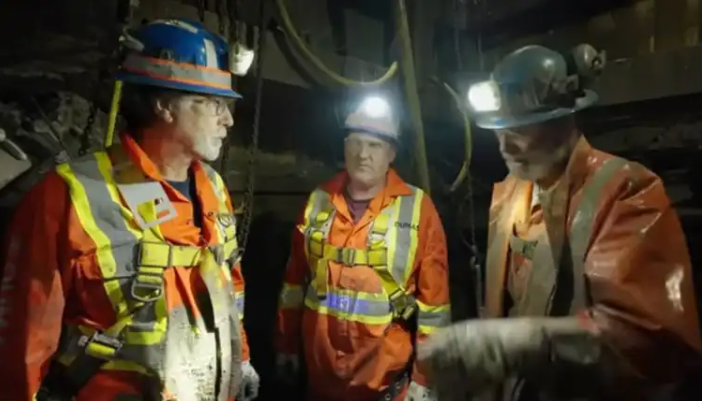
The strategic positioning of the drain cover raises questions about the motivations of the original builders. Unlike other more prominent openings, this cover was carefully camouflaged, implying that the designers anticipated future searches or intrusion attempts. This aligns with long-standing theories about protective mechanisms—traps, false tunnels, and engineered barriers designed to mislead treasure hunters. The presence of the hidden chamber beneath the cover may represent the first “safe vault” deliberately concealed from previous treasure seekers, suggesting that the Oak Island network is even more sophisticated than previously believed.
Predicting the next stages of excavation is complex but essential. The team will need to employ non-invasive methods such as ground-penetrating radar and resistivity mapping to determine the extent of the chamber and ensure structural stability before extensive digging. If initial assessments indicate additional linked tunnels, it could trigger a season-long focus on systematic excavation, with careful attention to preventing collapse and preserving any artifacts in situ. This cautious approach is critical, as Oak Island’s history is littered with collapsed shafts and flooded pits that have historically cost searchers both time and resources.
From a historical analysis perspective, the contents of the chamber could provide critical insight into the origins of Oak Island’s treasure. Early reports suggest a mixture of coins, jewelry, and other metallic objects, some of which appear to date back several centuries. If verified, these items could corroborate theories that the island was used as a storage site for European explorers, privateers, or even religious orders transporting valuables across the Atlantic. Additionally, the discovery may lend credence to the notion that Oak Island’s creators employed advanced engineering techniques, including flood tunnels and pressure chambers, to safeguard their assets—technology that would have been exceptional for the era in question.
The potential economic and cultural impact of the find cannot be overstated. If the treasure contains precious metals and historically significant artifacts, Oak Island could see renewed global attention, attracting both scholarly research and public interest. Furthermore, this discovery may influence the direction of ongoing television coverage, sponsorships, and tourism, cementing Rick Lagina and his team’s role as the primary explorers shaping the narrative of Oak Island in the 21st century. Analysts predict that the find could become a defining moment for the series, much like the discovery of medieval coins or European artifacts in previous seasons, combining tangible historical value with the enduring allure of the unexplained.
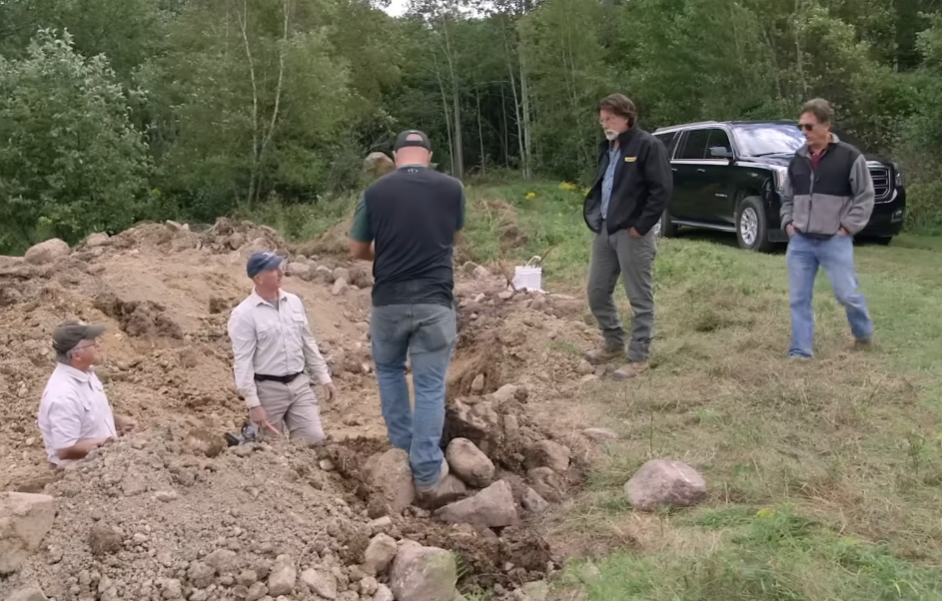
Looking ahead, the discovery under the drain cover raises several critical questions for researchers and enthusiasts alike. Could this chamber be part of a larger vault system? Are there additional concealed access points nearby, potentially leading to even greater treasures? How will the discovery reshape prevailing theories about who constructed Oak Island’s subterranean network and why? Early indications suggest that the answers will require a combination of careful excavation, historical research, and perhaps even interdisciplinary collaboration between archaeologists, engineers, and historians.
In conclusion, the uncovering of the treasure beneath the unassuming drain cover represents more than just a new hoard of valuables—it symbolizes a potential turning point in Oak Island exploration. For Rick Lagina and his team, this discovery validates years of meticulous research and offers a glimpse into the remarkable ingenuity of the island’s original builders. Analysts predict that the coming weeks and months will be critical, as the team balances excavation, preservation, and analysis in a race to unlock the full significance of this unprecedented find. If previous patterns hold, the implications of this discovery may continue to unfold over multiple seasons, potentially rewriting the history of Oak Island and reshaping the future of one of the world’s most enduring treasure hunts.