Parker Schnabel became wealthy when he discovered a rare gold mine deep underground.
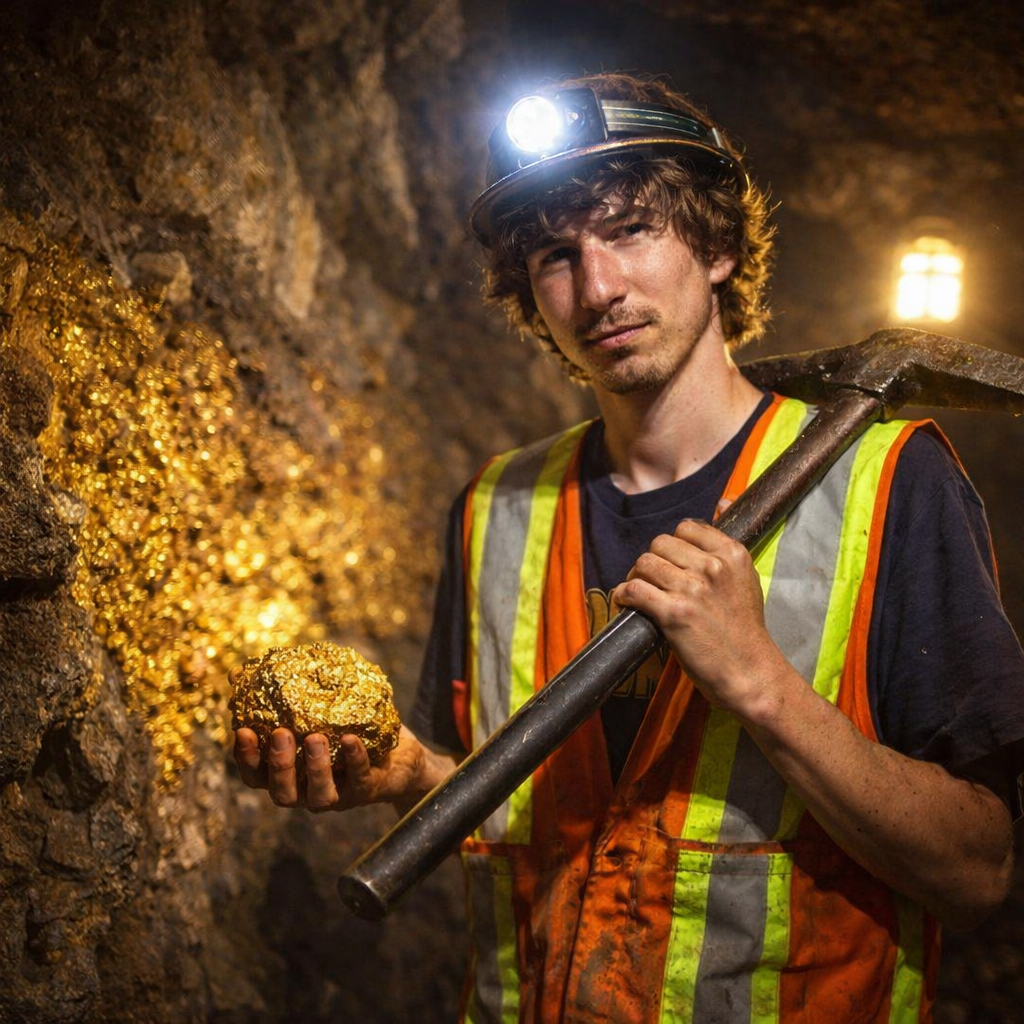
Parker Schnabel has built his reputation on Gold Rush by making bold decisions before anyone else is fully convinced. From expanding into new ground to running several wash plants at once, his success has often come from reading the land faster than his rivals and accepting pressure that would stop most miners cold. But the idea of Parker uncovering a rare, rich gold deposit buried deep underground would represent something bigger than another successful cleanup. It could mark a turning point in how his entire operation is structured.
For years, Parker’s mining model has relied heavily on scale, speed, and efficiency. He moves huge amounts of paydirt, keeps equipment running under extreme pressure, and judges each cut by whether it can deliver enough ounces to justify the cost. This approach has made him one of the most dominant figures in the modern Gold Rush era. Yet a deep-ground discovery changes the equation. Unlike surface pay, which can often be tested, stripped, and processed with a relatively direct plan, deeper deposits demand more investment, more geological confidence, and far greater patience.
That is why this potential find would immediately raise one key question: is Parker looking at a short-term payday, or the beginning of a multi-season mining project?
From an analyst’s point of view, the most interesting part of this storyline would not simply be the gold itself. It would be Parker’s response. He is no longer the young miner trying to prove he belongs in the Klondike. He is now a major operator with employees, investors, machinery, land agreements, and a reputation built on results. A rare underground deposit would test not just his mining instincts, but his ability to manage risk at a much larger strategic level.
The first likely development would be a deeper round of testing. Parker would not commit fully to an underground or deep-extraction plan based on excitement alone. Viewers would likely see drilling, sampling, and mapping become central to the storyline. The team would need to understand the depth, width, grade, and consistency of the deposit. One rich test hole can create optimism, but it does not guarantee a profitable mine. Parker knows that better than anyone. If the gold is concentrated in a narrow zone, the cost of reaching it could quickly eat into the reward.
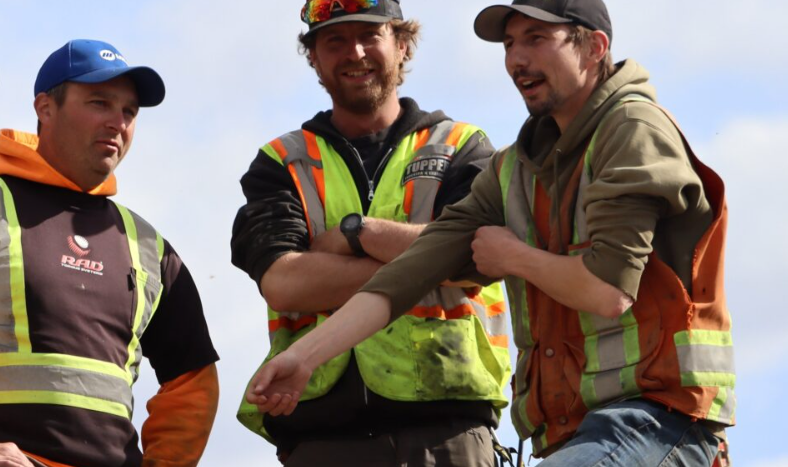
This is where Gold Rush could shift into a more technical phase. Instead of simply watching dozers, excavators, rock trucks, and wash plants fight the clock, the audience may see more emphasis on geology, underground planning, and financial modelling. The show has always worked best when the gold is tied to a clear human decision. In this case, the decision would be enormous: keep chasing proven ground with known methods, or redirect resources toward a discovery that could transform the season.
The second major development would involve Parker’s crew. A deep-ground find would put new pressure on the team because it would likely demand different expertise. Surface mining crews are highly skilled, but underground or deep-access projects can require different safety systems, engineering plans, and equipment choices. Parker may need to bring in specialists, consultants, or contractors. That could create tension inside the crew, especially if longtime team members feel that the operation is becoming more complicated and less predictable.
For television, that tension would be powerful. Parker’s best storylines often come when ambition clashes with practical limits. A rare gold deposit buried deep underground gives producers a natural arc: excitement, doubt, cost overruns, equipment strain, and finally the question of whether the gold is real enough to justify the effort.
The third likely storyline would be money. Deep mining is expensive. Even for Parker, who has handled massive operations before, opening up a new type of ground could require a major financial commitment. Roads may need to be improved. Heavy machinery may need to be reassigned. Drilling crews, safety infrastructure, fuel, labor, and downtime could all push costs higher. If Parker has already invested heavily in other cuts, the timing of this discovery could become a central issue.
This is where Tony Beets could enter the wider narrative. Gold Rush often works by comparing Parker’s modern, data-driven expansion style with Tony’s old-school instinct and experience. If Parker finds a rare deep deposit, Tony may question whether it is worth the trouble. He might argue that proven ground is safer than chasing something expensive beneath the surface. That contrast would help frame Parker’s decision for viewers: innovation versus experience, bold expansion versus hard-earned caution.
The discovery could also affect Parker’s season target. If he is chasing an 8,000-ounce or 10,000-ounce type of goal, a deep deposit might look like the answer to everything. But it could also become a distraction. The danger is that Parker pulls machines away from reliable ground to pursue something that takes too long to deliver. In Gold Rush terms, that is the perfect dilemma. The richest-looking opportunity may not be the smartest one if the season clock is running out.
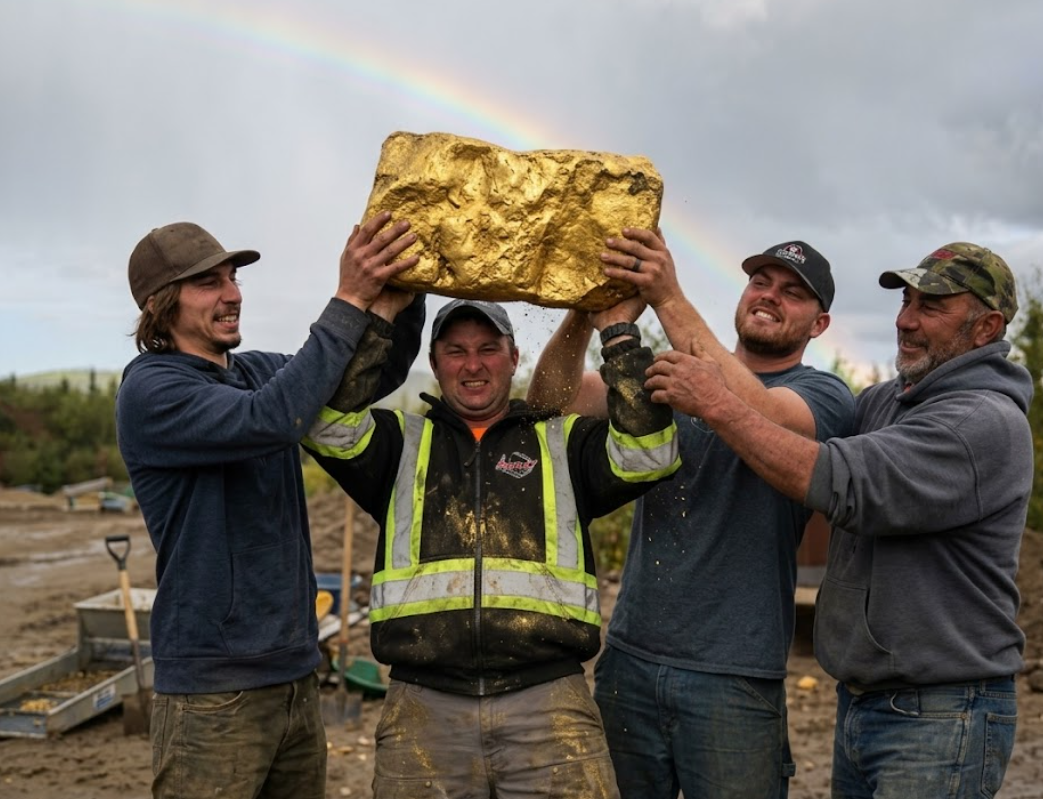
My prediction is that Parker would not immediately abandon his existing plan. He would likely run the discovery as a parallel project at first. One part of the crew would continue processing established pay, while a smaller team investigates the deep-ground find. This allows Parker to protect his season total while still exploring the bigger prize. If early results keep improving, the deep deposit could become the centerpiece of the next season rather than the current one.
That would be a smart narrative move for Gold Rush. The show thrives when one season plants the seeds for the next. A rare underground gold discovery gives Parker a future-facing storyline with real scale. It could set up a major expansion, a new mining method, or even a difficult choice about whether his operation has outgrown the traditional Gold Rush model.
In the end, Parker Schnabel’s greatest advantage has never been luck alone. It has been his willingness to act before certainty arrives. A deep-ground gold find would test that quality more than ever. If the deposit is as rich as it appears, Parker may be standing at the edge of one of the most important discoveries of his career. But if the costs climb faster than the gold count, it could become a reminder that in mining, the biggest prize is often the hardest one to reach.