Brennan Ruault Fails to Deliver on Parker Schnabel’s Mission, Nearly Rutting Down His Entire Season
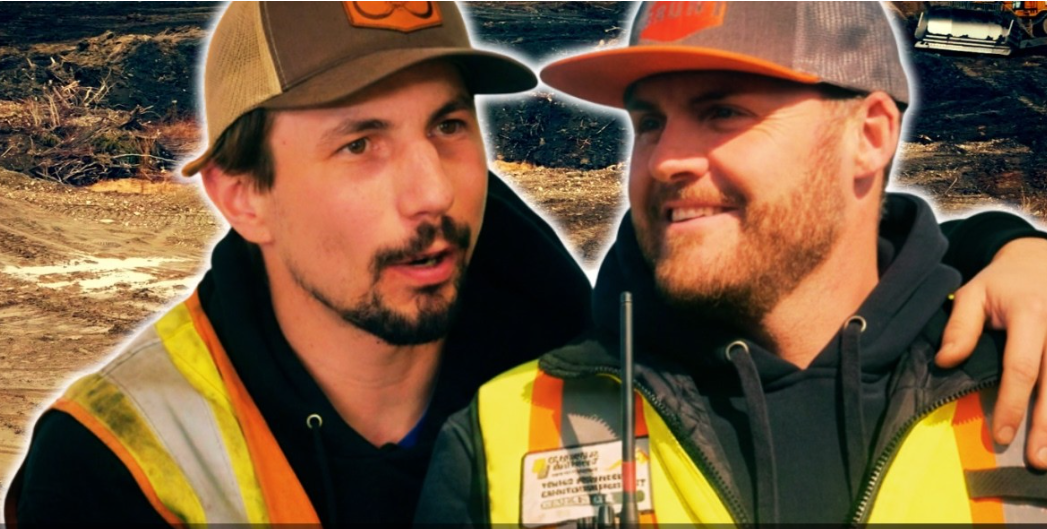
As Gold Rush barrels toward its dramatic Season 16 conclusion, tensions across the Klondike have reached a fever pitch. For Parker Schnabel, the stakes are as high as ever. Sitting nearly 3,000 ounces short of his ambitious 10,000-ounce goal, every decision, delay, and misstep carries a direct cost in gold. In this unforgiving environment, leadership and precision are measured in ounces—and nowhere is that pressure more apparent than in the story of Brennan Rualt, thrust into a pivotal role at the season’s most critical juncture.
With two wash plants temporarily sidelined to focus resources on stripping the last remaining pay from the Golden Mile, Parker’s strategy hinges entirely on Big Red, his largest and most productive wash plant. Relocating and reactivating the 50-ton machine across nearly a mile of uneven, hazardous terrain is an operation requiring not only strength but meticulous coordination and mental composure. Normally, foreman Tyson Lee would lead this complex maneuver. But Lee’s absence due to a family commitment created a leadership vacuum just when clarity and decisiveness were most needed. Brennan, experienced but long absent from operations of this magnitude, was tasked with filling that role.
From the outset, the challenges were stark. Big Red towers over 20 feet high and must be positioned with near-perfect alignment. Working alongside mechanic Alec Kelly, Brennan methodically orchestrated the transport. Early stages showed promise; he successfully navigated precarious terrain and even maneuvered a 58-ton excavator dangerously close to a steep drop to ensure proper feeder alignment. For a brief moment, it appeared Parker’s strategy was paying off. Brennan demonstrated technical skill, calm under pressure, and the ability to execute a complex task—qualities essential for any leader in the Klondike.
Yet gold mining is unforgiving. As the plant neared operational status, a critical flaw surfaced: the 200-foot conveyor belt feeding pay dirt into Big Red was dangerously worn. Metal clips securing the belt were compromised, and failure was imminent. Brennan faced a difficult decision: prioritize speed and meet Parker’s aggressive timeline or safeguard long-term operation by replacing the belt. Opting for the latter, Brennan enforced a technically correct but time-consuming repair. Alone, Alec Kelly began replacing the belt, turning what was intended to be a same-day restart into a 24-hour delay.

The consequences were immediate. Every lost hour represented gold left unprocessed, compounding an already narrow margin for achieving the 10,000-ounce target. While the plant ultimately returned to operation and the Golden Mile pay dirt began flowing again, the lost day served as a stark reminder of how fragile success can be in the Yukon. Brennan’s performance illustrated a crucial duality: competent, composed, and decisive in technical execution, yet unable to meet the urgency demanded by Parker’s operation. In the high-pressure environment of Klondike gold mining, even correct decisions can carry high costs if they impede speed.
This moment also highlighted lingering dynamics from Brennan’s past. Having returned to Parker’s crew after years away due to prior disagreements, Brennan’s season represented a second chance: to rebuild trust, demonstrate growth, and cement his place in the heart of the operation. Yet the Big Red relocation underscored the contrast between Brennan’s methodical approach and Parker’s relentless urgency. In Parker’s world, results are measured not just by correctness but by timing. The delay, despite being preventative, reintroduced questions about Brennan’s ability to operate at Parker’s pace.
From an analytical standpoint, this episode underscores one of Gold Rush’s recurring lessons: leadership in extreme mining environments is as much about judgment under pressure as it is about technical proficiency. Brennan made the right call, preventing a potential mechanical disaster, yet the lost hours remind viewers that in high-stakes operations, timing can outweigh technical correctness. Parker’s expectations for flawless, rapid execution expose the delicate balance leaders must maintain between risk, speed, and operational reliability.
The final stages of Season 16 magnify these pressures. With the clock ticking and every ounce critical, the crew must now compensate for lost time through extended hours and near-perfect efficiency. Brennan’s experience with Big Red serves as both a warning and a lesson: capability alone does not guarantee success in the Klondike. Precision, decisiveness, and the ability to maintain momentum under extreme stress define leadership in this unforgiving frontier.
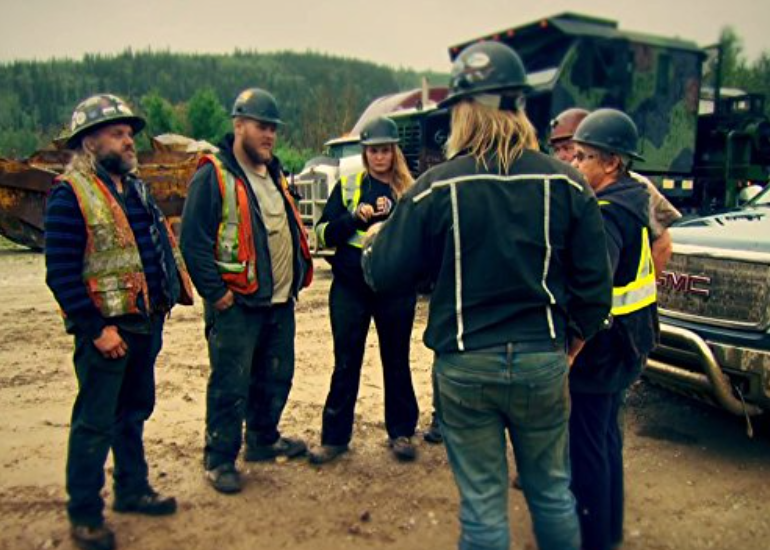
For Parker Schnabel, the Big Red delay is more than a temporary setback; it is a recalibration of the final stretch of the season. Every move now carries amplified consequences, and the margin for error has effectively vanished. For Brennan, the episode represents a personal and professional trial by fire—an opportunity to demonstrate resilience, adaptability, and growth under scrutiny. Redemption in the Klondike is never guaranteed, but this moment may prove pivotal in shaping his legacy on Parker’s crew.
As gold begins flowing once more, the underlying narrative is clear: even the right decisions can have costly consequences if not executed with the speed and precision demanded by the environment. For viewers and analysts alike, Brennan Rualt’s Big Red operation is a study in contrasts—competent yet pressured, decisive yet constrained, and ultimately, a reminder of just how razor-thin the line is between triumph and setback in the Yukon.