UNEXPECTED THEFT: Jeremy Clarkson’s car was stolen right from the parking lot of his own farm shop.
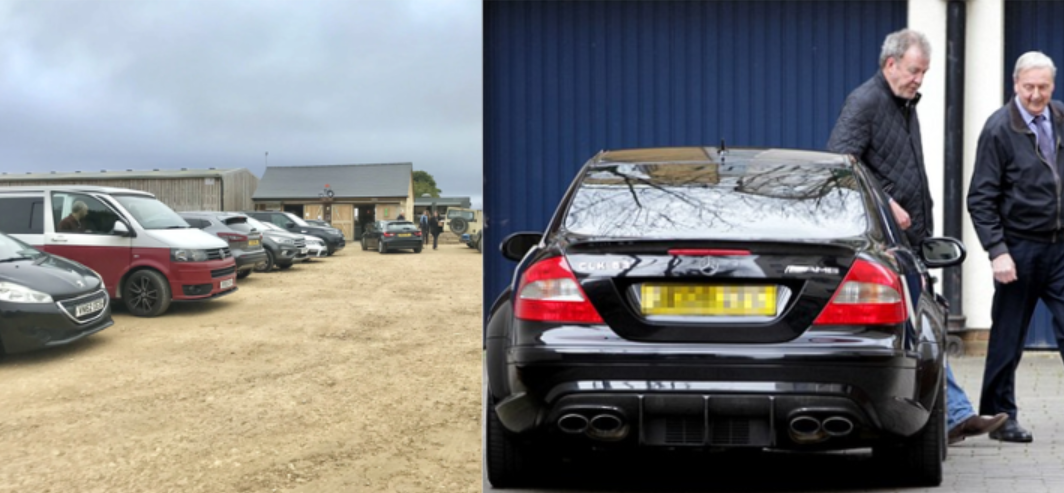
If Jeremy Clarkson’s car were taken from the parking lot of his own farm shop, the incident would represent far more than an awkward personal setback. For Clarkson’s Farm, it would expose one of the central tensions that has followed Diddly Squat from the beginning: what happens when a working farm becomes a tourist destination, a retail brand, a television set and a public attraction all at once?
There is currently no clear public confirmation that Clarkson’s car was stolen from Diddly Squat Farm Shop. But as a programme scenario, the idea fits neatly into the wider problems the show has already explored. Clarkson’s Farm has never been only about crops, livestock and machinery. It has also become a series about fame colliding with rural life.
Diddly Squat Farm Shop has been a major symbol of that collision. The popularity of the shop brought large numbers of visitors to the area, creating pressure around traffic, parking and relations with local residents. The farm shop’s success has been so intense that planning and parking issues have repeatedly become part of the public story around Clarkson’s farming venture. Farmers Guide reported in 2023 that Clarkson was granted permission to extend the temporary car park at Diddly Squat after long-running planning arguments, while a proposed restaurant at the site was rejected.
That background matters because a reported car incident in the parking area would not feel isolated. It would become part of a much larger question about whether Diddly Squat’s infrastructure can keep pace with its fame. In ordinary circumstances, a farm shop car park is a practical space. At Diddly Squat, it is also where fans arrive, queue, take pictures, buy produce and experience the world they have seen on screen.
From an analyst’s point of view, the most interesting part of this storyline would not be the vehicle itself. It would be what the incident reveals about the burden of success. Clarkson originally began the farm as a working agricultural project, but the television series turned it into a destination. Fans do not just watch the farm; many want to visit it. That creates opportunity, but also vulnerability.
A car being taken from the farm shop car park would immediately raise questions about security, visitor flow and public access. How closely can such a site be monitored when crowds are coming and going? How does a farm shop balance openness with safety? And at what point does a rural business need the kind of security planning normally associated with a much larger commercial venue?
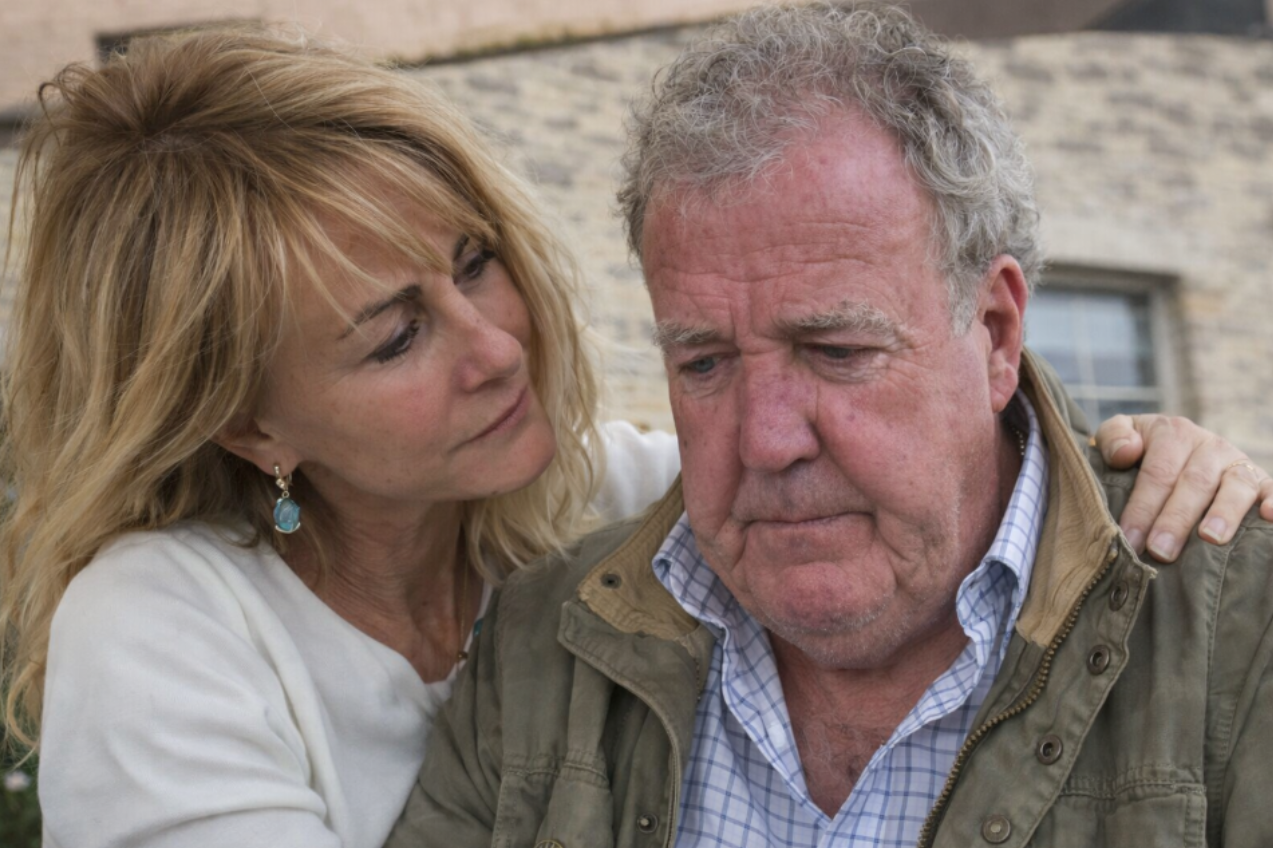
These questions would be especially relevant for Season 5. Prime Video has confirmed that Clarkson’s Farm Season 5 launches globally on June 3, 2026, with episodes released weekly through June 17. The season is expected to follow Clarkson through major changes at Diddly Squat, including pressure connected to the wider farming economy. If the show chooses to focus on the consequences of public attention, a parking-lot incident would fit naturally into that broader theme.
Kaleb Cooper’s reaction would likely be one of practical frustration. Kaleb often represents the working-farm perspective: less impressed by celebrity chaos and more focused on the daily job. For him, an incident involving the car park would probably become another example of outside attention making farm life harder. It is not just about losing time. It is about distraction, disruption and the difficulty of keeping a farm running while the public treats it like a visitor attraction.
Charlie Ireland would likely see the incident through a different lens. As the voice of rules, planning and consequences, Charlie would probably focus on liability, procedure and risk management. If the parking area is central to the farm shop’s operation, then security is not simply a personal concern for Clarkson. It becomes a business issue. Better lighting, clearer access routes, camera coverage and staff oversight could all become part of the conversation.
Lisa Hogan’s role could also become important. She has often been associated with the customer-facing side of the Diddly Squat world, including the farm shop and hospitality experience. A security issue could force her side of the operation to rethink how fans are welcomed. The challenge would be to make visitors feel invited without allowing the site to become chaotic or exposed.
This is where Clarkson’s Farm differs from many reality shows. Its conflicts often start with something small, then open into a bigger issue. A failed crop becomes a lesson about weather. A planning row becomes a debate about rural business. A sick animal becomes a reminder of farming’s emotional cost. In the same way, a car incident could become a story about the hidden costs of rural fame.
The most likely development would be a renewed focus on the farm shop’s visitor management. Diddly Squat has already faced public attention over parking conditions, mud and crowd expectations. GB News reported in early 2026 that the farm shop responded to complaints about its muddy car park by reminding visitors that it was a farm shop car park, not a polished urban shopping centre. That tone captures the central contradiction: visitors want the authenticity of a real farm, but often expect the convenience of a commercial attraction.
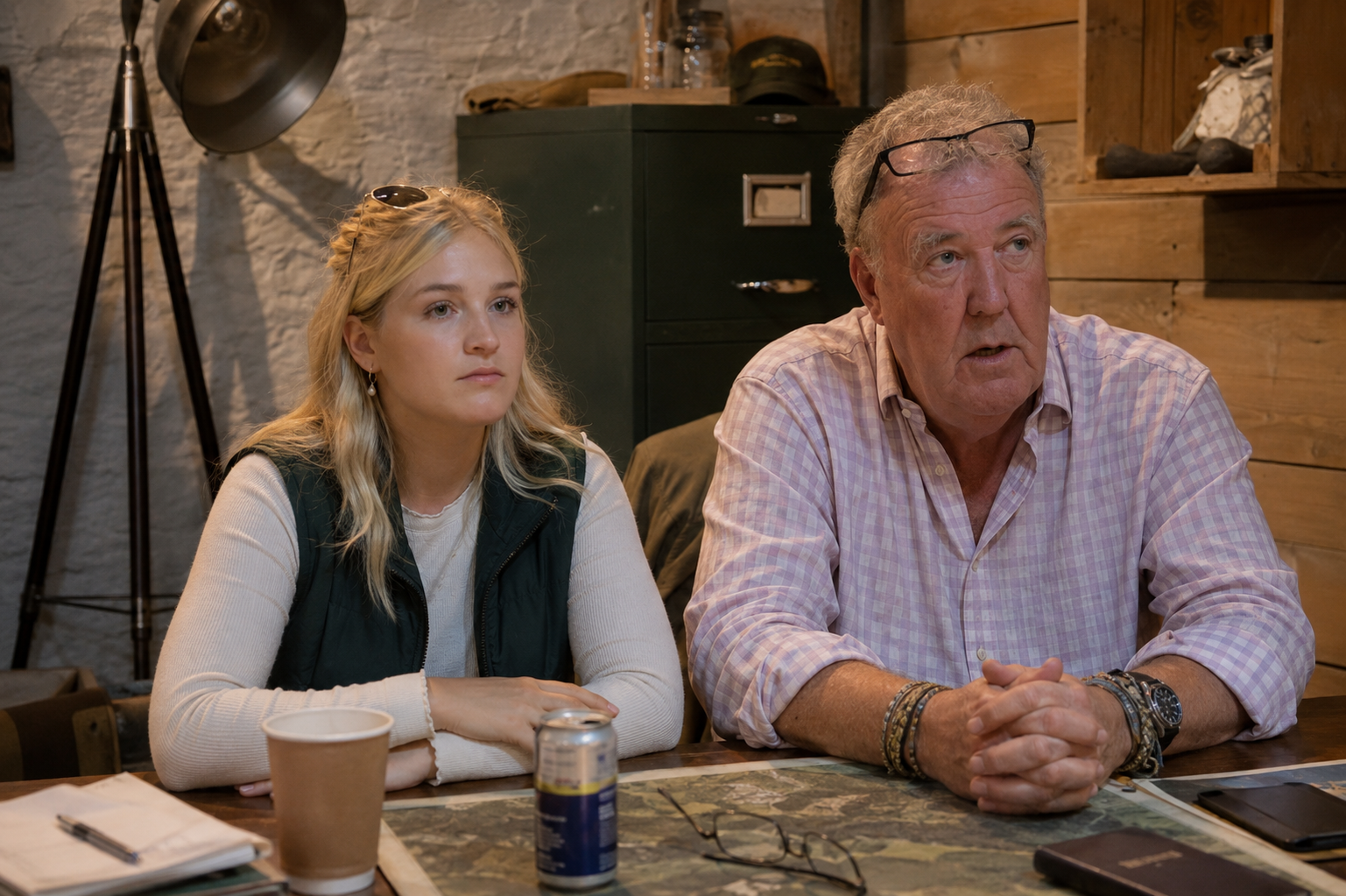
If Clarkson were to address a car theft storyline on screen, he would likely do so with a mixture of annoyance, humour and disbelief. That is the Clarkson formula. But beneath the comic reaction would be a serious operational question: can Diddly Squat remain charmingly rough-edged when the scale of public attention keeps growing?
Looking ahead, this kind of incident could push the series toward a more mature phase. Earlier seasons showed Clarkson learning how hard farming is. Later seasons have shown him learning how hard it is to run a farming brand. The next stage may be about governance: security, planning, staff systems, visitor controls and long-term sustainability.
Ultimately, the reported theft would not simply be a story about a car. It would be a story about what Diddly Squat has become. A farm that once struggled to make money is now famous enough to attract crowds, criticism, council attention and, potentially, new security risks.
For Clarkson’s Farm, that is valuable television. It shows that success does not remove problems. It creates different ones. And for Jeremy Clarkson, the challenge may no longer be just learning how to farm. It may be learning how to protect the world that farming success has built.