Vanessa Lucido discovers a $300 million treasure buried on Oak Island – the ultimate mystery is finally revealed!
For many viewers, Clarkson’s Farm has always appeared to be the story of one famous man learning, often painfully, how difficult farming really is. Jeremy Clarkson buys a tractor too large for his lanes, argues with local officials, struggles with weather, loses money on crops, and depends heavily on Kaleb Cooper to stop the whole operation from sliding into chaos. But if the true number of farmers and workers connected to Diddly Squat Farm has now been revealed as far larger than many expected, it could change the way audiences understand the entire series.
The power of Clarkson’s Farm has always come from its apparent simplicity. Jeremy is the outsider, Kaleb is the practical expert, Charlie Ireland is the financial conscience, Lisa Hogan brings the public-facing farm shop energy, and Gerald Cooper provides one of the programme’s most beloved rural voices. Around them, the farm seems busy but still intimate. Viewers are invited to believe they are watching a relatively small operation trying to survive against unpredictable weather, bureaucracy, rising costs, and Clarkson’s own impatience.
But farming is rarely that simple. A working farm, especially one as visible and commercially stretched as Diddly Squat, depends on far more labour than can be shown in a tightly edited television series. If the real number of people involved is much larger than viewers imagined, that does not necessarily weaken the programme. In fact, it may make the show’s central message stronger: modern farming is not a one-man adventure. It is a network of labour, expertise, contractors, suppliers, seasonal support, machinery operators, animal specialists, shop staff, logistics workers, and local agricultural knowledge.
From a television analyst’s perspective, this revelation could become a useful turning point for the next phase of Clarkson’s Farm. Earlier seasons focused heavily on Jeremy’s personal education. The audience watched him discover how expensive, technical, and unforgiving farming could be. But as the Diddly Squat brand has grown, the story has naturally expanded beyond Jeremy himself. The farm shop, the pub, Hawkstone-related ventures, public events, food production, livestock, crops, and planning disputes have all widened the world of the series.
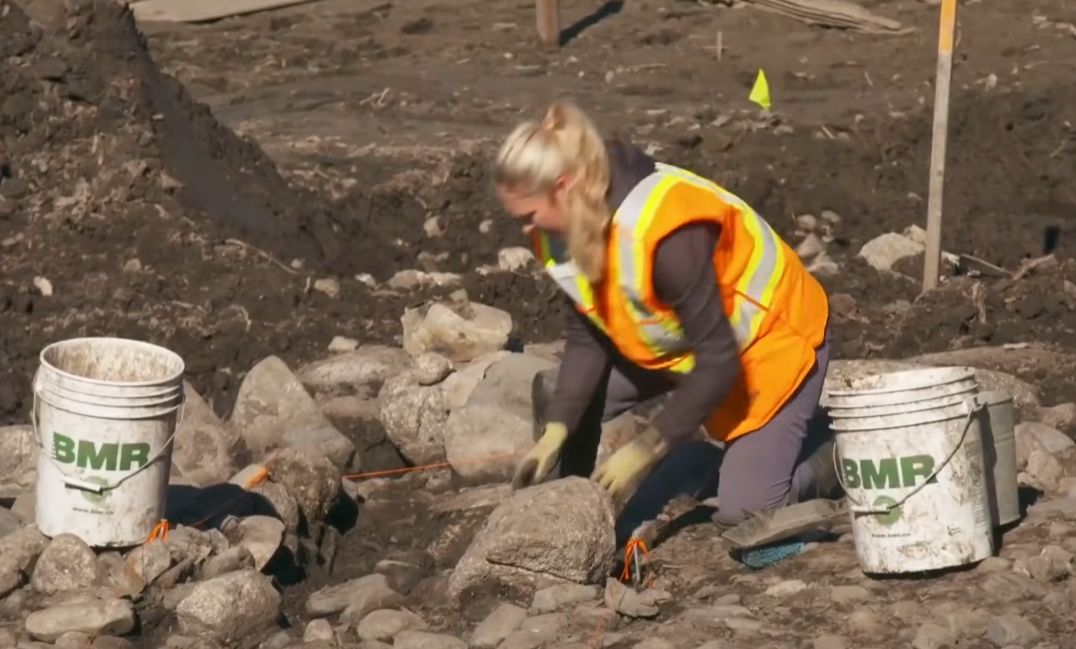
A larger workforce fits that evolution perfectly. It suggests that Clarkson’s Farm is no longer only about a celebrity trying to farm. It is about the pressures created when a real agricultural business becomes a national attraction. That creates tension, because the more successful Diddly Squat becomes, the more complicated it becomes to manage.
The most likely on-screen development is that the show may begin highlighting the hidden labour behind the farm more openly. Viewers already know Kaleb is not simply a side character. He is central to the operation, both as a working farmer and as the person who often translates farming reality for Jeremy. But if the farm relies on a much larger team, future episodes could introduce more of these people, showing how each role contributes to the business.
That would be a smart creative move. Clarkson’s Farm has succeeded because it balances humour with real economic pressure. Expanding the cast of working agricultural voices would help the programme stay grounded. It would also prevent the format from becoming repetitive. There are only so many times Jeremy can make a basic mistake and be corrected by Kaleb before the audience wants a broader picture. Showing the scale of the workforce would allow the series to explore the machinery of rural business more seriously.
There is also a possible reputational risk. Some viewers may ask whether the programme has made Diddly Squat appear smaller or more personally run than it really is. If the number of workers is far higher than expected, critics could argue that the show’s image of Jeremy battling alone against the realities of farming is too simplified. But that criticism would miss the point. Television always compresses reality. The question is not whether every person appears on screen, but whether the programme gives a truthful sense of the pressure, cost, and complexity behind farming.
In that sense, the revelation could actually help Clarkson. It would make clear that even with fame, money, cameras, and a large team, farming remains brutally difficult. If Diddly Squat needs a surprisingly large number of people to function, what does that say about ordinary farms with fewer resources and less public attention? That is where the story becomes more powerful. The scale of labour does not make Clarkson’s problems look smaller. It makes the agricultural challenge look bigger.
The next season could use this idea to deepen the programme’s social argument. Clarkson’s Farm has become influential because it shows farming not as a romantic countryside lifestyle, but as a constant battle against thin margins and unpredictable systems. A larger workforce would allow the show to examine employment, rural skills, succession, seasonal labour, and the difficulty of keeping young people in agriculture. Kaleb’s popularity has already proved that viewers are interested in real farming knowledge. Bringing more workers into focus could extend that appeal.
It may also create new tension between Jeremy and Kaleb. If the farm is operating at a larger scale, decisions become more serious. Labour costs rise. Mistakes become more expensive. Clarkson’s instinct is often to expand, experiment, and push into new ventures. Kaleb’s instinct is usually to get the core farming right first. A bigger workforce would sharpen that divide. Jeremy may see scale as success. Kaleb may see it as a risk if the land, weather, and cash flow do not support it.
Charlie Ireland would likely become even more important in this storyline. A large workforce is not just a human-interest detail; it is a financial issue. Every extra person, contractor, shift, and support role adds cost. Charlie’s job is to remind Jeremy that popularity does not automatically mean profit. If the show reveals the true scale of people behind Diddly Squat, Charlie’s analysis of whether the business can sustain that structure could become one of the season’s most serious threads.
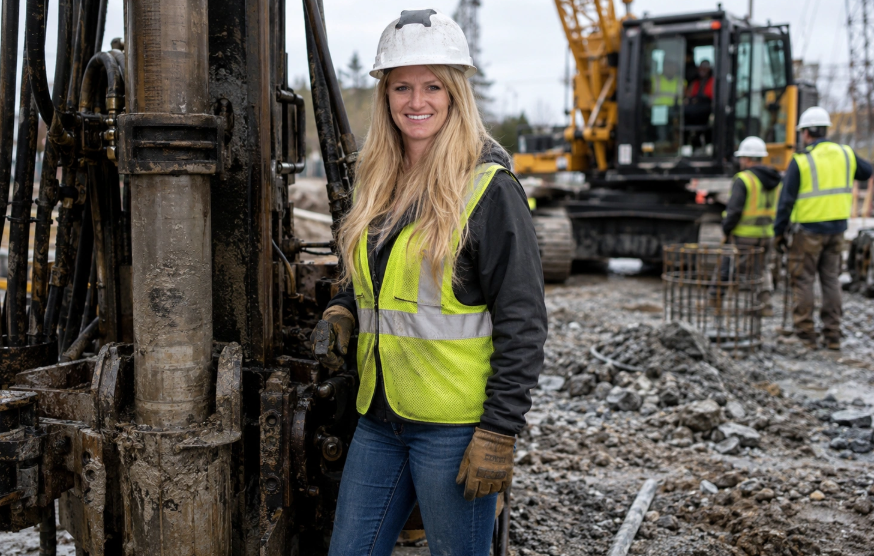
For Lisa Hogan, the workforce story could also connect to the public-facing side of Diddly Squat. The farm shop and wider brand depend on customer demand, product supply, staffing, and local goodwill. The more people involved, the more Diddly Squat becomes a local employer rather than just a television location. That could help the show frame the farm as part of a broader rural economy, not merely a celebrity enterprise.
Ultimately, the reported scale of farmers and workers at Diddly Squat could become one of the most revealing details in Clarkson’s Farm. It pulls back the curtain on what viewers do not always see: the human system required to keep a modern farm moving. For future episodes, it offers a strong new direction. The story may shift from Jeremy learning how to farm to Jeremy learning what it truly takes to manage a farm that has become too big, too visible, and too important to run like a private experiment.
And that may be the real lesson. Diddly Squat was never just one man and one tractor. It was always a working ecosystem. Now, if the audience finally sees how many people are keeping it alive, Clarkson’s Farm may become even more compelling than before.