The vault is revealed: Images from the borehole show the Lagina brothers have gained access to the sealed chamber.
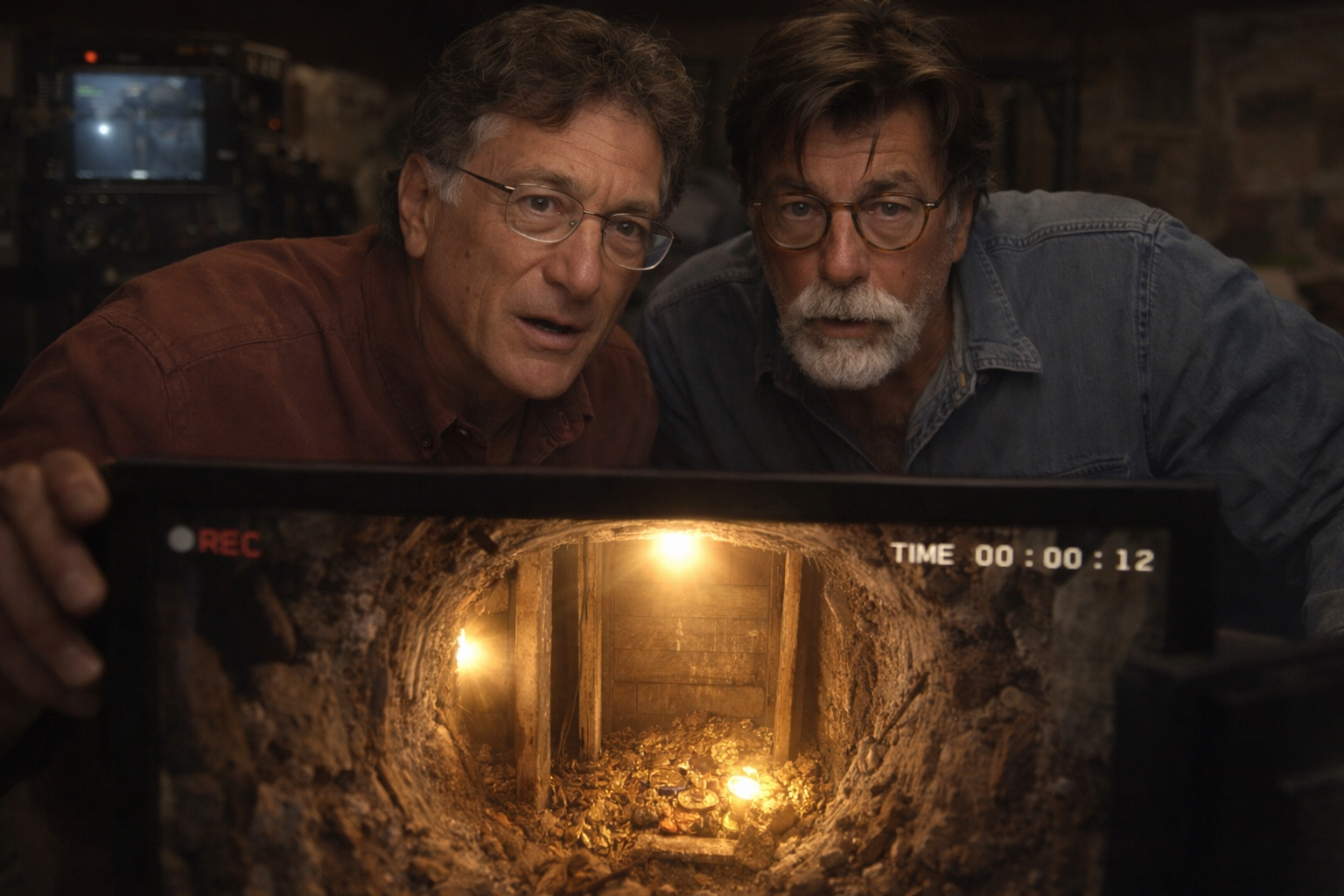
For years, The Curse of Oak Island has lived in the space between evidence and possibility. The Lagina brothers have followed wood fragments, metal traces, stone structures, water samples, tunnels, shafts, and centuries-old theories. But if new borehole footage truly appears to show a sealed chamber beneath Oak Island, the search could be entering one of its most important phases yet.
The idea of a hidden chamber has always sat at the centre of the Oak Island mystery. From the original Money Pit story to modern drilling campaigns, the search has been driven by the belief that something was deliberately buried, protected, or concealed below the surface. The difficulty has never been simply finding a target. It has been proving that the target is man-made, historically significant, and connected to the larger mystery.
That is why borehole footage matters. Unlike surface artifacts, borehole video offers a direct look into the underground environment. If the camera captures a void, a wall-like feature, stacked material, worked timber, metallic objects, or a clear boundary between natural soil and constructed space, the team gains something far stronger than a theory. They gain visual evidence that can guide the next stage of excavation.
From a programme analyst’s perspective, this kind of footage would be treated as a major narrative turning point. The show often builds episodes around uncertainty: a strange reading, a promising scan, a possible tunnel, or an artifact that needs expert interpretation. But a sealed chamber would change the emotional rhythm. Instead of asking whether there is something there, the team would begin asking how to reach it safely, what it contains, and who built it.
Rick Lagina’s reaction would likely become central. Rick has always been the emotional heart of the search. He sees Oak Island not only as an archaeological puzzle, but as a human story left unfinished. A chamber revealed by borehole camera would speak directly to his lifelong belief that the island still has something meaningful to show. For Rick, this would not simply be a technical breakthrough. It would be the kind of moment that validates years of persistence.
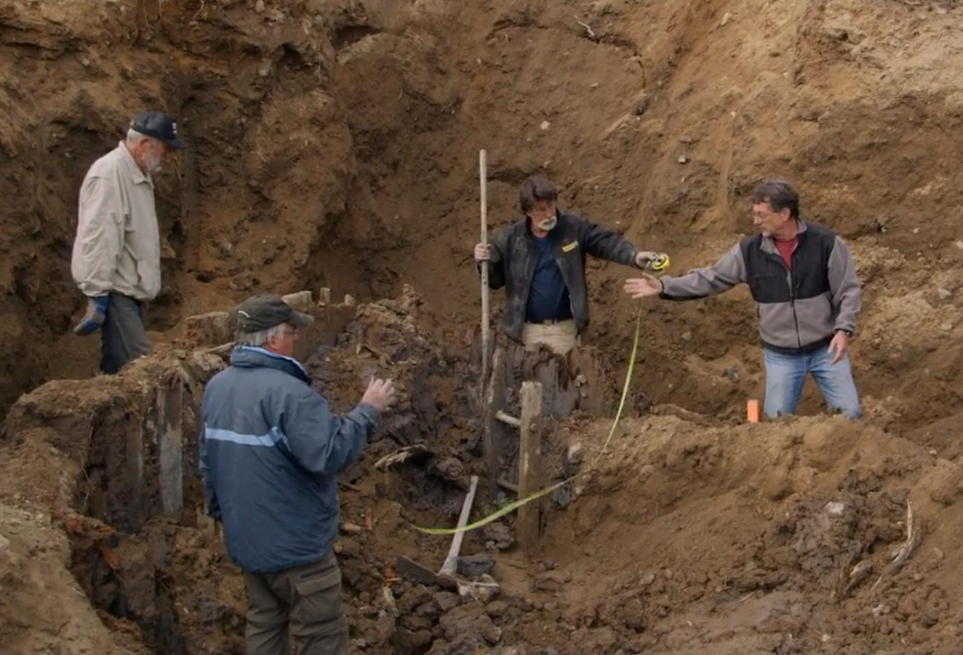
Marty Lagina would likely respond with more caution. His role has often been to balance excitement with proof. He would want to know whether the footage clearly shows a constructed chamber or whether natural geology could explain the void. He would also focus on the cost, risk, and engineering required to investigate it properly. That tension between Rick’s hope and Marty’s discipline is one of the reasons the series remains compelling.
The next likely step would be verification. A single camera view, no matter how promising, would not be enough. The team would probably run additional boreholes around the target to define its size and shape. They may use sonar, underground imaging, water testing, and possibly repeated camera drops from different angles. If the chamber appears sealed, the team would need to establish whether it is stable or at risk of collapse if disturbed.
Emma Culligan and the scientific team would also become important. Any material seen in the footage would need careful analysis. If wood is visible, the team would want samples for dating. If metal appears, they would want XRF testing or other compositional analysis. If stonework is present, archaeologists would look for signs of human placement. The show’s strongest modern episodes are usually built around this combination of visual discovery and laboratory confirmation.
One possible development is that the chamber footage redirects attention back to the Money Pit area. If the borehole target sits near the historic search zone, it could revive the central treasure theory in a powerful way. The Money Pit has been drilled, flooded, disturbed, and reinterpreted for generations. A sealed chamber would suggest that despite all previous efforts, part of the original system may still remain intact.
Another possibility is that the chamber lies away from the classic Money Pit, perhaps closer to the swamp, Garden Shaft, or another anomaly field. That would be just as important. In recent seasons, the show has increasingly moved beyond the idea of one single shaft and toward a broader network theory. Roads, wharves, tunnels, and work areas suggest that Oak Island may have been part of a larger engineered operation. A sealed chamber outside the traditional zone would support that wider interpretation.
The phrase “smoking gun” also carries weight. In Oak Island terms, a true smoking gun would need to do more than show an empty space. It would need to demonstrate intention. The key question is not whether a void exists. Underground cavities can form naturally. The key question is whether the footage shows signs of design: straight edges, fitted stones, timber supports, stacked objects, or a sealed entrance. If those features are visible, the chamber becomes much harder to dismiss.
The discovery could also reshape the team’s excavation strategy. If the chamber is deep, unstable, or water-filled, direct access may require major engineering. That could mean a new caisson, shaft reinforcement, or a carefully controlled dig. The team would need to balance urgency with preservation. A rushed attempt might damage the very evidence they are trying to study.
For television, the stakes would be enormous. A chamber target gives the season a clear destination. Every episode can build toward access: confirming the void, mapping the structure, choosing the safest method, bringing in experts, and finally attempting to open it. This is the type of storyline that keeps viewers invested because it creates a visible path from clue to action.
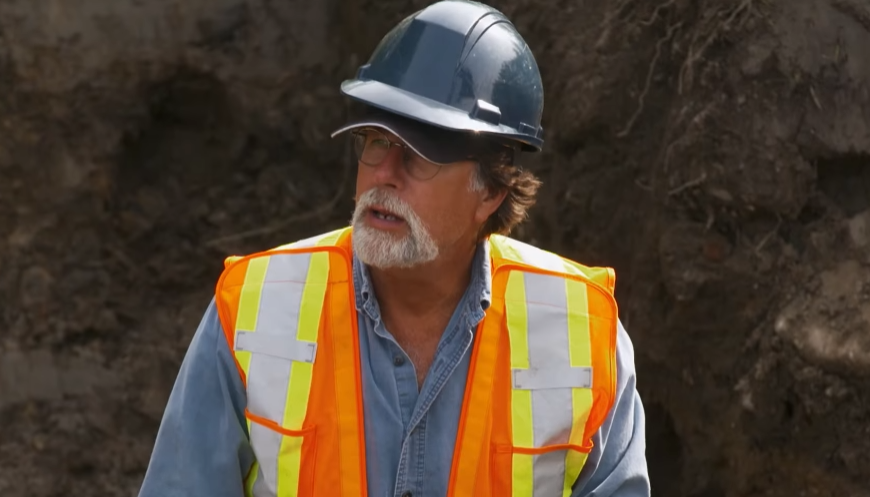
However, the most realistic prediction is that the chamber will not immediately reveal a complete answer. Oak Island rarely works that way. Even if the footage is strong, the team may face water problems, drilling limitations, permitting issues, or ambiguous visual data. The chamber could contain artifacts, but it could also contain collapsed material, old searcher debris, or evidence that is important but not spectacular.
That uncertainty does not weaken the storyline. It strengthens it. The Curse of Oak Island has never been only about finding treasure in a simple sense. It is about proving what happened on the island, who was there, and why so much effort may have gone into hiding or protecting something.
If the Lagina brothers truly have borehole footage of a sealed chamber, the search may be moving from speculation into a more decisive phase. The next challenge will not be convincing the team to believe. It will be proving, with careful science and controlled excavation, that the chamber is real, man-made, and historically meaningful.
For Rick and Marty Lagina, this could become the moment that defines the season. Not because it guarantees the final answer, but because it may finally give the Oak Island mystery a physical target worthy of its legend.