Clarkson’s Farm confirms new Diddly Squat member for 2026 after tragic loss
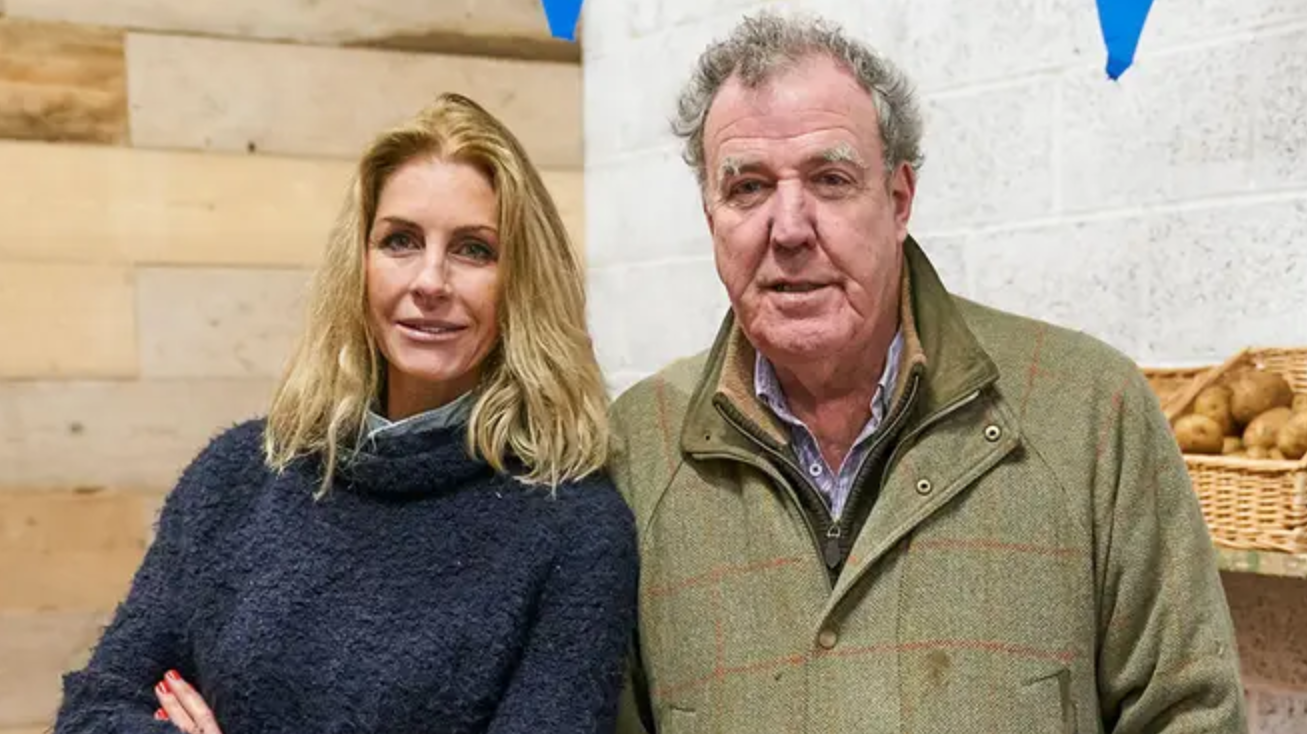
Jeremy Clarkson, the former Top Gear and The Grand Tour host, has once again captured the public’s attention, not with cars, but with his growing menagerie at Diddly Squat Farm in Oxfordshire. As fans eagerly anticipate the upcoming fifth season of Clarkson’s Farm, Clarkson recently introduced the latest member of his animal family, a donkey named Ben, following the heartbreaking loss of another cherished donkey on the farm.
Diddly Squat Farm, now widely recognized thanks to Clarkson’s candid and humorous approach to farming life, has always featured an array of animals that have become minor celebrities in their own right. Among them are a herd of cows, a pair of dogs named Sansa and Arya, and the infamous pigs, including the well-remembered Richard Ham. Managing this eclectic group has proven to be a challenge even for Clarkson, whose agricultural adventures have been documented since 2019 when he took over the 1,000-acre property near Chipping Norton and Chadlington.
In early March, Clarkson took to Instagram to introduce the newest addition. Sharing a picture of the donkey, he wrote simply: “Please welcome to Diddly Squat. New Ben.” This brief post belies the deeper story of the farm’s evolving ecosystem. The previous donkey named Ben, who had arrived in June 2025 to enjoy a peaceful retirement alongside a companion, sadly passed away due to laminitis, a painful condition affecting the hooves. Clarkson himself confirmed the loss in his column for The Sun, reflecting on the bittersweet nature of farm life. “In farming, it seems you are allowed one bit of good news, but it must always be accompanied by some kind of disaster,” he wrote, capturing the unpredictable realities of rural management.
Laminitis is a serious and often fatal condition in equines, marked by inflammation of the tissues in the hoof. It is notoriously difficult to manage and can cause severe discomfort, making euthanasia a humane, though sorrowful, choice for afflicted animals. For Clarkson, whose series has always intertwined humor with the day-to-day hardships of farming, the passing of a long-loved donkey is a poignant reminder of the responsibilities that come with stewardship of animals and land alike.
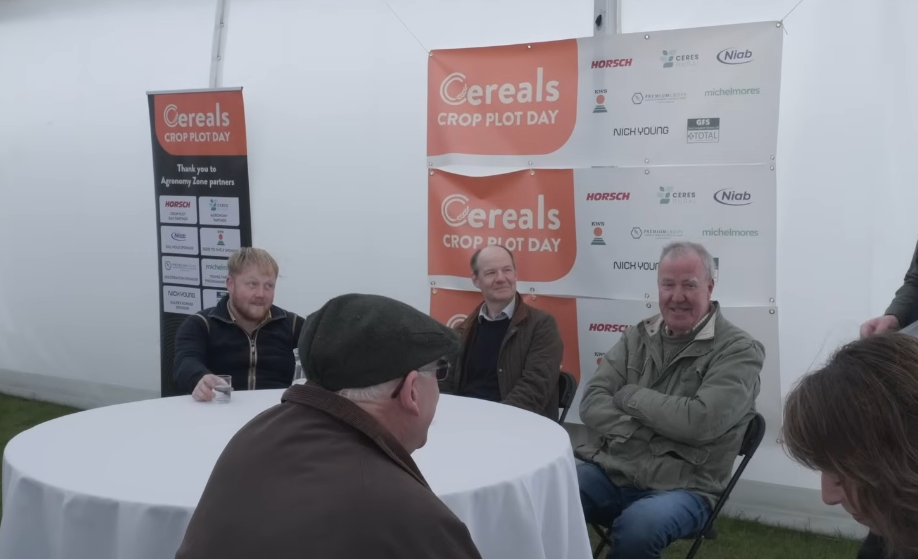
Despite this setback, Clarkson’s farm operations have seen some positive developments. Earlier in the year, he announced that Diddly Squat had officially become tuberculosis-free after seven months of lockdown. This milestone represents a major victory for the farm, as TB restrictions have limited the movement and activities of livestock, complicating both farming operations and filming schedules for the TV series. However, this achievement was tempered by the unfortunate necessity of putting down the donkey, illustrating the delicate balance of triumphs and challenges in managing the farm.
The delay in filming for Clarkson’s Farm season five has been largely attributed to adverse weather conditions and ongoing TB restrictions. Clarkson explained in his column for the Sunday Times that persistent rain has prevented him from planting crops or moving cows, essentially halting farm work. “It hasn’t stopped raining since the beginning of the year, so I can’t plant anything, and I can’t do anything with my cows either because we are still locked down by TB,” he reported. These logistical challenges have pushed back the anticipated release date for the new season, though Amazon and Clarkson have confirmed that filming will resume once conditions allow.
Fans of the show, who have grown attached not only to Clarkson’s comedic approach to farming but also to the personalities of the animals themselves, have expressed concern and curiosity about the impact of these delays. The introduction of a new donkey adds a fresh narrative element, and viewers are eager to see how “New Ben” will adapt to life at Diddly Squat, especially in the shadow of the previous donkey’s passing. Clarkson’s ability to weave these real-life farm events into engaging television has been a hallmark of the series’ success, and this development promises to continue that tradition.
Looking further ahead, Clarkson has hinted at long-term plans for the series. He has previously mentioned that he envisions producing up to six seasons of Clarkson’s Farm, and that current storylines will likely carry into a 2027 season. “I’ve got two quite good ones, so we’ll do six and then we’ll see…” he wrote, signaling a pragmatic approach to balancing storytelling, farm operations, and personal ambition. The careful pacing and selection of content demonstrate Clarkson’s desire to maintain quality and authenticity, rather than rushing through production despite environmental and logistical hurdles.
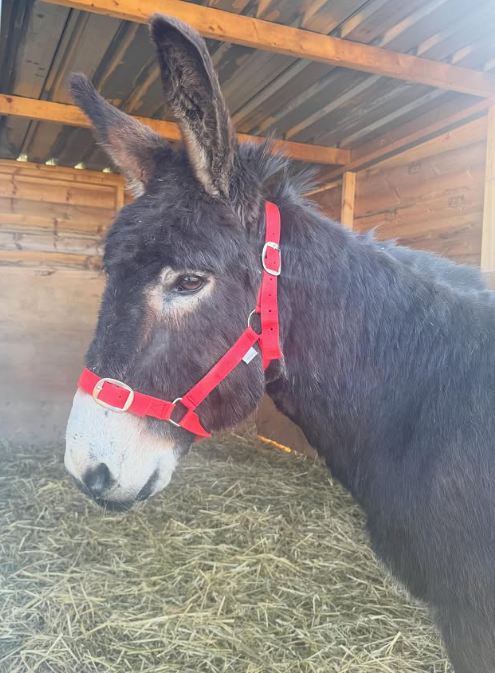
The addition of New Ben reflects both a practical and symbolic renewal for Diddly Squat. Animals are central to Clarkson’s narrative, providing both comedic relief and grounding the series in the realities of rural life. As viewers anticipate the fifth season, the new donkey may serve as a poignant reminder of the cyclical nature of farm life—loss, adaptation, and renewal. Clarkson’s candid reflections on these experiences continue to resonate with audiences, highlighting not only the challenges of modern farming but also the enduring charm and unpredictability of life at Diddly Squat.
In conclusion, Jeremy Clarkson’s introduction of a new donkey amidst setbacks at Diddly Squat underscores the highs and lows of running a real farm in the 21st century. With TB restrictions lifted, the farm now has a renewed opportunity to thrive, even as it navigates unpredictable weather and animal health challenges. Fans eagerly await the next season of Clarkson’s Farm, not just for the insight into Clarkson’s unconventional farming methods, but also for the stories of the animals—both old and new—that have made the farm a beloved part of British television culture.