Will Kaleb Cooper really leave ‘Clarkson’s Farm’ season 5? Fan curiosity about him is growing.
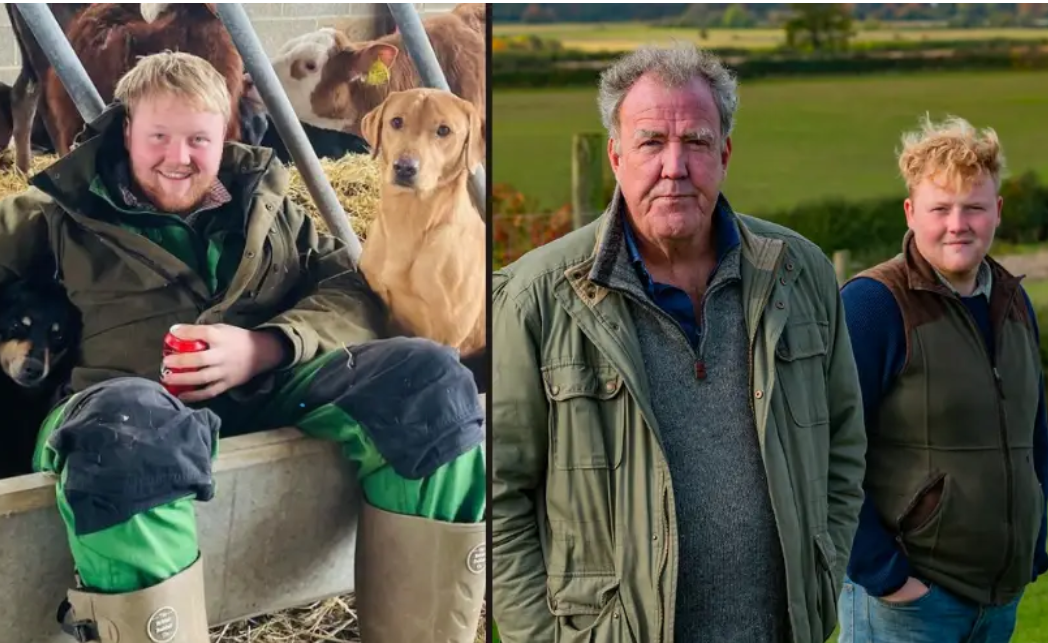
For many viewers, Clarkson’s Farm would not feel quite the same without Kaleb Cooper. Since the series first introduced audiences to Jeremy Clarkson’s chaotic attempt to run Diddly Squat Farm, Kaleb has become far more than a supporting figure. He is the practical voice in the field, the young farmer with sharp instincts, and often the person who brings Clarkson back to reality when ambition runs ahead of experience.
That is why the growing curiosity around Kaleb’s future has become such a powerful topic among fans. The question is simple but loaded with emotion: is Kaleb Cooper really leaving Clarkson’s Farm, or are viewers mistaking career growth for an exit?
From an analyst’s point of view, the answer is likely more complicated than a straight yes or no. Kaleb’s profile has grown rapidly. He has moved from being a local farming contractor to one of the most recognisable faces in British factual entertainment. He has toured the country, built a strong public image, and now has enough audience appeal to carry separate television projects of his own. That naturally raises questions about how long he can remain tied to the same role at Diddly Squat.
But popularity does not automatically mean departure. In fact, Kaleb’s rising status may strengthen his place in Clarkson’s Farm rather than weaken it. The show’s success depends on a very specific balance. Jeremy Clarkson provides the curiosity, stubbornness and comic chaos. Charlie Ireland provides the financial and regulatory caution. Lisa Hogan brings warmth, business pressure and emotional grounding. Kaleb, meanwhile, represents the practical farming knowledge that gives the series credibility.
Without him, the show would lose one of its most important contrasts. Clarkson may be the star name, but Kaleb is the figure who reminds viewers that farming is not a lifestyle experiment. It is technical, exhausting, weather-dependent and financially unforgiving. His blunt explanations and visible frustration are not just entertainment. They are part of the programme’s educational structure.
That is why any suggestion of Kaleb leaving creates such strong fan interest. Viewers are not only attached to him as a personality. They understand that his presence helps the show function. If Clarkson’s Farm were to continue without Kaleb, it would need to find a new way to explain the farming process while keeping the same chemistry. That would not be easy.
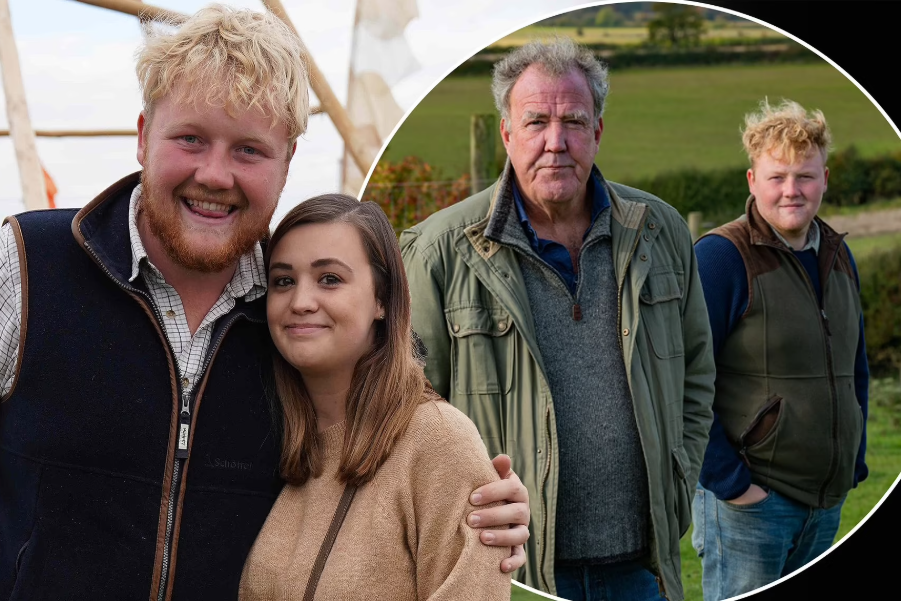
The more likely development is not a sudden exit, but a gradual broadening of Kaleb’s role. As his career expands, the series may show him becoming less of a constant farmhand figure and more of an independent operator with his own ambitions. This could actually make the next phase of Clarkson’s Farm more interesting. Instead of simply watching Kaleb correct Clarkson’s mistakes, viewers may begin to see Kaleb make bigger choices about his own future.
This would fit naturally with the direction of the show. Clarkson’s Farm has never been only about crops, livestock and machinery. It is about change: Clarkson changing his understanding of agriculture, the farm changing under financial pressure, and the people around him changing as the show transforms their lives. Kaleb’s evolution from local farmer to television figure is one of the most important examples of that change.
Season 5 could therefore use fan curiosity around Kaleb as a major emotional thread. The series may not need to frame it as a farewell. It could instead explore a quieter question: what happens when the young farmer who helped make Diddly Squat work starts building a world beyond it?
That tension could play out in several ways. First, Kaleb may be shown balancing his farm duties with outside opportunities. That would create natural pressure, especially if Clarkson still expects him to be available whenever problems arise. Second, Jeremy may become more reliant on other helpers, raising the possibility that the farm’s day-to-day rhythm is shifting. Third, Kaleb’s own confidence may become more visible as he realises his value is no longer limited to one farm or one television format.
For fans, this would be a fascinating development. Kaleb has always been ambitious, but his ambition has been framed through farming rather than celebrity. His appeal comes from the fact that he does not seem desperate to become a polished television personality. He often appears most comfortable when talking about machinery, fields, animals and practical work. That authenticity is exactly why audiences trust him.
If the show leans into that, Kaleb’s future could become one of its strongest storylines. Viewers may see him travel, learn from other farming systems, and return to Diddly Squat with new ideas. That would not remove him from Clarkson’s Farm. It would refresh his role. Instead of being only the young expert correcting Clarkson, he could become a more independent farming voice whose own journey runs alongside the main Diddly Squat story.
Still, the concern from fans is understandable. Television history is full of supporting figures who become so popular that they eventually outgrow the format that introduced them. Kaleb’s growing career means his time will be more valuable, his schedule more complicated, and his public identity more separate from Clarkson’s. The producers will need to manage that carefully.
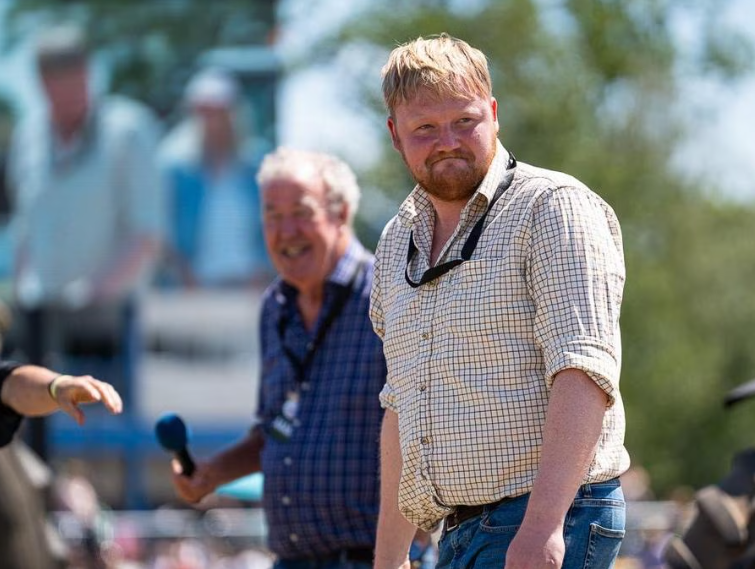
The smartest path would be to keep Kaleb central while allowing him room to grow. Clarkson’s Farm works best when it feels real, not forced. If Kaleb’s life is changing, the show should reflect that honestly. Fans do not need a manufactured exit storyline. They need a believable account of how success has changed the people at Diddly Squat.
So, is Kaleb Cooper really leaving Clarkson’s Farm? Based on current signs, a full departure does not appear to be the most likely outcome. What seems more plausible is a transition. Kaleb may remain part of the show, but his role could become more complex as his own career expands.
For Clarkson’s Farm, that could be a challenge. But it could also be an opportunity. Kaleb’s growing independence gives the series a fresh human angle: the story of a young farmer whose life has been transformed by television, yet whose identity remains rooted in the fields that made viewers love him in the first place.