Fans Amazed as Clarkson’s Farm Season 5 Launch Ceremony Turns Diddly Squat Into a Celebration of British Farming
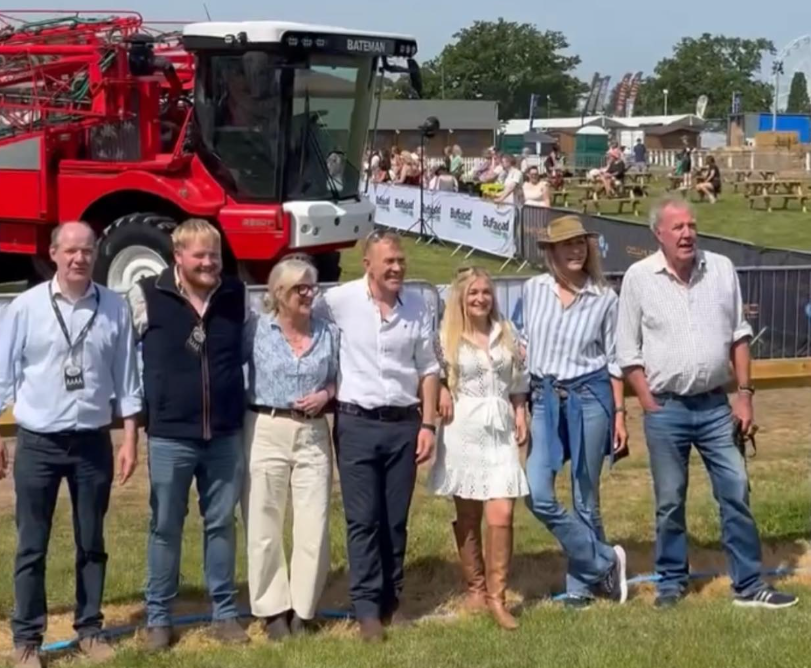
The launch of Clarkson’s Farm Season 5 has become more than a television event. According to the growing excitement among fans, the new season’s opening celebration at Jeremy Clarkson’s own farm has turned Diddly Squat into a symbolic stage for one of Britain’s most talked-about rural programmes.
For years, Clarkson’s Farm has built its success on the contrast between celebrity fame and the hard realities of farming. Jeremy Clarkson may have arrived at agriculture with little practical knowledge, but the series has grown into something much larger than a comic experiment. It has become a public window into the pressures facing farmers, the unpredictability of rural business, and the emotional bond between land, labour, and community.
That is why the idea of a grand Season 5 launch ceremony at Clarkson’s farm feels so powerful. It is not only a promotional event for Prime Video. It is a statement about how far the show has come. What began as a project about one broadcaster trying to run a farm has become a cultural brand with its own characters, loyal audience, and real influence on public conversations about British agriculture.
From an analyst’s perspective, holding a major launch event at Diddly Squat makes perfect sense. The farm is no longer just a filming location. It is the heart of the show’s identity. Fans do not simply watch Clarkson, Kaleb Cooper, Lisa Hogan, Charlie Ireland, Gerald Cooper, and the wider team because of the farming tasks. They watch because the place itself has become familiar. The fields, shop, machinery, gates, and weather all form part of the emotional landscape of the series.
A formal launch ceremony on the farm would therefore give viewers exactly what they want: the feeling that the new season is rooted in the real world they have followed for years. In television marketing terms, it turns a premiere into an experience. Instead of presenting Season 5 through a standard studio event, the show brings attention back to the mud, machinery, animals, produce, and local community that made it successful in the first place.
The reaction from fans also shows how strongly Clarkson’s Farm has changed Clarkson’s public image. Once best known for motoring shows and outspoken commentary, Clarkson is now equally associated with farming problems, planning disputes, weather setbacks, animal care, crop decisions, and the financial uncertainty of rural life. A grand ceremony at Diddly Squat would underline that shift. It would show Clarkson not simply as a presenter launching another series, but as the owner of a working farm that has become part of the national conversation.
Season 5 is likely to build directly on this atmosphere. After several seasons of learning, failure, improvement, and conflict with rules and economics, the new episodes may present Clarkson as a more experienced but still imperfect farmer. That is important. The series works best when he is not portrayed as suddenly mastering agriculture. Fans enjoy seeing his ambition collide with reality. If the launch ceremony presents the new season as bigger, more confident, and more polished, the episodes themselves may still return to the familiar pattern of practical setbacks and unexpected costs.
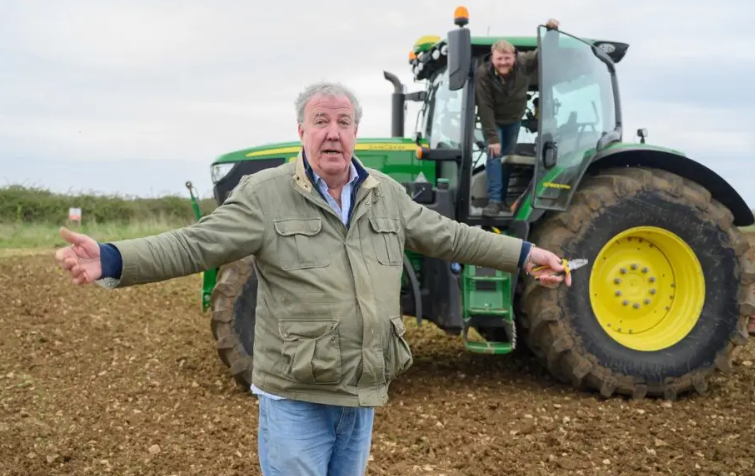
Kaleb Cooper’s role will also remain central to the show’s direction. His rise from local farm worker to television favourite has become one of the strongest parts of the Clarkson’s Farm story. If Season 5 opens with a major public celebration, viewers may see even more focus on how Kaleb balances fame with his identity as a farmer. The contrast between red-carpet attention and everyday agricultural work could become a strong theme.
Harriet Cowan may also benefit from the expanded spotlight. If the launch ceremony highlights the full cast rather than only Clarkson, it could signal a broader ensemble approach for Season 5. That would allow the series to develop more storylines around younger farming voices, teamwork, and the future of British agriculture. For a programme that has already turned supporting figures into fan favourites, this would be a logical next step.
There is also a business angle. Diddly Squat has become a media destination, a farm shop brand, and a symbol of rural entrepreneurship. A large launch event could increase interest in Clarkson’s products, the farm shop, local tourism, and related ventures. However, it may also bring renewed attention from critics who argue that the farm’s popularity creates pressure on local roads, planning systems, and village life. Season 5 may therefore explore the tension between success and responsibility.
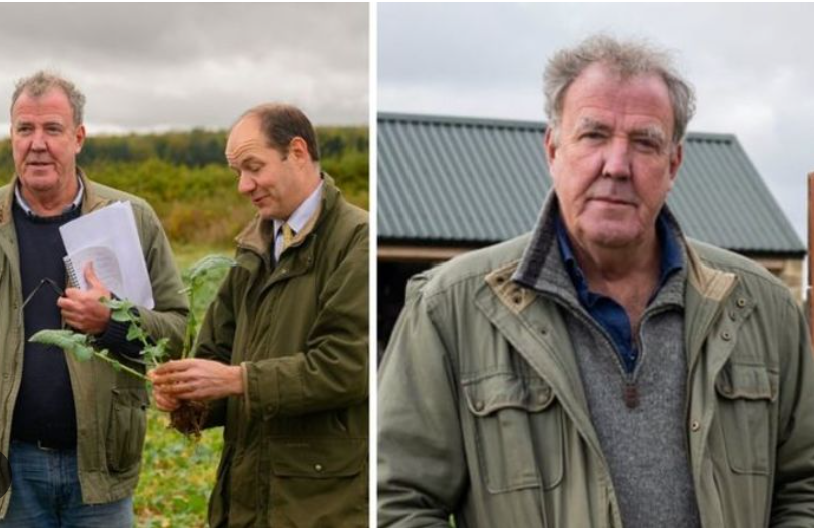
The most likely direction for the new season is a bigger focus on scale. Clarkson is no longer just trying to understand farming. He is managing the consequences of turning a farm into a public phenomenon. That brings opportunity, but it also brings scrutiny. A grand launch ceremony captures that exact turning point.
For fans, the event offers glamour, nostalgia, and anticipation. For analysts, it suggests that Clarkson’s Farm is entering a more mature phase. Season 5 may not simply ask whether Jeremy Clarkson can run a farm. It may ask whether Diddly Squat can survive becoming one of the most famous farms in Britain.
That is why the launch matters. It is not only about celebrating a new season. It is about marking the evolution of a show that has grown from a celebrity farming experiment into one of the most influential rural television stories of the decade.