Council insists it is ‘fair’ to Jeremy Clarkson as new season of Clarkson’s Farm hits screens
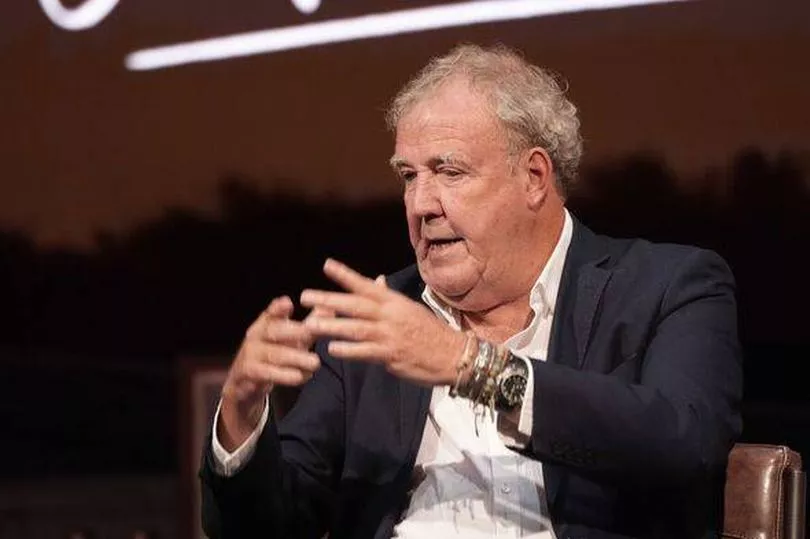
As Season 3 of Clarkson’s Farm arrives on screens, West Oxfordshire District Council once again finds itself in the public spotlight. The Amazon Prime series has continually highlighted Jeremy Clarkson’s battles to diversify operations at his Diddly Squat Farm, portraying the presenter-turned-farmer as a man attempting to innovate while facing persistent planning hurdles. But now, the council is pushing back, insisting that its actions have been fair, consistent, and rooted strictly in national and local planning law.
A Clash Years in the Making
Since taking over the farm and documenting his journey for television, Clarkson has tried to expand beyond traditional crop farming. His most ambitious initiative was the proposal to open a full restaurant on-site in Chadlington. Clarkson argued that such an establishment would provide essential income to keep the farm viable and would support a regenerative farming method known as mob grazing—a rotational system using cattle to restore soil health. According to Clarkson, the restaurant was not simply a business venture; it was the financial backbone necessary to introduce cattle in a sustainable way.
However, West Oxfordshire District Council rejected the proposal, citing concerns that the restaurant would drastically exceed the scale of the existing agricultural operation. Planners also argued it would be visually intrusive, potentially harm the tranquility of the picturesque countryside, and create traffic and environmental concerns for local residents.
Despite the refusal, Clarkson opened a café and restaurant in July 2022, claiming he had found a regulatory loophole that allowed him to operate. The council responded quickly, issuing an enforcement notice requiring the restaurant to close. Clarkson appealed, but in June 2023, the national planning inspectorate upheld the council’s stance, concluding that the restaurant constituted a harmful breach of planning control.
The Council’s Defense: “We Treat Diddly Squat Like Any Other Farm”
Faced with public criticism—much of it fueled by the show’s portrayal of bureaucratic obstruction—the council has now released a detailed statement defending its actions. Officials argue that they have consistently supported the farm’s development, approving numerous planning applications over the years, including a lambing shed, a barn, and the popular farm shop. They emphasized their support for rural diversification, stating that they want local farms to succeed and adapt.
However, the council maintains that it must enforce planning laws fairly, regardless of a landowner’s fame or media influence. When residents reported that the lambing shed was being used as an unauthorized restaurant, council officers said they had “little choice but to act.” An independent inspector later validated that decision, supporting the view that the restaurant had been opened without proper planning permission.
Still, the council acknowledges that Clarkson’s Farm has shed valuable light on the wider struggles faced by farmers across Britain—particularly those dealing with regulation, fluctuating income, and post-Brexit agricultural transitions. They insist that they remain willing to work with Clarkson, as long as he follows the required procedures.
Analysis: A Battle of Narratives With Real Consequences
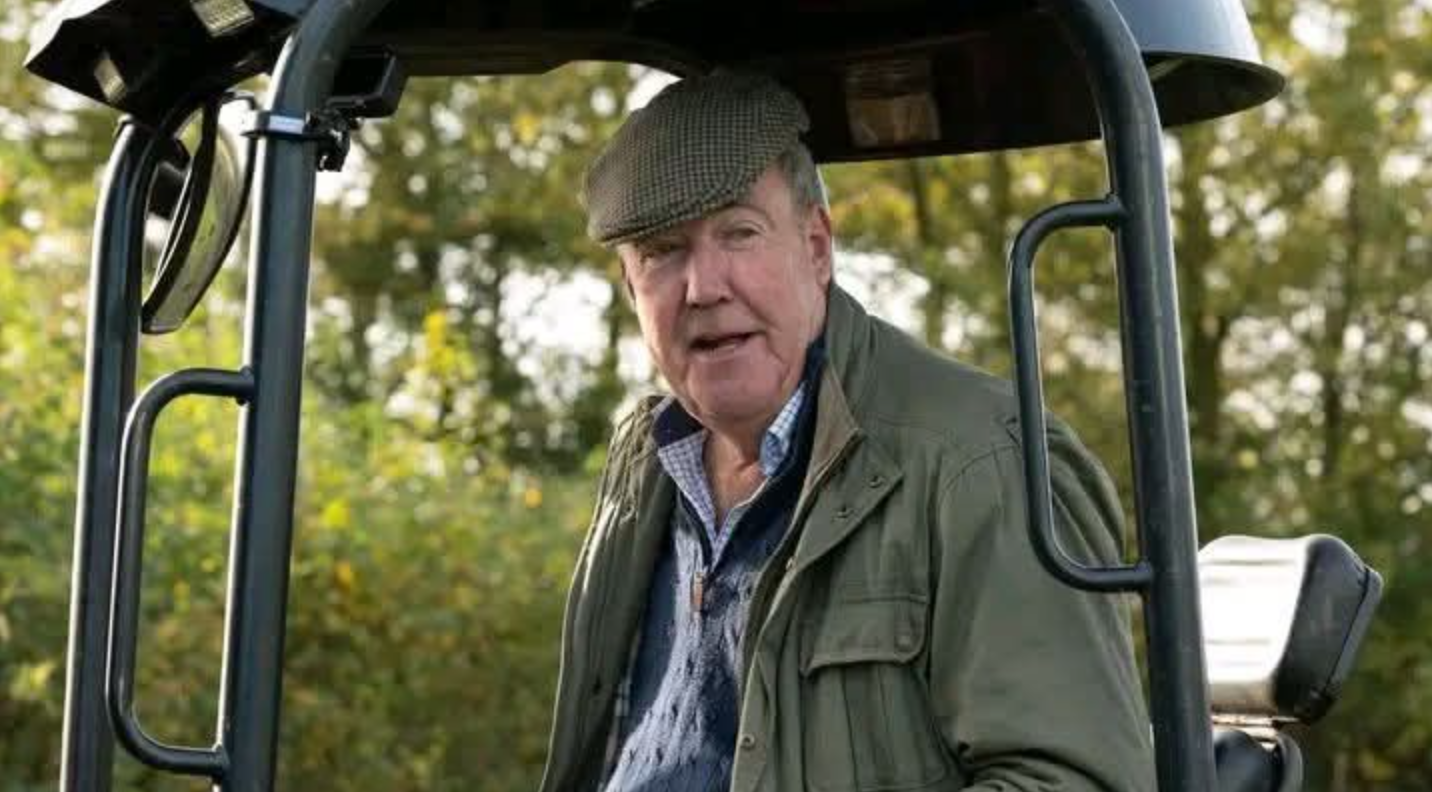
The tension between Clarkson and the council represents a broader clash between rural tradition and modern diversification. Across the UK, farmers are under increasing pressure to generate supplemental income through tourism, hospitality, and retail. Clarkson’s attempt to transition to a restaurant-supported cattle model is not unique—many farmers rely on similar ventures to survive.
However, Diddly Squat Farm occupies a sensitive position. Located in a protected rural environment, any major expansion backed by a celebrity personality attracts heightened scrutiny. Clarkson’s immense public influence complicates matters: when he criticizes the council on television, waves of supporters direct their frustration at local officials.
From the council’s perspective, allowing one high-profile landowner to circumvent rules could encourage others to push boundaries, undermining planning consistency across the district.
Predictions: What Might Happen Next?
Based on current developments and the long-running tension, several likely scenarios may unfold:
1. Clarkson May Submit a New, Scaled-Down Application
Given the council’s repeated claim that it supports diversification within reason, Clarkson could revise his restaurant proposal to a smaller, more clearly agricultural format—perhaps a limited farm-to-table kitchen tied directly to livestock sales. A scaled-back version with strong community benefits might stand a stronger chance.
2. Diddly Squat Could Shift Toward Outdoor, Seasonal, or Temporary Food Events
These types of events often fall under different categories of planning regulation and may allow Clarkson to offer food-based activities without opening a permanent restaurant. Pop-up events, mobile kitchens, or seasonal tastings could be legally feasible while still drawing visitors.
3. Increased Community Engagement to Ease Tensions
Clarkson may attempt to improve relations with local residents, whose complaints often trigger council action. Public open days, local hiring initiatives, or more controlled traffic management could help rebuild trust and reduce objections to future proposals.
4. The Council May Face Growing Pressure as the Show Expands
With each season, the show reaches millions of viewers, fueling global sympathy for Clarkson and scrutiny of the council. Continued public criticism may push local authorities to be more transparent, engage more with media, or clarify regulatory decisions more proactively.
5. Future Seasons of Clarkson’s Farm Will Likely Highlight New Legal and Agricultural Conflicts
Given the show’s narrative, planning drama is almost guaranteed to remain a central storyline. As Clarkson explores new diversification ideas—such as livestock expansion, tourism facilities, or renewable energy projects—further clashes or negotiations with the council seem inevitable.
A Tense Relationship With No Signs of Slowing Down
For now, the council maintains that its actions are justified, while Clarkson continues to frame his efforts as a battle to save his farm from regulatory barriers. What happens next will depend on whether both sides can find middle ground—or whether the drama continues to fuel one of the most compelling storylines in modern agricultural television.