Inside Clarkson and Kaleb’s Growing Battle for Britain’s Plate
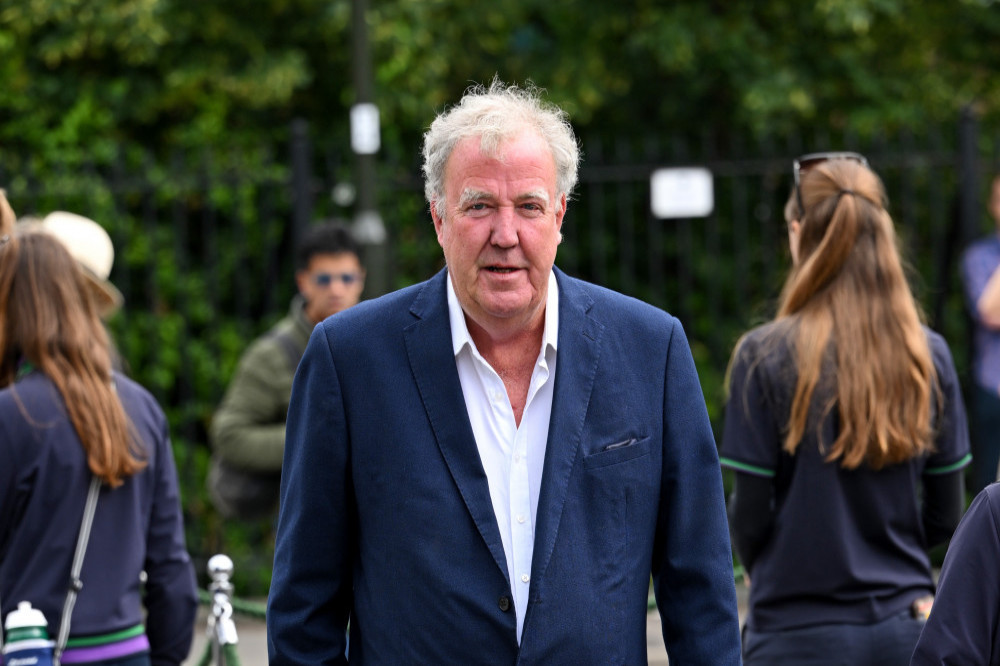
In the world of British farming, few names draw attention quite like Jeremy Clarkson and Kaleb Cooper. Once inseparable on-screen partners at Diddly Squat Farm, the pair have now stepped into new — and surprisingly rival — territory. Both have launched their own “farm-to-fork” businesses, aiming to bring homegrown British produce directly to the public.
But this isn’t just about beef, sausages, or who sells the better burger. According to experts, what’s unfolding could redefine how rural entrepreneurship and celebrity influence shape the future of British agriculture.
PR strategist Abi Bennetts from Launch PR explained the tension perfectly: “Jeremy Clarkson has carved out a niche as Britain’s best-known celebrity farmer. But his challenge now is proving he’s more than just a famous face in wellies. Kaleb, on the other hand, comes from the soil up — his authenticity resonates deeply with the farming community.”
That contrast — between celebrity persona and authentic roots — may set the stage for a fascinating and unpredictable competition.
The Rise of Two Brands: Fame vs. Authenticity
Clarkson’s Diddly Squat Farm Shop became a cultural phenomenon almost overnight. Viewers watched as the former Top Gear host stumbled, learned, and eventually succeeded through trial and humor. His natural storytelling, mixed with blunt honesty and controversy, built him an empire that extends far beyond the farm gates.
Now, Kaleb Cooper — the once shy but quick-witted farmhand who often scolded his boss for poor tractor skills — has launched his own company, Cooper Livestock Ltd. His business model mirrors Clarkson’s in structure, but not in spirit. Kaleb’s brand emphasizes tradition, craftsmanship, and family farming. His website proudly states:
“We’re a family-run farm in Chipping Norton, passionate about producing home-reared beef, lamb, and pork. From field to fork, everything we sell is raised with care and butchered locally to ensure the best quality and flavor.”
That message hits directly at the heart of what modern British consumers are craving — transparency, locality, and authenticity. It’s an approach that connects emotionally, not just commercially.
A Subtle Rivalry with Big Implications
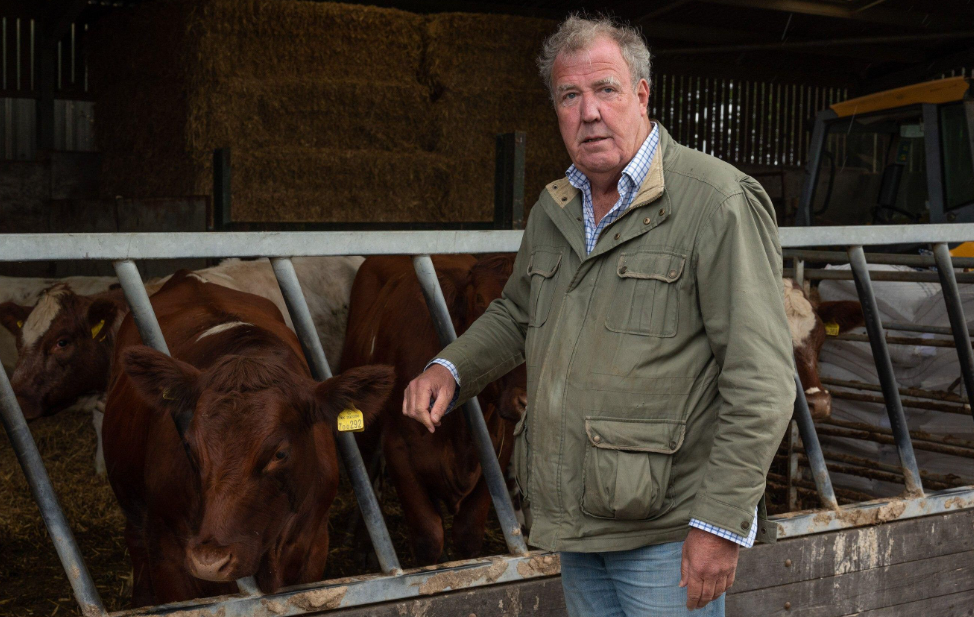
To some, this new competition might seem light-hearted — two friends pursuing parallel dreams. But in the agricultural marketplace, perception is power. Clarkson’s larger-than-life media presence brings mass exposure, while Kaleb’s grassroots credibility builds trust.
According to Bennetts, this balance could become Clarkson’s biggest challenge:
“If Clarkson leans too far into celebrity branding, he risks losing the authenticity that gives Kaleb such natural appeal.”
In simpler terms: Clarkson’s fame gets people watching, but Kaleb’s realism gets people buying. That tension could evolve into a friendly rivalry that fuels both their success — or a brand divergence that forces each to carve out distinct markets.
As seen on Gold Rush, when strong personalities lead separate crews, competition often sparks innovation — and drama. The same dynamic could unfold here: Clarkson pushing boundaries through marketing and spectacle, while Kaleb anchors his brand in quality and honesty.
The Bigger Picture: Farming Needs Both of Them
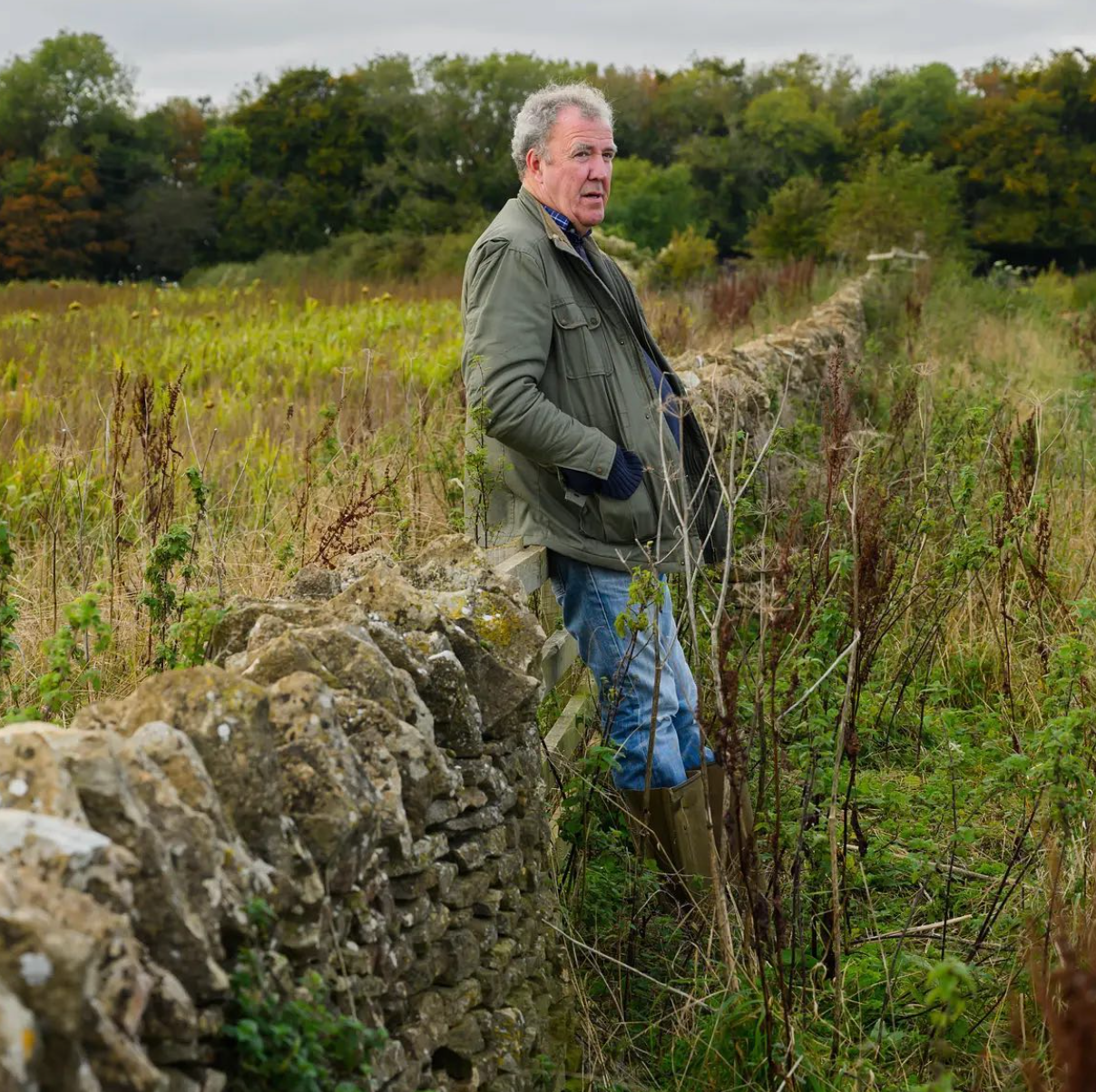
Beyond the headlines, this isn’t just a story of two men selling meat. It’s a reflection of a much larger crisis in British agriculture — one marked by rising costs, unpredictable weather, and tightening regulations.
Both Clarkson and Kaleb have become unlikely ambassadors for farmers across the UK. Through Clarkson’s Farm, millions have gained a raw look at the real struggles behind every loaf of bread and steak dinner. Their public platforms are giving farming a voice it’s long been missing.
Indeed, in an era where the average farmer struggles to stay afloat, two high-profile figures drawing national attention to the cause could create a ripple effect of awareness — and potentially policy change.
Forecast: Collaboration Before Conflict
If history is any guide — especially from the Gold Rush lens — rivalries in high-stakes industries often start with tension and end with alliance. Tony Beets and Parker Schnabel, for instance, began as competitors but later shared mutual respect as leaders driving the same mission: survival and success in a harsh business.
A similar arc could emerge between Clarkson and Kaleb. While fans love the tension, both men know that British farming’s future may depend more on cooperation than competition. A potential joint initiative — such as a co-branded event, charity campaign, or limited-edition product line — could transform this rivalry into a shared national movement for sustainable farming.
Until then, audiences will keep watching — not just for who sells the better steak, but for what this new chapter says about the next evolution of rural Britain.