Harriet Cowan Sets the Record Straight: What Clarkson’s Farm’s First Episode Really Showed
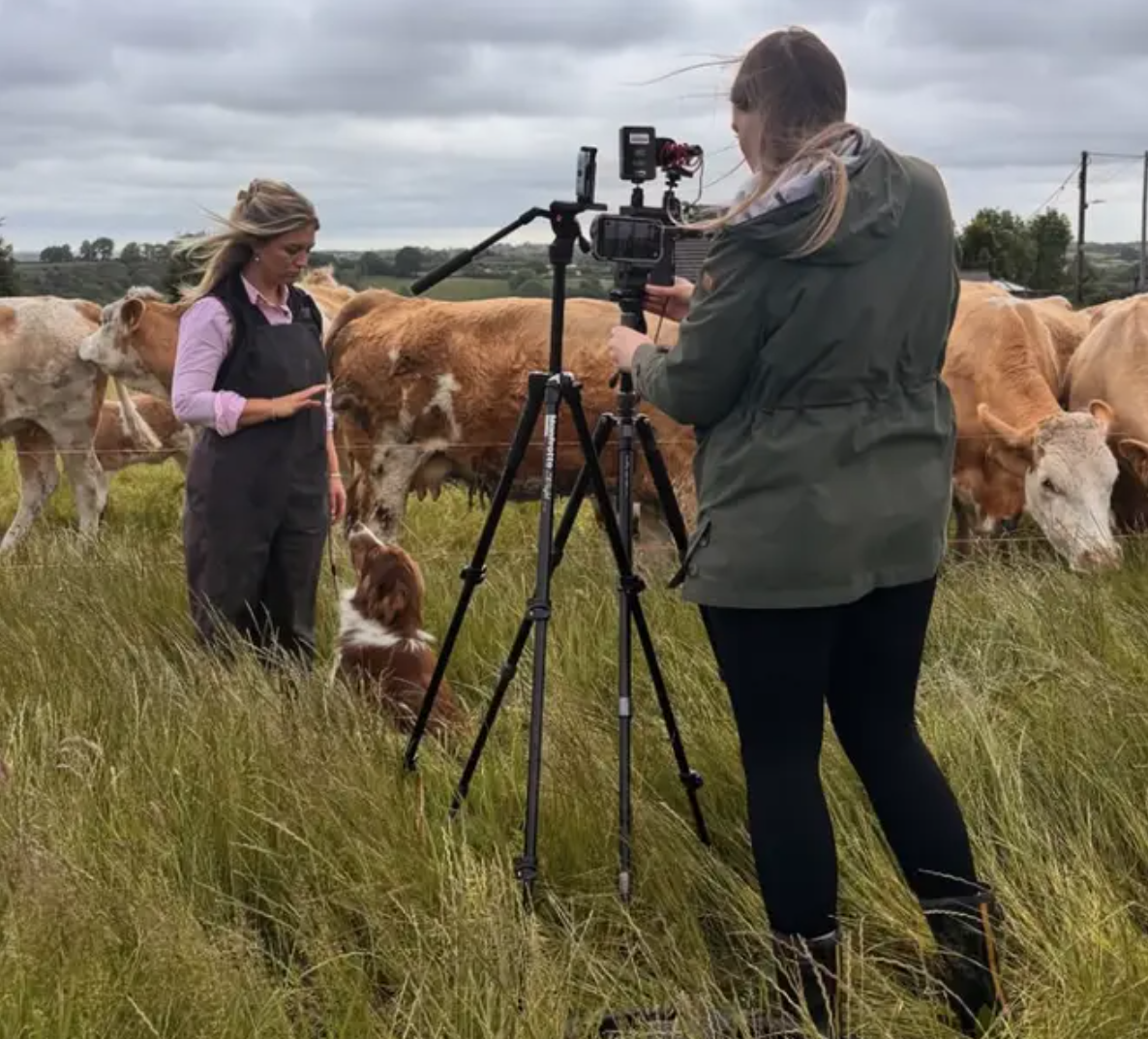
The premiere of Clarkson’s Farm Season Five opened with all the fanfare viewers have come to expect: sweeping shots of the Cotswolds countryside, Jeremy Clarkson at the helm, and the usual cast of colourful farmhands tackling everything from unruly livestock to unpredictable weather. Yet behind the idyllic portrayal, Harriet Cowan, a central figure on the show, has now revealed a truth that has left fans re-examining the opening episode: some of the footage they believed to be spontaneous was, in fact, staged.
Cowan’s candid disclosure comes at a time when reality television scrutiny has never been higher. While Clarkson’s Farm has long balanced authenticity with entertainment, the admission underscores the complex interplay between narrative construction and the realities of farm life. According to Cowan, several sequences, particularly those showcasing dramatic mishaps and interpersonal tension in the first episode, were deliberately orchestrated to heighten the drama for viewers. “It wasn’t malicious,” she explained, “but the timing of certain events was manipulated to make them more compelling on screen.”
For a show like Clarkson’s Farm, this revelation carries multiple implications. From a production standpoint, staged moments are not inherently unusual in reality television; they are part of the genre’s DNA, designed to keep audiences engaged while ensuring continuity and narrative flow. Yet for dedicated fans who pride themselves on the program’s blend of humor, education, and authenticity, such admissions can feel jarring. Cowan’s transparency, however, may mitigate backlash, presenting her as a credible voice willing to bridge the gap between the show’s constructed scenes and the real-life challenges of Cotswold farming.
Analytically, the decision to stage certain footage is likely driven by multiple considerations. First, farm life, particularly at Diddly Squat, is inherently unpredictable. A cow may not escape when expected, machinery might function without issue, and weather patterns are inconsistent. Producers, working under strict filming schedules, often cannot wait for spontaneous drama to unfold naturally. By engineering moments while maintaining the underlying truths—such as a challenging sheep roundup or a tractor mishap—they ensure that the season begins with energy and engagement, without misleading the audience about the broader farming reality.
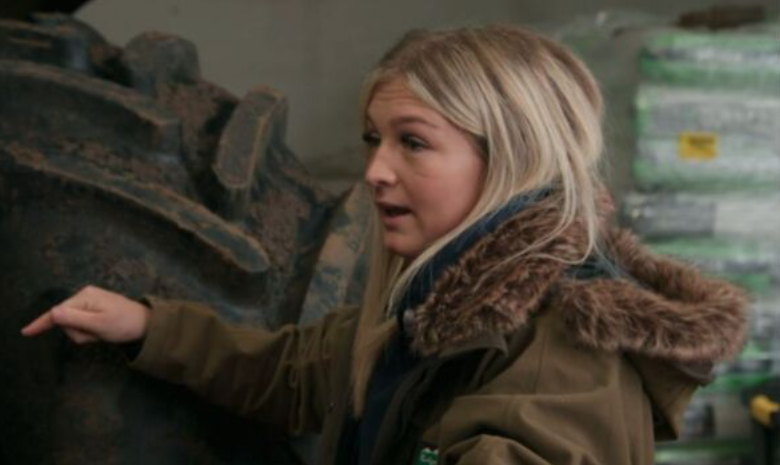
Yet this strategy also reveals the careful calibration of Clarkson’s Farm as a hybrid of documentary and entertainment. Unlike purely observational shows, the series thrives on a balance of education and amusement. Cowan’s revelation suggests that producers may increasingly lean into subtle scripting to maintain this equilibrium, particularly for high-stakes sequences involving public-facing challenges, such as market deliveries or festival events. Analysts predict that subsequent episodes may continue to blend staged setups with authentic farm tasks, but with greater narrative cohesion that highlights both the humor and the physical demands of rural life.
From a storytelling perspective, Cowan’s insights also shed light on character dynamics. Early episodes often present tension between Clarkson, Cowan, and other farmhands in highly visual ways—sometimes exaggerating disagreements or timing interruptions for comedic effect. By admitting these manipulations, Cowan humanizes the crew, reminding audiences that while conflicts may appear spontaneous, the participants’ genuine personalities and professional relationships remain intact. Future episodes may benefit from this context, as viewers recalibrate their expectations and engage with characters beyond the constructed drama, appreciating subtler, more authentic interactions.
The disclosure may also influence how fans interpret other elements of the show. Observant viewers could start scrutinizing sequences more critically, asking whether extreme weather incidents, mechanical failures, or exaggerated mishaps are entirely organic. This heightened awareness could, paradoxically, deepen audience engagement: rather than detracting from the viewing experience, understanding the mechanics of production adds a layer of meta-narrative intrigue, prompting fans to predict which events are orchestrated versus genuine. Analysts suggest that Cowan’s honesty could catalyze a new mode of engagement, encouraging discussions, social media debates, and analytical fan content that further boosts the show’s cultural footprint.
Looking ahead, the revelation raises questions about the show’s creative direction. Producers might embrace Cowan’s candor in promotional materials, highlighting transparency as part of the brand identity. This approach could strengthen viewer trust, counterbalancing skepticism that often arises from staged moments in reality programming. Alternatively, the team may recalibrate how much staging occurs, opting for sequences that are more visibly organic, relying on the natural unpredictability of farm operations to generate excitement. Either way, the early admission sets the stage for a season defined not just by Clarkson’s antics and farming challenges but by an underlying narrative of authenticity and disclosure.
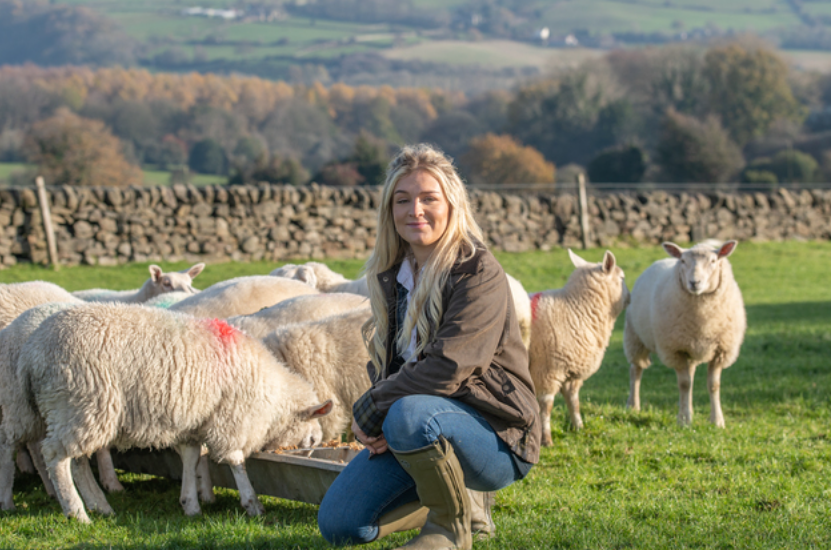
Finally, Cowan’s comments may influence audience perception of Clarkson himself. Known for his larger-than-life personality, Clarkson has often been at the center of both the show’s comedic tension and the public’s affection. By contextualizing staged footage as a collaborative, production-driven choice rather than a personal exaggeration, viewers may view him in a more nuanced light. Analysts predict that this could shift the audience’s focus from sensationalized mishaps to the genuine skill, leadership, and adaptability required to run a modern farm—elements that have long been central to the program’s appeal.
In conclusion, Harriet Cowan’s revelation about the “fake” footage in the first episode of Clarkson’s Farm Season Five offers a fascinating lens into the mechanics of reality television. Far from undermining the show, her transparency enriches it, inviting fans to engage critically while still enjoying the humor, unpredictability, and educational content that has made Clarkson’s Farm a cultural phenomenon. As the season unfolds, viewers can anticipate a careful balance between orchestrated narrative beats and genuine farming challenges, with Cowan and Clarkson steering the audience through a uniquely entertaining and authentic rural experience.