Clarkson’s Farm Spurs Legal Change: How Jeremy Clarkson Is Benefiting Farmers Beyond the Screen
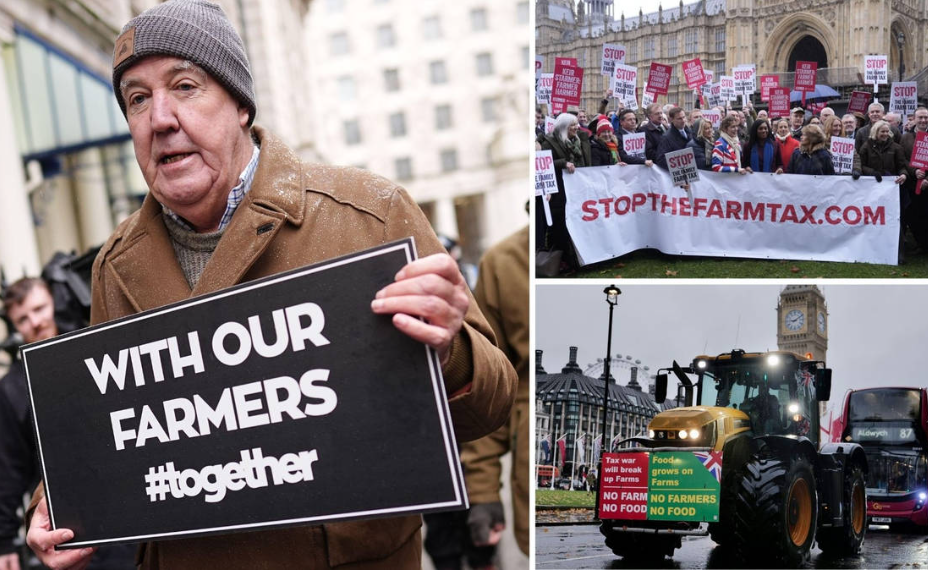
Clarkson’s Farm has long been celebrated for blending entertainment with a real-world portrayal of the challenges of modern farming. Yet beyond the humor, mishaps, and daily grind captured on Amazon Prime Video, Jeremy Clarkson and his team—including Lisa Hogan, Kaleb Cooper, Charlie Ireland, and Gerald Cooper—have managed to make a tangible impact on the agricultural community with the implementation of what is now being called Clarkson’s Law. Analysts observing the series and its ripple effects argue that this legislation, also referred to as Clarkson’s Clause, represents a significant step in reducing bureaucratic hurdles for farmers seeking to diversify income streams from disused farm properties.
The origins of Clarkson’s Law trace back to the experiences surrounding the Diddly Squat Farm shop and restaurant featured on the show. While the series has primarily entertained viewers with Clarkson’s trials managing livestock, crops, and staff, it has also highlighted the financial challenges inherent in farming. By documenting these struggles, Clarkson drew public attention to the broader structural and regulatory barriers that hinder farmers from innovating and generating supplementary income. The closure and subsequent relaunch of Diddly Squat’s restaurant became a real-life illustration of how bureaucracy can restrict economic potential—and ultimately spurred discussions with policymakers about easing restrictions on the use of disused farm buildings.
Clarkson’s Clause now allows farmers to convert unused agricultural structures into restaurants, shops, or other commercial ventures without the need for additional planning permission. Analysts note that this change significantly reduces both financial and administrative burdens, enabling farm owners to capitalize on assets that were previously non-revenue-generating. Furthermore, the clause also permits the creation of outdoor sporting areas and training centers without requiring additional approvals, offering farmers expanded opportunities for diversification and community engagement. For smaller farm operations, this legislative shift could mean the difference between struggling to maintain operations and establishing sustainable new revenue streams that supplement traditional farming income.
The impact of Clarkson’s Law has been widely praised. Public figures such as daytime TV hosts Cat Deeley and Ben Shephard have publicly lauded the changes, noting how they reduce unnecessary red tape and create pathways for younger generations to engage with agricultural and entrepreneurial activities. Government officials, including farming minister Mark Spencer, emphasized that the clause’s implementation streamlines bureaucracy and supports innovation in rural communities. Analysts observing these developments argue that the combination of media exposure, public advocacy, and real legislative change illustrates a new model for how entertainment properties can drive social and economic impact beyond viewership numbers.
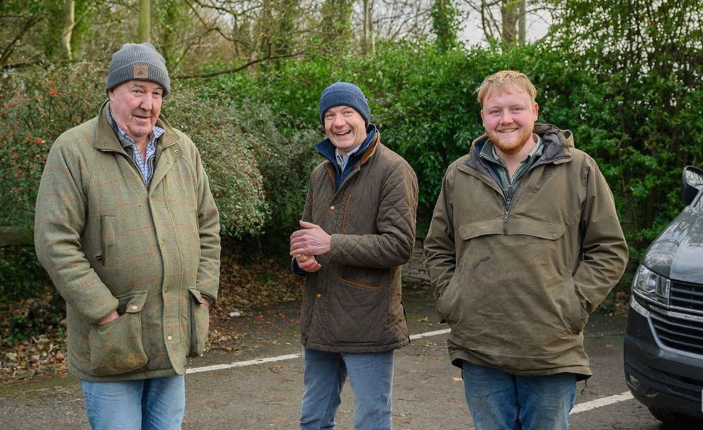
From a production standpoint, Clarkson’s Law also underscores the unique dual role of Clarkson’s Farm as both entertainment and advocacy. The series presents farming challenges in a comedic, engaging manner while also highlighting real-world issues such as labor shortages, financial constraints, and regulatory hurdles. By translating these challenges into tangible policy outcomes, the show demonstrates the potential for media to effect meaningful change in traditionally opaque sectors like agriculture. Analysts suggest that this fusion of storytelling and advocacy may serve as a case study for other reality series aiming to balance entertainment value with social impact.
Financially, the law offers substantial potential for farmers. Converting unused barns or storage facilities into shops or eateries can generate immediate revenue, while outdoor activity areas can provide long-term economic benefits through training programs, community events, or agritourism initiatives. For example, a farm that previously relied solely on livestock or crop production could now host workshops, guided farm tours, or seasonal markets, significantly diversifying income. Clarkson’s efforts in highlighting these possibilities serve as both inspiration and proof of concept for rural entrepreneurs seeking innovative ways to remain financially viable.
The implications extend beyond immediate revenue opportunities. Analysts predict that increased diversification could strengthen rural economies, attract tourism, and encourage younger individuals to engage in farming careers. By reducing barriers and facilitating innovation, Clarkson’s Law may also influence broader agricultural policies and planning frameworks, signaling a shift toward more flexible, farmer-friendly regulations across the UK. This legislative change positions Clarkson’s Farm not merely as a television series but as an influential platform for shaping public perception and policy regarding modern farming challenges.
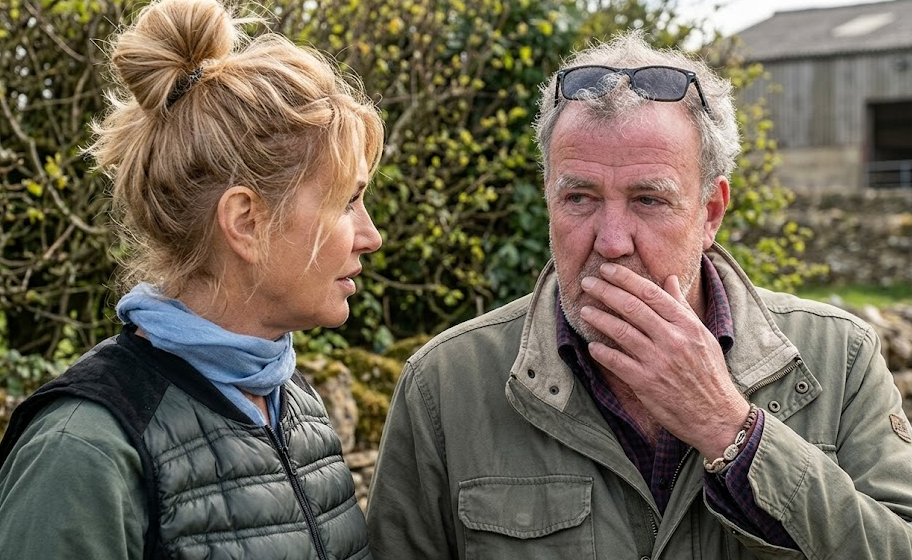
Looking ahead, the practical applications of Clarkson’s Clause are likely to be numerous. Farmers may leverage the law to experiment with new business models, such as specialty food production, local farm-to-table initiatives, or event-based revenue streams. Additionally, the visibility of successful ventures inspired by Clarkson’s Law could encourage other policymakers to consider similar regulatory adjustments, creating a ripple effect that strengthens the agricultural sector at large. Analysts also highlight that as these new ventures take hold, the show’s narrative may evolve to highlight success stories and innovative adaptations by farmers across the region, blending inspiration with education for viewers.
In conclusion, Jeremy Clarkson’s influence extends far beyond the entertainment value of Clarkson’s Farm. Through Clarkson’s Law, he has turned the experiences of Diddly Squat Farm into a legislative catalyst, empowering farmers to convert underused buildings into profitable enterprises without facing bureaucratic obstacles. Analysts predict that the law will foster diversification, enhance rural economic resilience, and inspire the next generation of farmers to explore creative income streams. For viewers and rural communities alike, the initiative demonstrates how media visibility, combined with targeted advocacy, can create lasting impact on industries traditionally resistant to change. Clarkson’s efforts thus illustrate that reality television can not only entertain but also drive meaningful, practical outcomes for real-world stakeholders.