Rick Lagina Breaks Silence on the Biggest Oak Island Discovery Ever—$350 Million Treasure Confirmed!

In nearly two decades of televised exploration, The Curse of Oak Island has delivered twists, tantalizing clues and moments that kept viewers holding their breath. Yet nothing has stirred as much excitement — or skepticism — as the recent revelation from Rick Lagina that a treasure valued at $350 million has been confirmed on Oak Island. Coming from a man whose life mission has been to solve one of history’s most enduring mysteries, this statement is seismic. As an analyst of the series, this is not merely about the numbers; it’s about how this claim fits into Oak Island’s intricate web of archaeology, lore and production strategy.
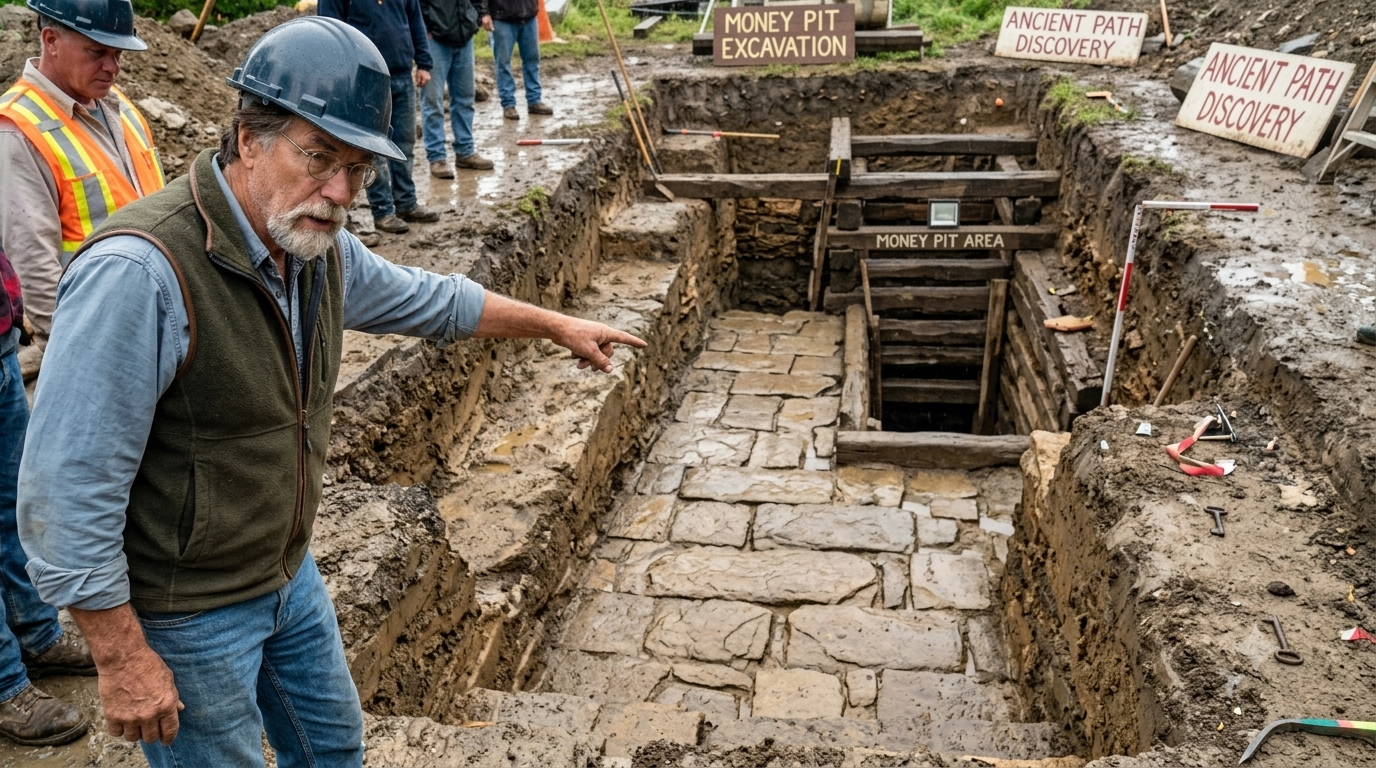
From the outset, Oak Island has been a narrative of incremental discovery. The Meager Island swamp, the Money Pit, the enigmatic flood tunnels, stone markers, inscribed tablets and cryptic borehole findings all served to build narrative tension. Each season tiptoed toward the promise of something monumental, only to delight and frustrate viewers in equal measure. But a $350 million treasure is not incremental. It is epochal, sharply redefining the stakes of the hunt and the public’s expectations.
What Could Constitute a $350 Million Treasure?
The first analytical question is: what qualifies as treasure worth $350 million? Traditional lore suggests gold, jewels, religious artifacts, historical manuscripts and relics of immense cultural significance. Inventorying possible treasure classes, three scenarios emerge:
- Gold Bullion or Precious Metals: Massive caches of gold coins, bars or jewelry could legitimately approach this valuation, especially if historic in provenance. Such deposits would undoubtedly have economic as well as archaeological value.
- Priceless Artifacts and Relics: Objects such as antiquities tied to major historical figures or civilizations (e.g., Templar relics, lost Viking treasures, early colonial artifacts) might be valued not simply in dollar terms but in cultural and historical significance that insurers and auction houses assign high valuations.
- Mixed Storied Cache: A combination of high‑grade gold, precious gemstones, rare historical documents and ceremonial objects. This basket approach would amplify total value while feeding into Oak Island’s longstanding narrative of historical complexity, not simple monetary gain.
Rick Lagina’s phrasing is critical. He said treasure confirmed, not gold found. That opens interpretative latitude. Treasure could mean a verified historical artifact of immense worth, a document rewriting a chapter of history, or even a geological anomaly with commercial value. The wording leaves room for nuanced interpretation that won’t immediately deflate viewer enthusiasm.
Why Now? The Timing of the Announcement
Timing in televised storytelling matters. A major discovery like this, publicly confirmed by Rick Lagina, achieves several layers of impact:
- Revitalizing Viewership: After many seasons of high curiosity and occasional viewer fatigue, such an announcement reignites engagement and expands audience reach.
- Production Momentum: A confirmed treasure provides narrative fuel for multiple seasons, allowing the show to transition from speculative investigation to methodical excavation and recovery.
- Skepticism Versus Proof: Because few discoveries to date have yielded unequivocal treasure, the announcement forces the production team to present irrefutable evidence. Expect episodes dedicated to documentation, expert verification and transparent valuation processes.
From a production analyst perspective, the announcement likely coincides with a major filmed breakthrough — perhaps a previously sealed chamber, a cache of artifacts, or a geological anomaly verified by independent specialists.
Potential Developments and Narrative Arcs
If the $350 million treasure claim holds, several predictable developments are likely:
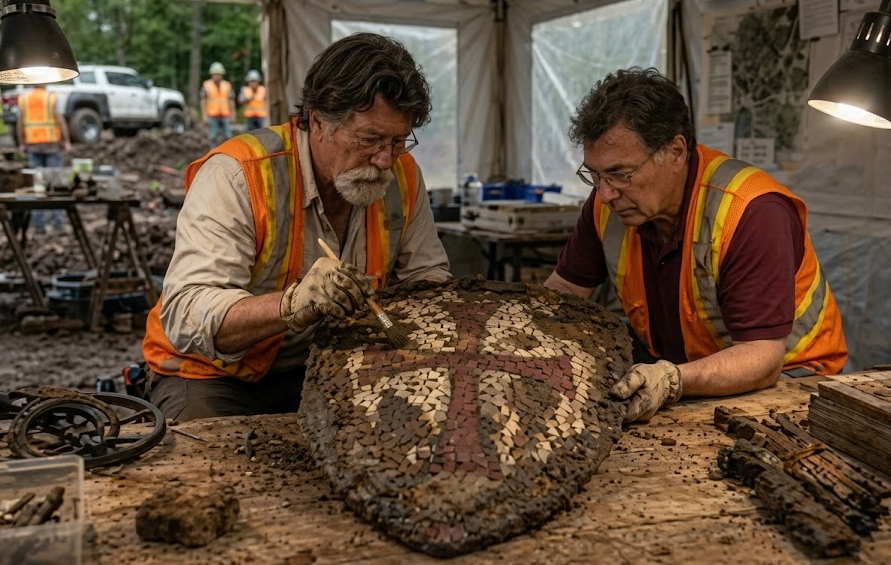
- Expert Collaboration: Leading archaeologists, historians and geologists will be brought in to authenticate finds. Viewers can expect camera time given to carbon dating labs, isotopic analysis experts and artifact conservators. These segments not only deepen the show’s credibility but also educate audiences.
- Expanded Excavation: The team will likely open new dig sites or re‑open historically significant locations with refined technology. Robotics, ground‑penetrating radar, thermal imaging and micro‑drilling are tools The Curse of Oak Island has only briefly showcased. A confirmed treasure legitimizes their sustained use.
- Conflict and Consensus: Reality television thrives on interpersonal tension as much as on discoveries. Differing opinions between Rick Lagina, Parker Schnabel and archaeological consultants about the next steps could provide narrative complexity. Some may advocate for cautious excavation to preserve context; others might push aggressive recovery to secure the treasure.
- Historical Rewriting: A confirmed treasure of such magnitude will inevitably lead to pressure from academic circles to publish findings, preserve context and involve museums or historical institutions. This shift from private probe to public heritage could be a recurring thematic thread.
Viewer Expectations and Skepticism
While enthusiasm will surge, so will skepticism. Longtime Oak Island followers may question the basis of the valuation. How was the $350 million figure calculated? Who authenticated it? What portion is commercially appraisable versus historically priceless? These questions are unavoidable and likely to be addressed in forthcoming episodes, both to maintain credibility and to satisfy discerning viewers.
Additionally, the potential legal and ownership implications loom large. Oak Island is privately held land. Who legally owns the treasure? What portion goes to landowners, investors, government authorities and the production entity? These practical questions may become focal points of future episodes, introducing legal drama into the archaeological hunt.
Looking Ahead: Predictions for the Series’ Direction
Analyzing past patterns and the current announcement, here are strategic predictions for The Curse of Oak Island:
- Multi‑Season Arc: The confirmed treasure becomes the anchor storyline for at least two to three additional seasons.
- International Interest: If artifacts of global historical significance are involved, expect expert panels with international scholars and outreach beyond North America.
- Transparency Episodes: Viewers will see deep dives into valuation, conservation labs and scientific methods behind treasure authentication.
Most importantly, Rick Lagina’s announcement shifts The Curse of Oak Island from mystery speculation to documented discovery. For analysts and fans alike, this is the kind of turning point that reshapes not just a television season but the entire legend of Oak Island.
In the treasure hunt universe, few revelations carry as much weight as a confirmed find of extraordinary value. If Rick Lagina’s statement proves accurate, The Curse of Oak Island may finally be entering the chapter that generations of treasure hunters have dreamed about: discovery anchored not in legend, but in undeniable, tangible evidence.