TRACES OF A STONE PATH AND ANCIENT STONE ARTIFACTS DISCOVERED FROM EXCAVATING THE OAK ISLAND SWAMP
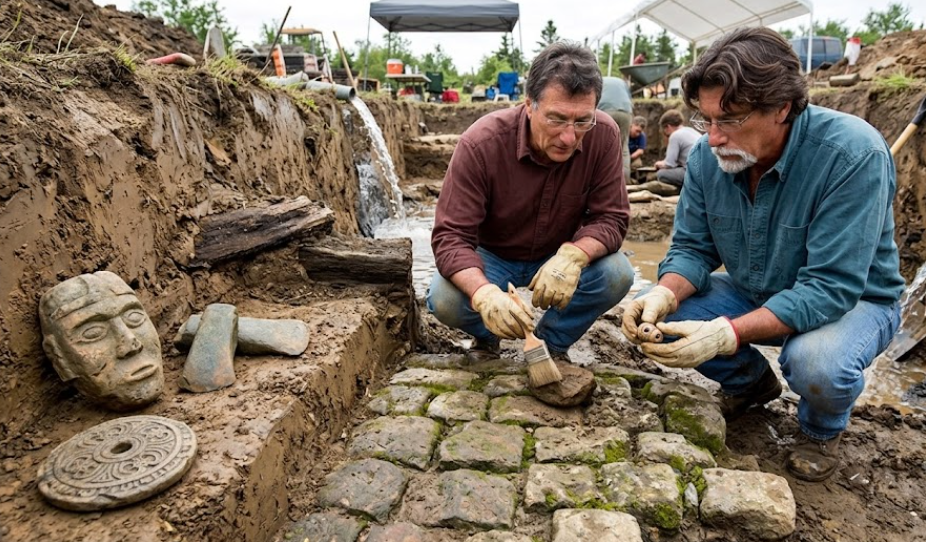
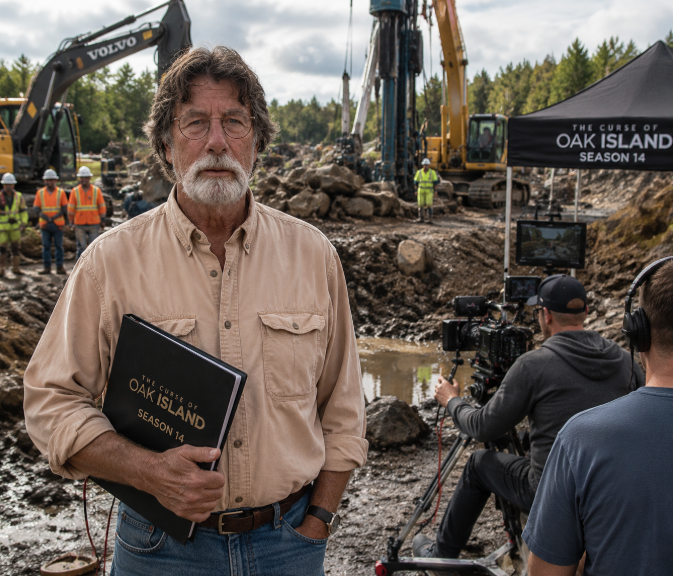
A fresh wave of discoveries emerging from the Oak Island swamp excavation has once again intensified debate surrounding one of North America’s longest-running mysteries. The detection of what appears to be a structured stone pathway, combined with the recovery of ancient stone artifacts, is now being interpreted as potential evidence of deliberate engineering activity beneath the island’s most enigmatic terrain.
From an analytical standpoint, this development represents more than isolated finds—it suggests the possibility of a coordinated construction system extending across the swamp, potentially connected to previously identified features such as the stone road and nearby shoreline anomalies.
A SWAMP THAT MAY NOT BE NATURAL
The Oak Island swamp has long been considered one of the most suspicious geographical features on the island. Unlike typical wetland formations, its shape, boundaries, and internal composition have repeatedly raised questions among researchers.
Recent excavation activity has now introduced a critical new element: indications of a linear stone alignment beneath sediment layers, consistent with a constructed pathway rather than natural rock displacement.
If confirmed, this would significantly strengthen the theory that the swamp was artificially modified—possibly to facilitate controlled transport or concealment operations.

In The Curse of Oak Island context, this aligns with long-standing hypotheses suggesting that the swamp may have been engineered to support maritime unloading or logistical transfer systems linked to the Money Pit complex.
STONE PATH INDICATORS AND STRUCTURAL ALIGNMENT
Field observations from the excavation team indicate the presence of what appears to be structured stone placement beneath layers of peat and sediment. The arrangement suggests intentional alignment rather than random geological formation.
Key analytical points include:
- Linear stone positioning inconsistent with glacial or tidal deposition
- Layered sediment disruption suggesting prior excavation or backfilling
- Proximity to previously identified stone road segments
- Structural consistency across multiple excavation points
From an archaeological engineering perspective, such patterns typically indicate human intervention, particularly when aligned with suspected transportation routes.
If this interpretation holds, it would imply that the swamp was integrated into a broader infrastructure system rather than being a natural barrier.
ANCIENT STONE ARTIFACTS: FUNCTION OVER FORM
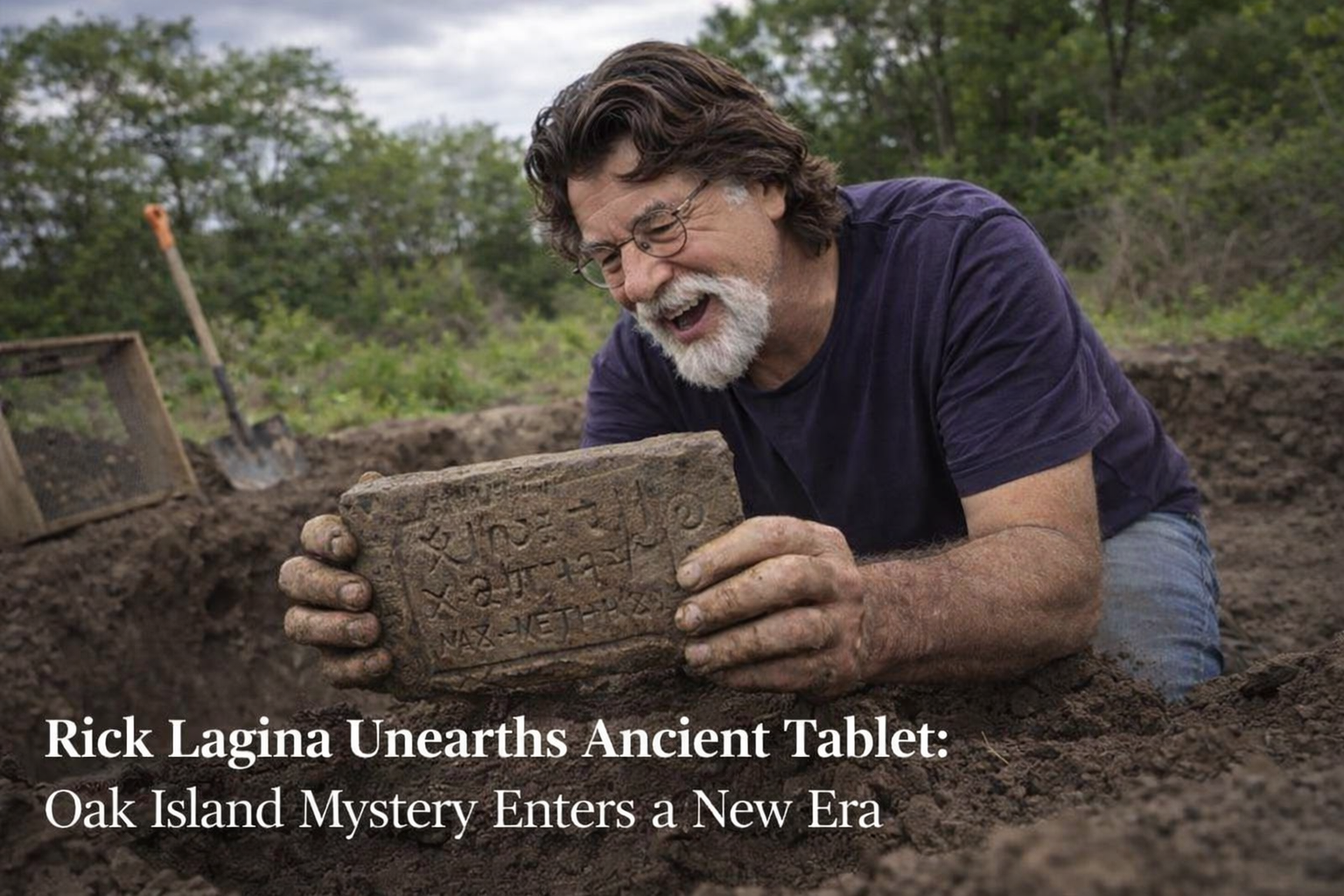
Alongside structural indicators, the excavation team has recovered a collection of stone artifacts whose purpose remains under analysis. While not yet fully classified, preliminary assessments suggest they may not be decorative or incidental objects.
Instead, analysts are considering functional roles such as:
- Anchoring or weight distribution components
- Structural supports for wooden platforms or docks
- Boundary markers for controlled construction zones
- Tools or remnants from heavy-lift maritime operations
The presence of such artifacts within a concentrated area further supports the theory that this location may have served a structured operational function rather than being a naturally evolving wetland.
CONNECTING THE DOTS: SWAMP, ROAD, AND SHIP THEORY
One of the most significant implications of these findings is the strengthening connection between three major Oak Island features:
- The swamp excavation zone
- The suspected stone road
- The nearby shoreline and brackish bog interface
When analyzed collectively, these features form a potential corridor system that could have been used for transporting materials from watercraft inland.
This supports a long-discussed theory within The Curse of Oak Island analysis community: that the swamp may have functioned as a controlled landing and transfer site, possibly constructed to move valuable cargo away from public visibility.
The alignment of stone structures across these zones adds weight to the hypothesis of a coordinated engineering effort.
ANALYST PERSPECTIVE: HUMAN DESIGN OR NATURAL ANOMALY?
From a geological standpoint, natural processes can sometimes mimic structured formations. However, the combination of stone alignment, sediment inversion, and artifact clustering significantly reduces the probability of purely natural explanation.
The most plausible working theories now include:
1. ENGINEERED MARITIME PLATFORM THEORY
The swamp was intentionally modified to support docking and cargo transfer activities.
2. CONCEALED TRANSPORT CORRIDOR THEORY
A hidden system was constructed to move materials inland from shoreline access points.
3. MULTI-PHASE CONSTRUCTION THEORY
The swamp was altered in stages over time, reflecting evolving operational needs.
Each theory carries significant implications for understanding Oak Island’s broader archaeological narrative.
WHY THIS DISCOVERY MATTERS NOW
Unlike earlier isolated finds, this discovery introduces spatial continuity—a key factor in archaeological validation. When artifacts and structures begin to align across a landscape, the probability of intentional design increases substantially.
For The Curse of Oak Island investigation, this may represent a turning point in how the swamp is interpreted—from a mysterious geological feature to a potential engineered site.
It also reinforces the idea that Oak Island’s hidden structures may not be limited to vertical depth (the Money Pit) but extend horizontally across the island’s geography.
FUTURE EXCAVATION PRIORITIES
Based on current findings, analysts anticipate the following investigative directions:
- Expanded trenching along suspected stone alignment corridors
- Subsurface scanning to map potential continuation of the path
- Artifact classification and material composition analysis
- Correlation with previously discovered swamp anomalies
The goal will be to determine whether the stone path forms part of a larger navigational or transport system.
CONCLUSION: A LANDSCAPE REVEALING INTENT
The discovery of stone path traces and ancient stone artifacts in the Oak Island swamp adds another compelling layer to an already complex investigation.
While definitive conclusions remain premature, the convergence of structural alignment, artifact concentration, and geographical positioning strongly suggests intentional design rather than random natural formation.
From an analytical perspective, the swamp is increasingly being redefined—not as a barrier, but as a constructed environment with purpose.
As Rick and Marty Lagina’s team continues excavation, one central question now emerges with greater urgency than ever:
Was the swamp simply a mystery of nature—or a deliberately engineered gateway to something far more significant beneath Oak Island?