Discovery of 17th-century leather shoes: Oak Island investigators have confirmed the identity of the island’s first owner.

For more than a decade, The Curse of Oak Island has trained viewers to look carefully at the smallest objects pulled from the ground. A coin, a nail, a fragment of wood, or a piece of leather can suddenly become the center of a much larger historical debate. But the reported discovery of a 17th-century leather shoe may represent something more personal and potentially more revealing than many previous finds.
Unlike metal objects, which can travel through trade, be lost by searchers, or be moved by later activity, a shoe suggests direct human presence. It points to someone walking, working, living, or hiding something on the island. If Oak Island investigators are now close to identifying the first known owner connected to this object, the discovery could shift the focus of the mystery from treasure alone to the identity of the people who first shaped the island’s hidden history.
From a television analysis perspective, this is exactly the kind of artifact that The Curse of Oak Island uses to deepen the narrative. The series has always balanced two questions: what is buried on Oak Island, and who put it there? The second question may now become more important than ever. A 17th-century shoe does not simply suggest old activity. It places a human figure into the timeline — someone who may have arrived long before the famous searcher era began.
The key issue will be dating and context. If the leather has been professionally examined and placed in the 1600s, the team will likely treat it as a major timeline clue. The 17th century is especially intriguing because it opens several possible historical paths. The shoe could point toward early European presence, colonial activity, military movement, privateering, trade networks, or even early settlement connected to Nova Scotia’s complex Atlantic history.
For Rick and Marty Lagina, this kind of find would be more than exciting. It would be strategically important. Over the years, the team has often relied on artifacts to support the idea that Oak Island was active long before the 1795 discovery story. A 17th-century leather shoe could strengthen that argument, especially if it was found in a location linked to older underground works, the swamp, the Money Pit area, Lot 5, or the Garden Shaft.
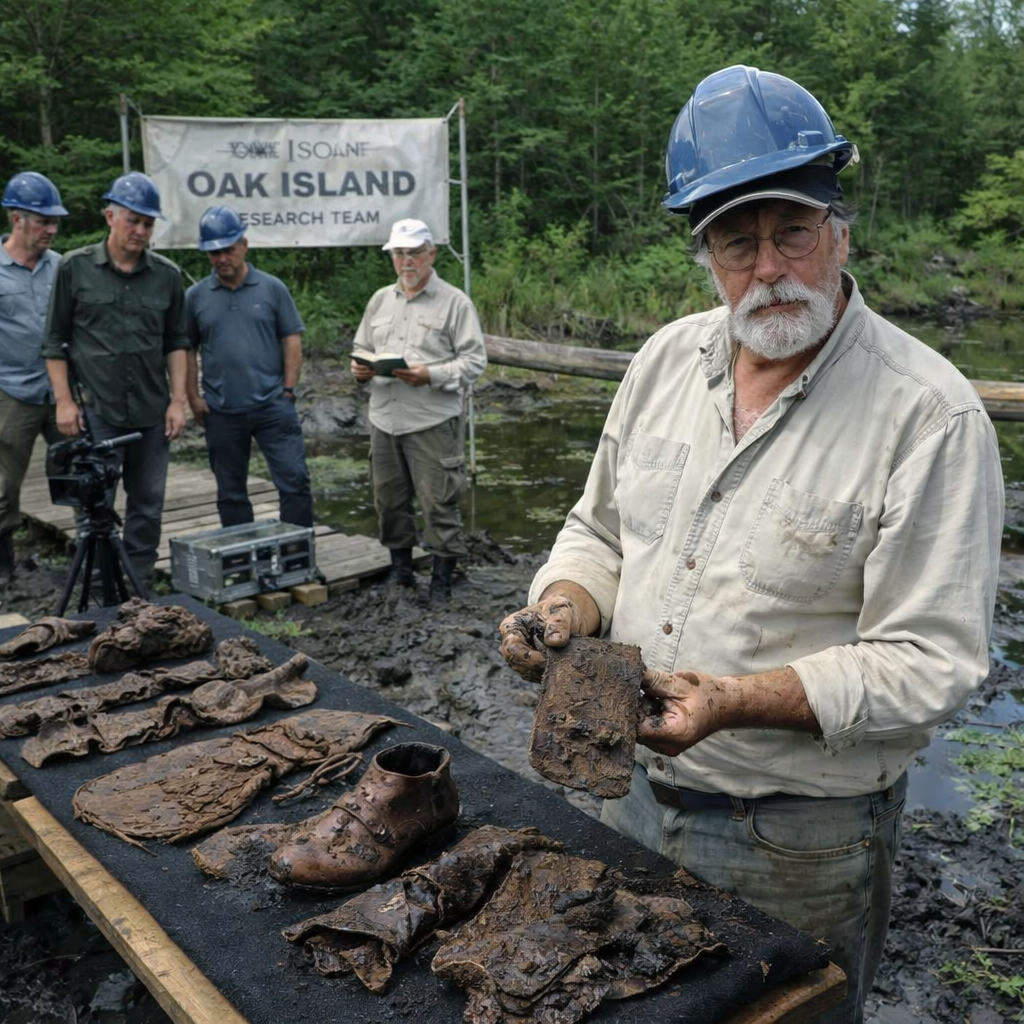
The phrase “the first owner of the island” must be treated carefully. In historical terms, ownership is complicated. Oak Island existed within Indigenous territory long before European land records, private ownership, or treasure legends became part of the story. If the show claims to have identified an early documented owner, that would likely refer to the first traceable European landholder or one of the earliest recorded individuals tied to the island. A responsible episode would need to make that distinction clear.
That said, the dramatic power of the discovery is obvious. A shoe is intimate. It is not just a clue; it is a trace of a person. Viewers can imagine someone crossing the island centuries ago, perhaps involved in construction, transport, hiding valuables, or participating in an operation that later became buried under legend. This emotional connection could make the artifact one of the season’s strongest storytelling anchors.
The next likely development would be a laboratory sequence. The team may send the leather for material analysis, tanning-method examination, stitching comparison, or conservation review. Experts could examine the shape of the sole, the construction style, and the wear pattern. If enough detail remains, they may compare it with 17th-century European footwear, possibly linking it to British, French, Dutch, or other Atlantic-world designs.
This is where the show could build major suspense. If the shoe’s style matches a particular region or occupation, it could narrow the list of possible owners. A military-style boot fragment would suggest one path. A working man’s shoe would suggest another. A finer leather shoe could point toward a person of status. Each possibility would change how the team interprets the island’s early activity.
The identification of a possible owner would likely come through historical records rather than the shoe alone. The team may search land grants, colonial maps, estate records, shipping documents, military papers, or early settlement archives. If a name emerges, the show could frame that person as a new central figure in the Oak Island timeline. The question would then become whether this individual had the motive, resources, and access to be connected to the island’s deeper mystery.
For fans, the most exciting possibility is that this discovery could connect physical evidence with a documented person. Oak Island has produced many clues that seem meaningful, but the hardest part has always been linking them to a clear historical actor. A named owner would give the team a new direction. Instead of asking only where the treasure is, they could begin asking what this person knew, what he controlled, and why he may have been on the island.
However, the show will also need to avoid overstating the evidence. A 17th-century shoe does not automatically prove treasure, tunnels, or a secret deposit. It proves, at most, human activity within a certain period — and only if the dating is reliable. The artifact could have been lost by a worker, visitor, settler, soldier, or later searcher using older material. Oak Island has been disturbed many times, and context matters as much as the object itself.
Still, the potential impact on the season is significant. If the shoe is tied to an early owner, future episodes may shift toward historical investigation. Rick Lagina would likely focus on the symbolic meaning of the find, seeing it as another sign that the island’s story reaches further back than skeptics believe. Marty Lagina, always more cautious, may push for documentation, dates, and scientific confirmation before drawing larger conclusions. Gary Drayton would likely emphasize the excitement of finding an artifact with a direct human connection, while the research team could pursue archival leads.
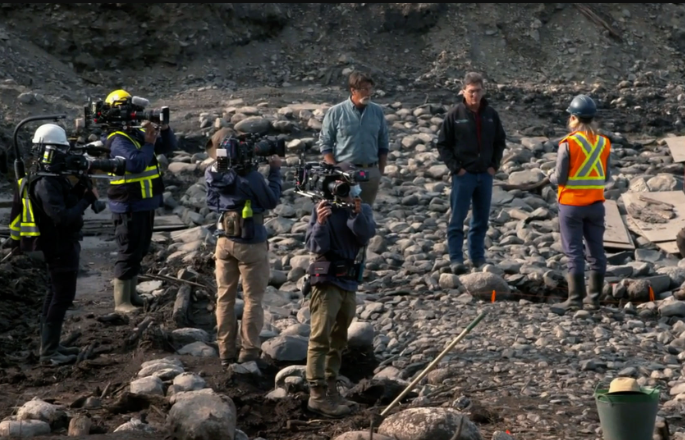
The Garden Shaft may also become even more important. If the shoe was discovered near an area already believed to contain old human activity, the team may interpret it as supporting evidence for earlier work underground. That could renew focus on whether the shaft connects to original structures, older searcher tunnels, or something much more deliberate.
From a narrative standpoint, this discovery gives The Curse of Oak Island a powerful new question: not just “what is buried there?” but “who was there first?” That is a smarter and more sustainable direction for the series. Treasure may remain uncertain, but identity, timeline, and human motive can create a deeper historical mystery.
If the reported shoe discovery leads to a credible name from the 17th century, Season 13 could become less about chasing one final treasure chest and more about reconstructing the earliest chapter of Oak Island’s hidden past. And for a mystery that has survived more than 200 years, finding the person behind the footprint may be almost as important as finding the treasure itself.