New evidence suggests Oak Island was built to protect something else: a massive, well-hidden tomb.
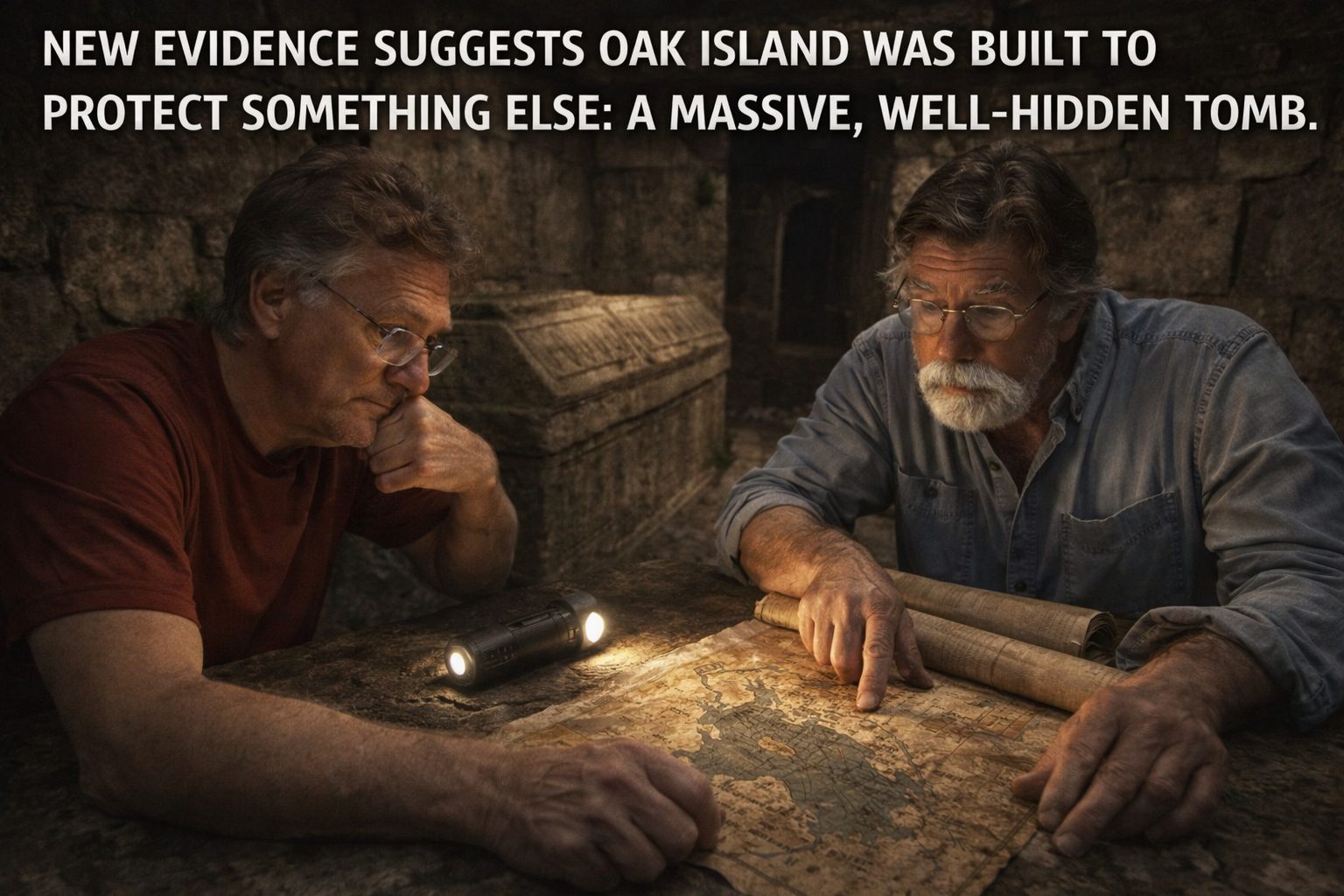
For decades, Oak Island has been synonymous with buried treasure, pirate legends, and tantalizing artifacts. Yet, new evidence emerging from ongoing excavations suggests that the island may have been built to protect something far more enigmatic: a massive, well-hidden tomb. If confirmed, this revelation could fundamentally reshape how historians, archaeologists, and fans of The Curse of Oak Island interpret the site. Analysts now face the task of understanding not just the engineering feats of the Money Pit and surrounding structures, but the cultural and historical context that might have inspired their construction.
The discovery stems from a combination of advanced scanning technology, careful stratigraphic analysis, and historical research conducted by Marty Lagina and his team. For years, investigators have noted the complex series of shafts, flood tunnels, and engineered barriers beneath Oak Island’s surface. Traditionally, these structures have been interpreted as safeguards for treasure chests or valuable artifacts. However, recent patterns in subterranean architecture—including unusually deep chambers, intricate layering, and signs of ceremonial construction—hint that the original purpose may have been far more significant than previously believed.
From an analytical standpoint, the hypothesis of a hidden tomb aligns with multiple anomalies discovered throughout the island. The presence of large, reinforced chambers at varying depths, coupled with cryptic markers and symbols, indicates a level of deliberate concealment. Unlike treasure, which is portable and often retrievable with force, a tomb requires preservation, protection, and secrecy. This may explain why prior excavations have repeatedly failed to yield the expected chests of coins or gold, instead uncovering artifacts and structural oddities that defy conventional explanation.
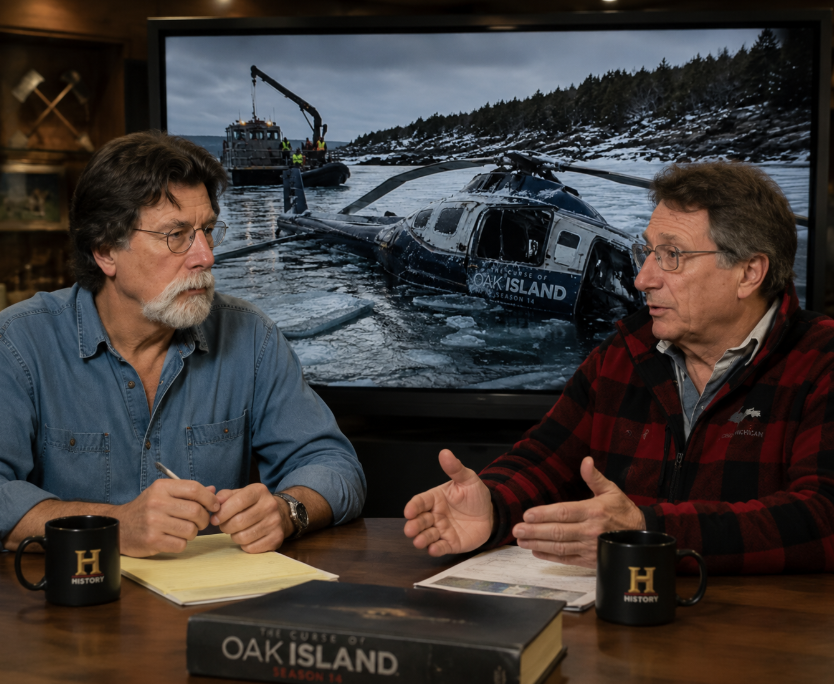
If Oak Island was indeed designed to house a tomb, several questions arise immediately. Who was entombed, and why was the site chosen? The depth, engineering, and apparent secrecy suggest an individual or group of considerable importance—potentially a figure tied to historical, religious, or political significance. Archaeologists and historians will likely examine parallels with ancient burial practices in Europe and North America, seeking clues in construction style, materials used, and alignment with celestial or topographical markers. The presence of waterworks, flood tunnels, and complex shafts may have been intended to protect the tomb from theft, natural disaster, or desecration, further emphasizing the importance of its contents.
From a predictive perspective, the existence of a tomb would influence the direction of future Oak Island excavations. Teams may shift their focus from surface-level treasure-hunting to deeper, more precise archaeological exploration. Traditional gold recovery techniques could be supplemented—or replaced—by technologies designed for artifact preservation and structural analysis, such as LIDAR scanning, 3D modeling, and remote excavation tools. The team may also increase collaboration with academic institutions to ensure proper handling of potentially human remains and historically significant objects.
The discovery also invites reinterpretation of previous finds. Many of the coins, relics, and structural features uncovered over the past decade may not have been part of a pirate cache or merchant hoard but rather ceremonial offerings or grave goods associated with the tomb. This perspective could unify disparate discoveries that have puzzled historians, including non-European artifacts, cryptic carvings, and metal implements, providing a coherent narrative that links physical evidence with historical mystery.
From a narrative standpoint, the tomb hypothesis adds depth to The Curse of Oak Island. While viewers have long been captivated by the suspense of treasure hunting, a hidden tomb introduces an entirely new dimension. It combines elements of archaeology, anthropology, and history with the traditional thrill of discovery. Analysts anticipate that future seasons may place greater emphasis on interpreting cultural and historical context, exploring the lives and societies of those who may have created the tomb rather than focusing solely on financial reward.
Strategically, the presence of a tomb could affect excavation methods and site management. Protecting human remains and preserving historical integrity will require stricter protocols. Excavators and heavy machinery may need to be restricted in certain zones to prevent damage. Moreover, the team will likely need to prioritize documentation, cataloging, and forensic analysis to extract meaningful insights while maintaining ethical standards. These considerations could slow traditional gold recovery efforts but will enhance the credibility and significance of any discoveries.
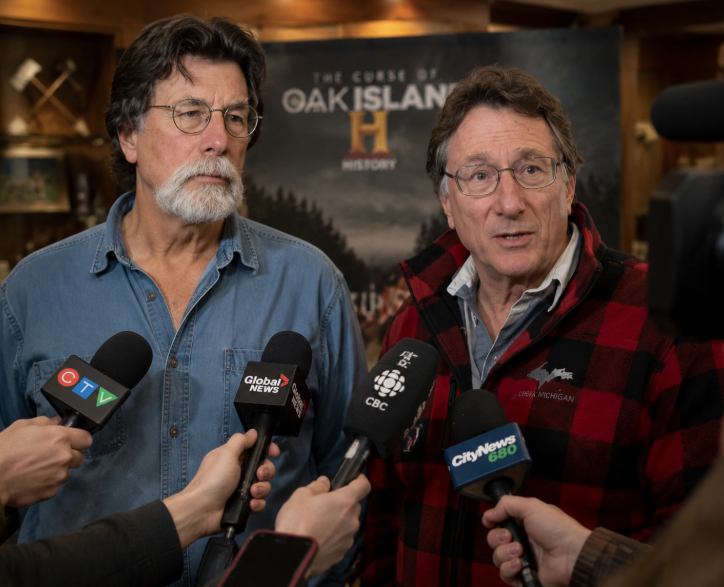
The tomb hypothesis may also shift public perception of Oak Island. For decades, the island has been associated with pirate myths and treasure speculation, but evidence of a carefully concealed tomb could attract broader academic and cultural interest. Universities, museums, and research institutions may become more actively involved, transforming Oak Island from a reality television spectacle into a site of serious historical and archaeological inquiry. The implications extend beyond entertainment, potentially contributing to the understanding of early human activity, migration, and funerary practices in the region.
Looking forward, several developments are likely. The team may employ advanced imaging to map potential burial chambers, conduct careful sampling of soil and artifacts for dating, and engage forensic experts to determine the possible identity or origin of the entombed individuals. They may also explore connections between Oak Island and historical maritime or colonial activity, seeking patterns that explain why the tomb was placed in such a remote and intricately engineered location.
In conclusion, the new evidence suggesting that Oak Island was constructed to protect a massive tomb represents a paradigm shift in the understanding of the island’s purpose. Analysts and viewers alike are now prompted to consider questions of culture, ritual, and historical significance alongside the traditional treasure hunt. The discovery underscores the complexity of Oak Island’s engineering, the foresight of its original creators, and the potential for future revelations that could rewrite centuries of mystery. As excavations continue, the combination of historical analysis, technological innovation, and careful fieldwork may finally bring to light the secrets that have eluded treasure hunters and historians for generations.