Parker Schnabel Strikes Rich Gold Vein in Remote Alaskan Mine Shaft!
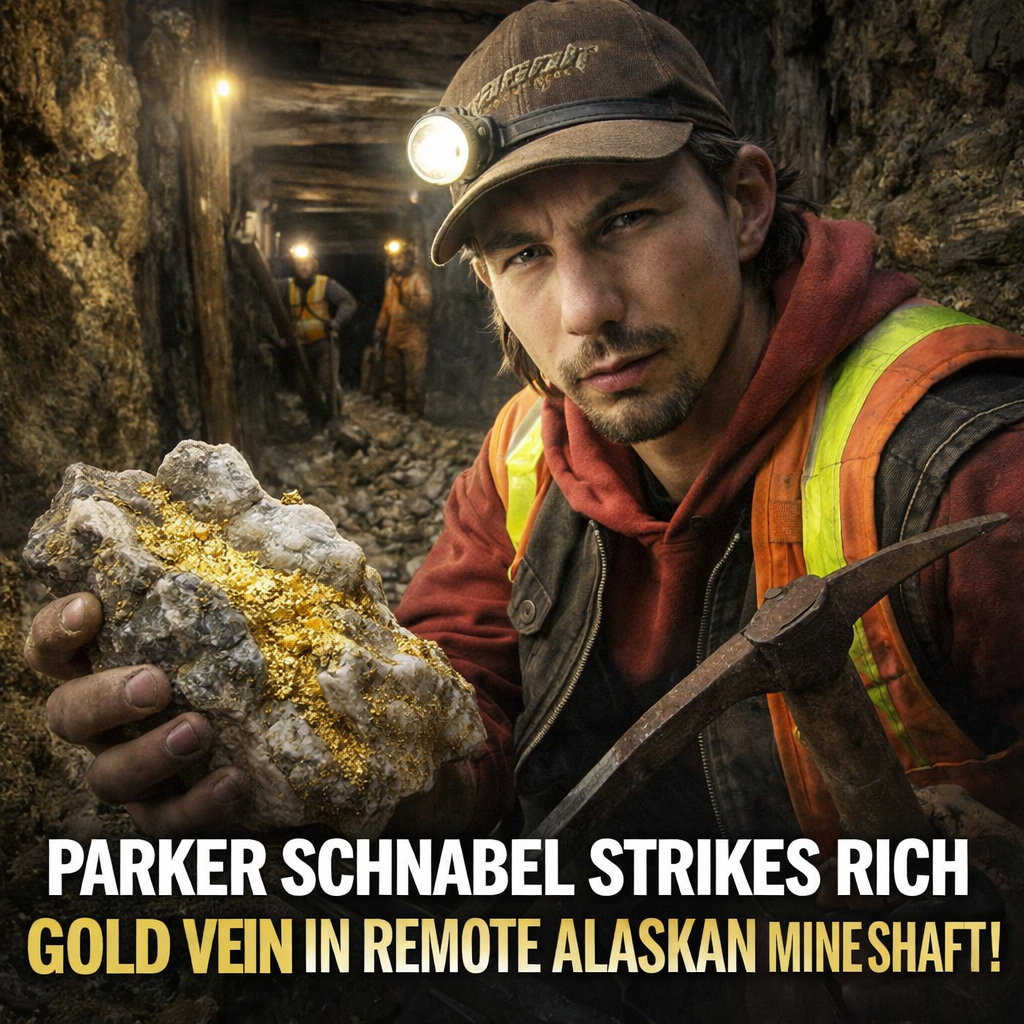
Alaskan mining prodigy pushes deeper into high-risk expansion as massive gold discovery fuels both fortune and operational chaos
In one of the most ambitious mining campaigns ever recorded in the Klondike, Parker Schnabel’s operation has entered a new phase defined by scale, pressure, and unprecedented gold yields. What began as a carefully engineered expansion has evolved into a full-scale industrial push, where success is measured in daily ounces and failure can reshape an entire season.
At the center of this unfolding story is a mining system stretched across multiple crews and simultaneous objectives, each carrying its own financial and operational risk. According to season breakdown narratives, Parker’s strategy relies on dividing his workforce into specialized units—one focused on long-term ground development and another on immediate gold recovery. This dual-track system has produced extraordinary results, but also introduced significant strain on logistics, equipment, and crew coordination.
A TWO-PRONGED STRATEGY UNDER EXTREME PRESSURE
The foundation of Parker’s current operation rests on a high-risk strategic split. One crew is tasked with aggressive ground stripping and thawing deep permafrost layers in search of untouched pay zones. The other is responsible for maintaining continuous gold production to sustain operational costs, which run into hundreds of thousands of dollars per day when factoring in fuel, labor, and machinery upkeep.
This structure has created a constant balancing act: long-term investment versus immediate survival. While one team works through slow, resource-heavy excavation with no immediate returns, the other must generate enough gold to keep the entire operation financially viable.


The result is a system operating under continuous tension, where each decision affects both present output and future potential.
A DISCOVERY THAT CHANGED THE SEASON’S TRAJECTORY
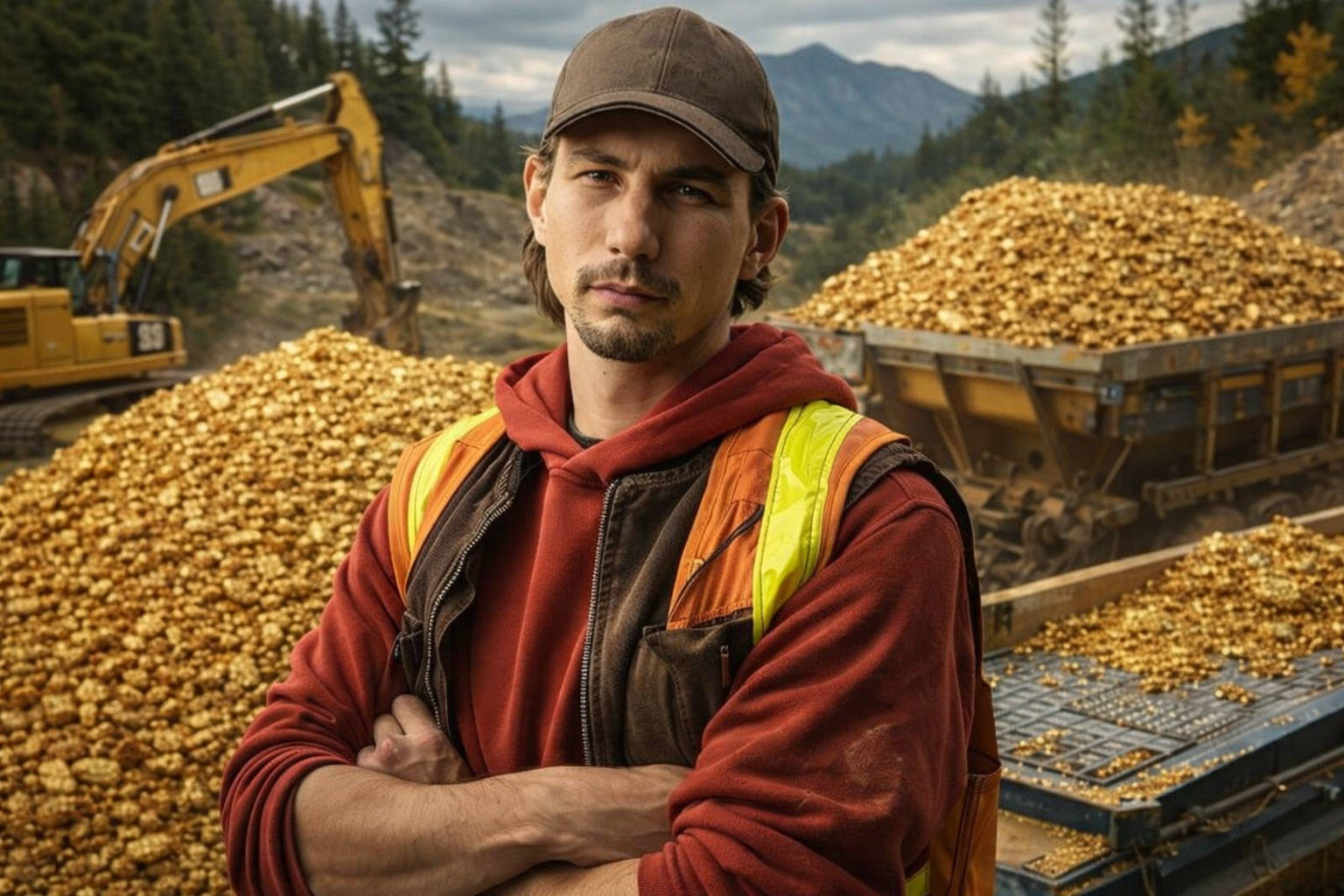
The turning point of the season came when both operational fronts began producing extraordinary results. In a rare convergence, the long-term excavation team struck a highly concentrated pay streak deep within previously untouched ground, revealing a dense accumulation of gold-rich material.
At nearly the same time, the production-focused crew identified a high-yield zone capable of sustaining large-scale daily recovery. This dual discovery effectively transformed the entire operation, shifting Parker’s season from survival mode into expansion mode almost overnight.
However, this success also introduced a new challenge: capacity. With multiple high-output zones active simultaneously, existing infrastructure quickly became insufficient to handle the volume of material being processed.
EQUIPMENT STRAIN AND THE NEED FOR MEGA-SCALE SOLUTIONS
As gold output surged, the limitations of older processing equipment became increasingly apparent. Aging wash plants struggled to keep pace, resulting in bottlenecks, mechanical failures, and occasional loss of fine gold during processing.
In response, Parker authorized the deployment of a significantly larger, modernized processing system designed to handle extreme throughput. This upgrade represented not just an equipment change, but a structural shift in the operation itself—one that required round-the-clock installation, coordination, and rapid adaptation from the crew.
Even with upgraded machinery, the system remained vulnerable to breakdowns. Screen failures, clogged components, and calibration issues periodically halted production, forcing urgent repairs that cost valuable operating time.
A LOCKDOWN APPROACH TO PROTECTING THE CLAIM
With gold production accelerating and rumors circulating within the mining community, operational security became a growing concern. The remote nature of the Klondike does not eliminate risk; instead, it amplifies the importance of controlling access and information.
To mitigate external threats, access routes to the mine were restricted, effectively isolating the operation. This “controlled perimeter” approach was designed to protect both personnel and high-value discoveries, while minimizing the risk of interference or unauthorized entry.
While effective in maintaining operational security, the move also intensified speculation outside the site, as observers questioned the scale and nature of the discovery driving such strict measures.
MASSIVE CLEANUPS AND RECORD-LEVEL OUTPUT
Once processing stabilized, the results were striking. Cleanups from multiple wash plants began producing significant gold yields, with some single-day outputs reaching hundreds of ounces. In one of the most notable recoveries, a major cleanup produced more than 360 ounces of gold in a single run, underscoring the richness of the pay streak being mined.
Shortly after, another major processing line delivered additional high-volume results, pushing weekly totals into multimillion-dollar territory. These figures placed the operation among the most productive phases in Parker Schnabel’s mining career.
However, even with these record-breaking numbers, the system remained fragile. Each surge in output placed additional stress on machinery, requiring constant maintenance and rapid problem-solving from the engineering crew.
TECHNICAL FAILURES AND HUMAN RESPONSE
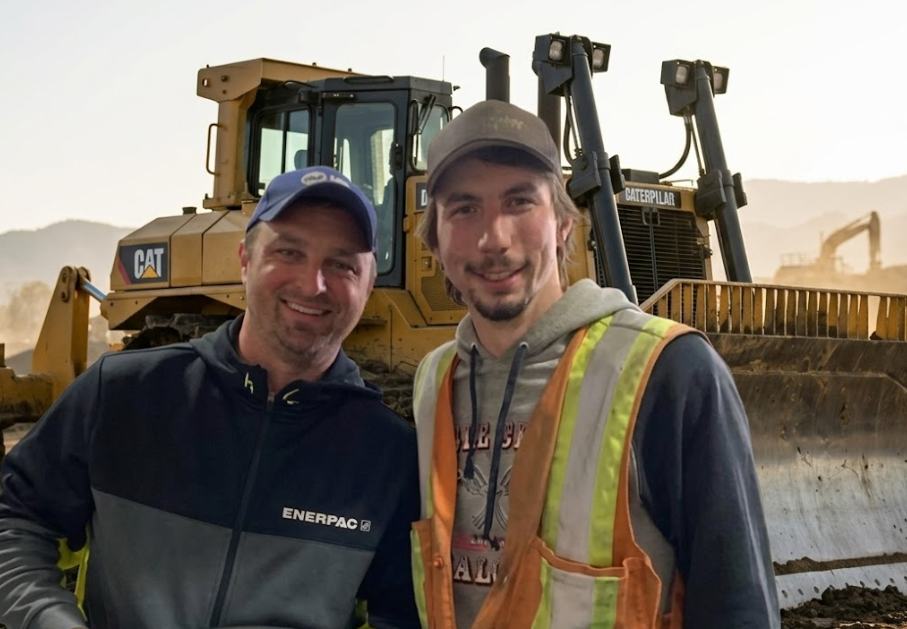
Despite the success, the operation faced repeated mechanical setbacks. Structural damage in key processing components forced emergency repairs deep within the machinery, highlighting the physical risks faced by crew members working in confined and hazardous environments.
Engineers and mechanics were required to perform complex repairs under tight time constraints, often working directly inside heavy industrial equipment. These interventions were critical in restoring production flow and preventing extended shutdowns.
Each breakdown reinforced a central reality of modern large-scale mining: success is not only determined by discovery, but by the ability to maintain systems under extreme operational pressure.
THE REAL COST OF EXPANSION
While the gold totals suggest extraordinary success, the underlying narrative reveals a more complex picture. Rapid expansion has amplified both opportunity and vulnerability. The operation now depends on synchronized performance across multiple teams, equipment systems, and extraction zones.
This interconnected structure means that a failure in one area can cascade across the entire operation, impacting output, efficiency, and profitability.
Yet despite these risks, Parker’s strategy continues to push forward, driven by the potential of a pay streak that could define his career.
CONCLUSION: SUCCESS BUILT ON BALANCE AND RISK
The current phase of Parker Schnabel’s operation represents a defining moment in modern placer mining—where industrial-scale ambition meets the harsh realities of remote extraction.
The discoveries made this season have already produced extraordinary results, but they have also exposed the limits of equipment, logistics, and human endurance under sustained pressure.
As the Klondike continues to yield unprecedented quantities of gold, one question remains at the center of it all: how long can an operation of this scale continue to expand before its own success becomes its greatest challenge?