CLARKSON’S FARM ENTERS A NEW POLITICAL FLASHPOINT AS FARMERS PREPARE FOR JULY 19 PROTEST
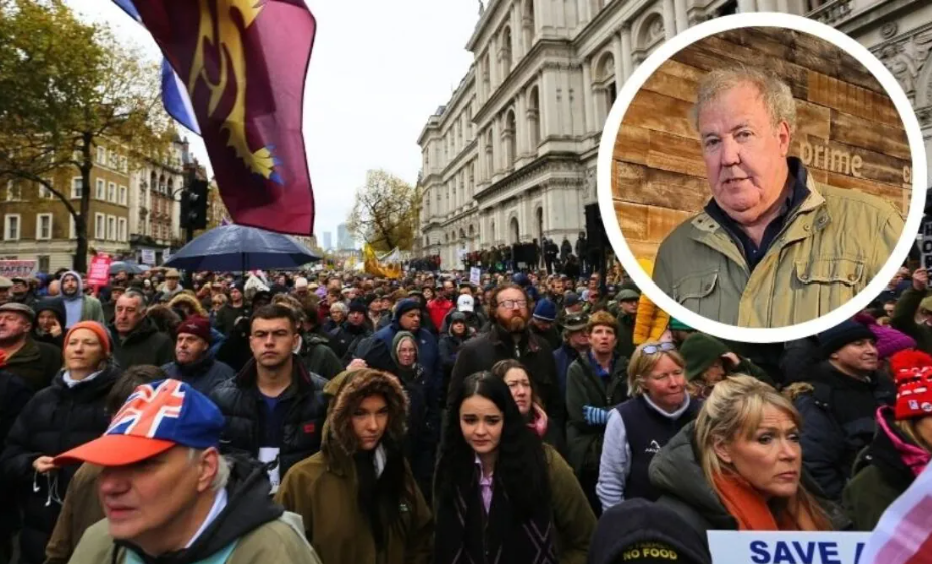
The announcement that Jeremy Clarkson will join other farmers on July 19th to protest the new agriculture bill has immediately escalated what was already a highly sensitive debate within the UK farming community. From an analytical standpoint, this development is not simply a celebrity-led protest—it represents a broader convergence between media influence, rural economic pressure, and policy resistance that has been building across multiple farming regions.
Within the context of Clarkson’s Farm, this moment is particularly significant because it blurs the line between entertainment and real-world agricultural advocacy. Clarkson is no longer just documenting farming struggles at Diddly Squat Farm; he is now actively positioning himself within a national policy dispute that could reshape how British farms operate financially and structurally in the coming years.
A PROTEST ROOTED IN DEEPER INDUSTRY PRESSURES
The proposed agriculture bill, while not fully detailed in public discourse, has already sparked concern among farmers over issues such as subsidy restructuring, environmental compliance obligations, and long-term land use regulations. These factors collectively influence profitability margins that are already under strain due to inflation, supply chain volatility, and unpredictable weather conditions.
From a Clarkson’s Farm analytical perspective, this protest is not an isolated reaction but rather the culmination of multiple seasons of documented frustration. The show has repeatedly highlighted the financial fragility of modern farming—even on a high-profile, well-capitalized farm like Clarkson’s own Diddly Squat operation. Input costs, regulatory hurdles, and market unpredictability have all been central themes.
Clarkson’s decision to physically join a protest therefore signals a shift from observation to participation, suggesting that the issues portrayed on-screen are increasingly aligned with real-world policy tensions.


THE ROLE OF JEREMY CLARKSON AS A RURAL VOICE
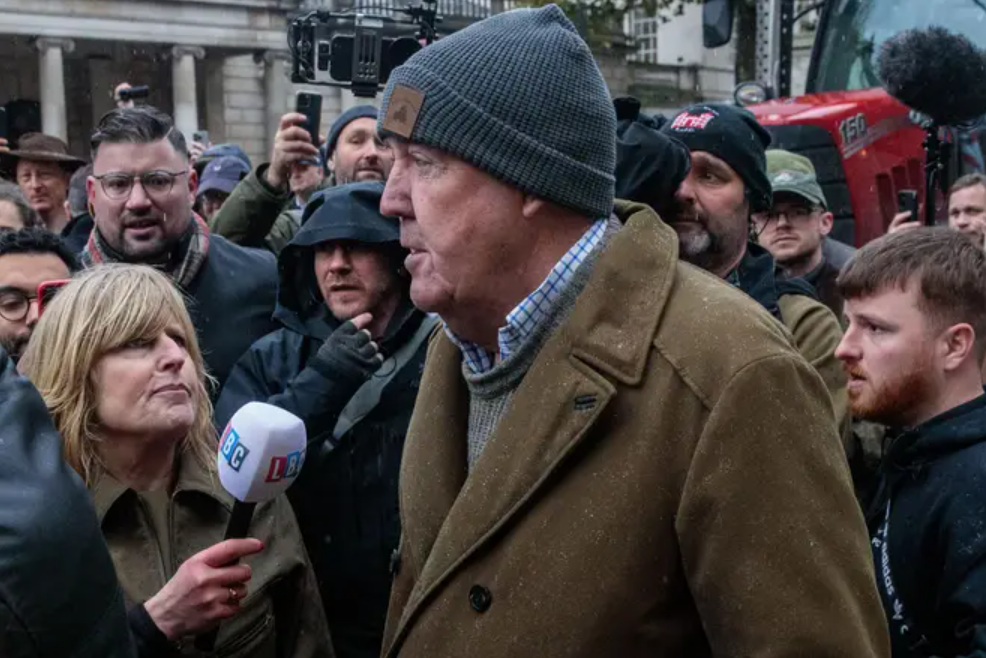
One of the most notable dynamics here is Clarkson’s dual identity: television personality and now informal spokesperson for a segment of UK farmers. His influence extends far beyond traditional agricultural stakeholders due to the global reach of Clarkson’s Farm, which has brought farming realities to a mainstream audience that would otherwise have limited exposure to them.
Analysts note that this creates a unique amplification effect. When Clarkson engages in rural advocacy, the message does not remain confined to agricultural circles—it enters national and international media cycles. This elevates the July 19 protest from a sector-specific demonstration into a broader cultural moment.
However, this also introduces complexity. Some farming groups may welcome the attention, while others may be cautious about the personalization of policy debates around a single media figure. The balance between representation and oversimplification will likely become a point of discussion as the protest approaches.
POTENTIAL ESCALATION AND POLICY RESPONSE
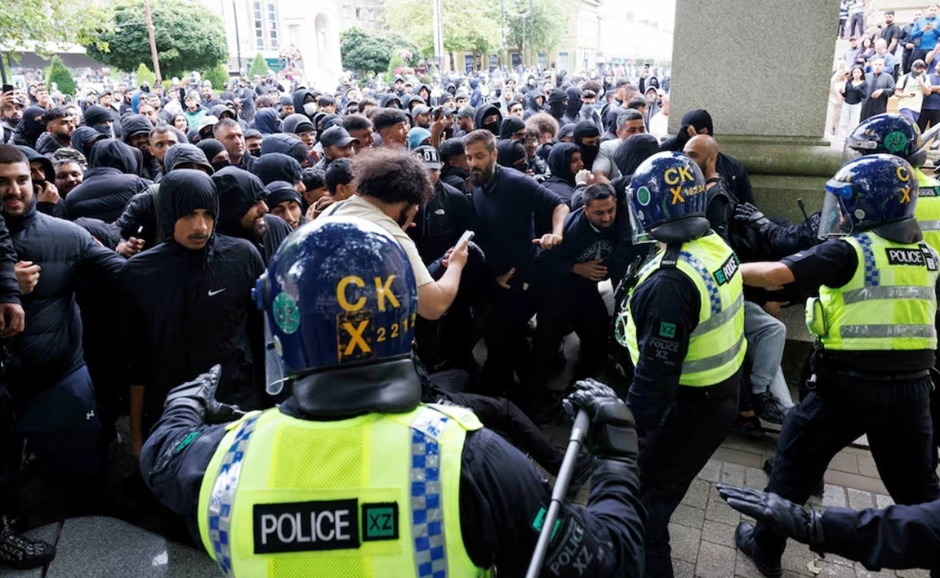
Looking forward, the key question is whether this protest will remain symbolic or evolve into sustained political pressure. Historically, UK agricultural protests have influenced public discourse but achieved mixed legislative outcomes. The presence of high-profile figures like Clarkson may increase visibility, but policy change typically requires sustained negotiation between farming unions, government bodies, and industry stakeholders.
There is also the possibility that the protest could trigger a counter-response from policymakers, particularly if the movement gains significant media traction. Governments often respond to visible demonstrations by either opening dialogue channels or reinforcing the rationale behind proposed reforms. The direction taken will depend largely on how unified the farming community appears during the July 19 event.
IMPACT ON CLARKSON’S FARM NARRATIVE ARC
From a production standpoint, this real-world development could significantly influence future seasons of Clarkson’s Farm. The series has already evolved from a humorous exploration of rural life into a more grounded commentary on agricultural economics and policy friction. A real-world protest participation arc would extend this evolution further into active socio-political engagement.
If filmed or referenced in future episodes, the protest could serve as a narrative bridge between entertainment and documentary-style advocacy. It may also reshape audience perception of Clarkson’s role—not just as a farmer learning the trade, but as an active participant in shaping its future conditions.
FARMER UNITY OR FRACTURE?
Perhaps the most important analytical variable is whether the July 19 protest demonstrates unity or exposes division within the farming sector. Agriculture in the UK is not monolithic; it includes large-scale industrial farms, small family-run operations, tenant farmers, and diversified rural enterprises. Each group may interpret the new agriculture bill differently depending on their financial structure and dependency on subsidies.
If unity is strong, the protest could become a defining moment in modern UK agricultural politics. If fragmented, it may instead highlight the challenges of forming a cohesive response to complex policy reforms.
CONCLUSION: A MOMENT BEYOND TELEVISION
Jeremy Clarkson’s involvement in the July 19 protest marks a critical intersection between media influence and agricultural policy activism. What began as a television exploration of farming life has now expanded into a real-world engagement with legislative debate and rural economic survival.
From an analytical standpoint, the significance of this moment lies not only in the protest itself, but in what it represents: a growing alignment between public perception and farming reality, amplified through one of the most widely viewed agricultural series in recent years.
As the date approaches, attention will increasingly focus on whether this protest becomes a symbolic demonstration of concern—or a catalyst for tangible policy reconsideration in the UK agricultural landscape.