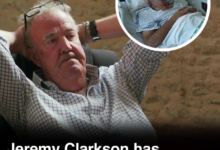
Charlie Ireland’s health is deteriorating following a serious accident, signaling the end of his heyday at Jeremy Farm.
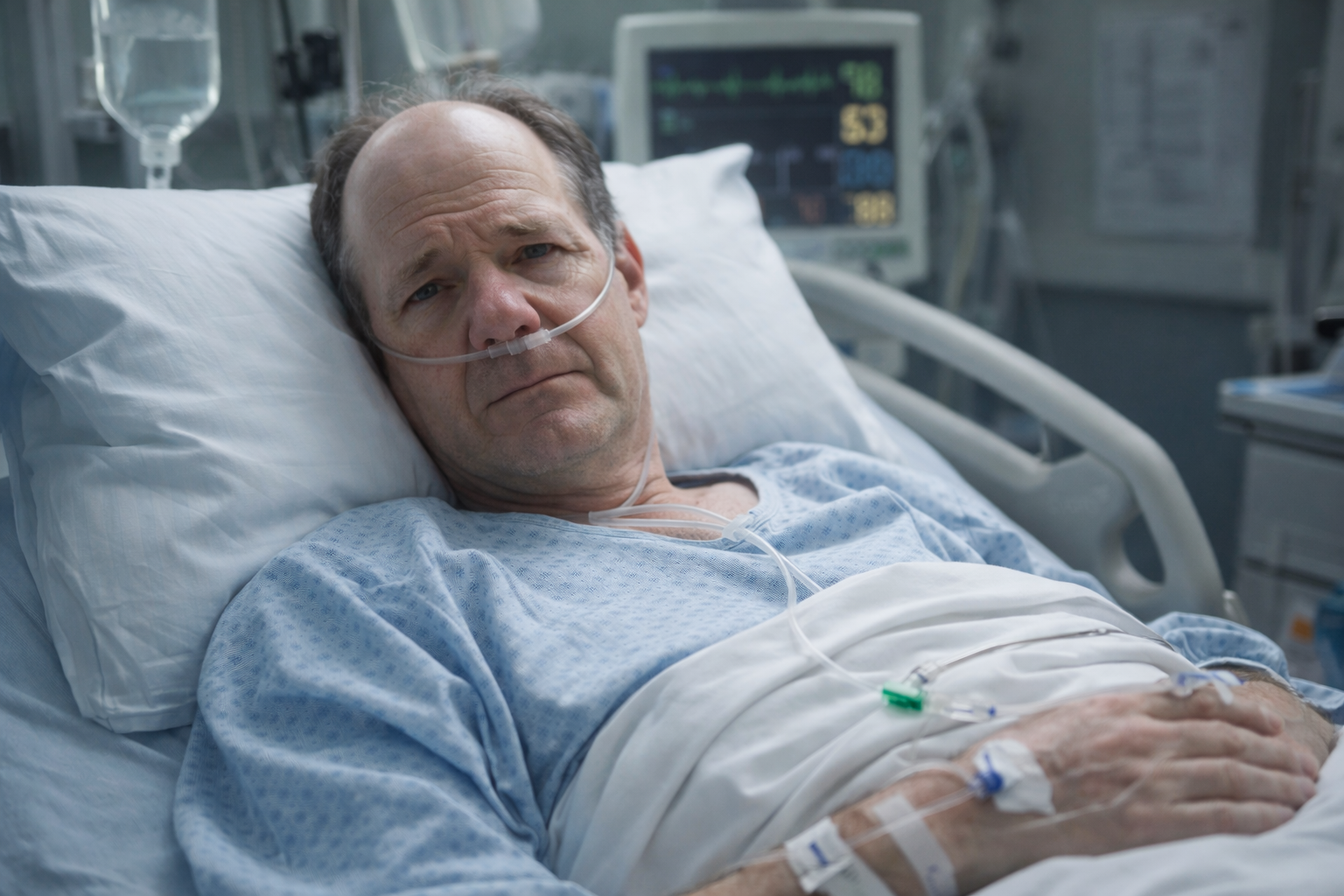
The world of Clarkson’s Farm has always balanced humour, agricultural reality, and the unpredictable pressures of modern British farming. However, the latest development surrounding agricultural advisor Charlie Ireland introduces a far more serious and uncertain tone to the ongoing narrative. Reports suggesting that Ireland’s health is deteriorating following an on-farm incident have sparked concern across both the production team and the farming community, raising questions about operational continuity, advisory stability, and the future direction of Jeremy Clarkson’s farming enterprise.
Charlie Ireland has long been regarded as one of the most influential behind-the-scenes figures at Diddly Squat Farm. While Jeremy Clarkson and Kaleb Cooper often dominate the on-screen dynamic, Ireland’s role as the pragmatic agricultural consultant has been essential in translating ambition into workable farming strategy. His advice has guided crop rotation decisions, land use planning, subsidy navigation, and long-term sustainability efforts. Any disruption to his ability to perform that role therefore carries implications far beyond a single incident.
The reported deterioration in his health following an unspecified incident introduces immediate operational uncertainty. Farming at the scale and visibility of Clarkson’s operation relies heavily on consistent expert input, particularly in navigating Britain’s increasingly complex agricultural policy landscape. With environmental regulations tightening and profit margins in traditional farming continuing to narrow, Ireland’s expertise has functioned as a stabilising force. His absence or reduced involvement could force a recalibration of decision-making processes across the farm.
From an analytical perspective, the timing of this development is particularly significant. Season 5 of Clarkson’s Farm has already been marked by operational expansion, commercial diversification, and increasing external scrutiny. The farm is no longer a simple rural venture documented for entertainment; it is a hybrid operation balancing production agriculture, media branding, and retail commerce. In such a system, advisory continuity is not optional—it is structural. A disruption at the advisory level introduces friction across multiple layers of decision-making, from crop planning to financial forecasting.
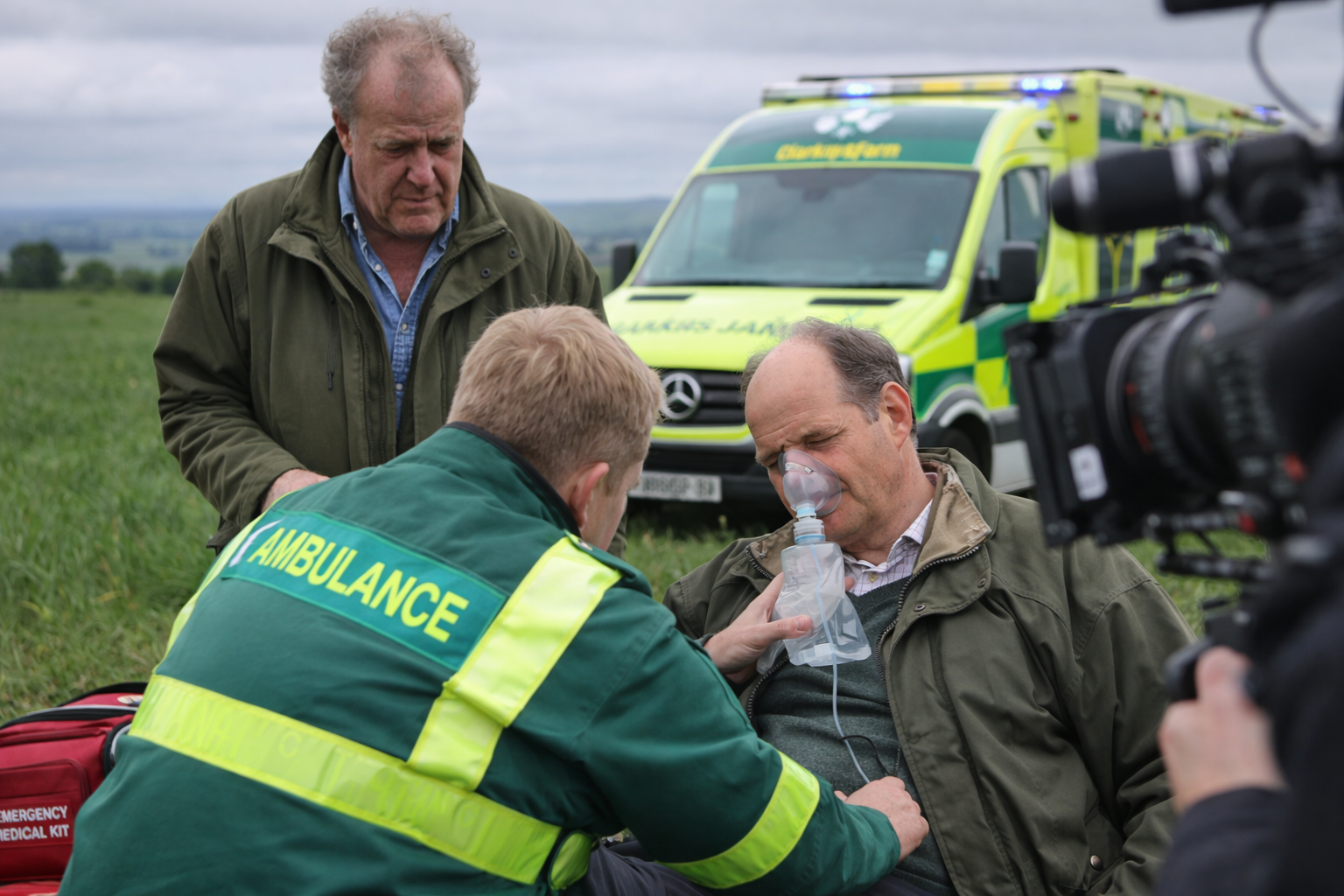
The phrase “end of his glorious era” suggests a broader transition rather than a temporary setback. If Ireland is indeed stepping back from active involvement, even partially, the farm will face a gap in institutional knowledge that is difficult to replace. Agricultural consultancy is not easily substituted; it relies on familiarity with land-specific conditions, historical performance data, and iterative learning over multiple seasons. Any replacement, regardless of expertise, would require time to reach the same level of operational fluency.
Within the context of the show, this development also shifts the narrative tone. Clarkson’s Farm has often used Charlie Ireland as a grounding counterbalance to Clarkson’s more experimental or commercially driven ideas. His presence has helped translate ambitious plans into viable agricultural outcomes. Without that moderating influence, future decisions may tilt more heavily toward risk, experimentation, or commercial urgency. Analysts may therefore expect a subtle but noticeable change in how farm strategy is framed in upcoming episodes.
There is also the human dimension to consider. Farming is an industry already characterised by high stress, physical demands, and exposure to environmental unpredictability. An on-farm incident affecting a key advisor highlights the often-overlooked risks associated with agricultural work, even in advisory or supervisory roles. While machinery accidents and livestock incidents are typically associated with field labour, the broader environment itself—terrain, weather conditions, and long working hours—creates vulnerability across all levels of farm personnel.
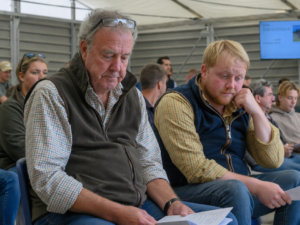
Operationally, Jeremy Clarkson and Kaleb Cooper would likely need to adjust their working dynamic if Ireland’s involvement is reduced. Clarkson’s approach tends to prioritise innovation and commercial opportunity, while Cooper focuses on practical execution and efficiency. Ireland has historically served as the bridge between these two perspectives, ensuring that ambition remains aligned with agronomic reality. Without that bridge, the farm may need to adopt a more structured decision-making framework or rely on external consultants to fill the gap.
From a forecasting standpoint, several outcomes are plausible. In the short term, the farm may attempt to maintain continuity by redistributing advisory responsibilities among existing contacts within the agricultural consultancy network. In the medium term, however, there may be pressure to formally restructure the advisory system, potentially bringing in a new lead consultant or expanding reliance on institutional agricultural advisors. In either case, the transition period would likely introduce inefficiencies and delays in planning cycles.
There is also the question of how this development will be integrated into the televised narrative. Clarkson’s Farm has consistently blurred the line between documentary realism and structured storytelling, using real agricultural events to shape episodic arcs. A decline in Charlie Ireland’s health would naturally introduce a more reflective and serious tone to the series, potentially shifting focus toward resilience, adaptation, and the fragility of farm systems dependent on a small number of key individuals.
For viewers, this moment reinforces one of the show’s underlying themes: modern farming is not just about land and livestock, but about people, expertise, and continuity. The loss or reduction of a single knowledgeable figure can ripple through an entire operation. In that sense, Ireland’s situation becomes more than a personal concern—it becomes an operational inflection point.
In conclusion, the reported deterioration in Charlie Ireland’s health following an on-farm incident marks a potentially pivotal moment for Clarkson’s Farm. Beyond the immediate concern for his wellbeing, it introduces strategic uncertainty into a finely balanced agricultural system. Analysts will be watching closely to see how Jeremy Clarkson’s operation adapts—whether through restructuring, external support, or a shift in decision-making philosophy. What is already clear is that Ireland’s role has been foundational, and any transition away from his “glorious era” will represent one of the most significant structural changes in the farm’s history to date.