Clarkson Sparks National Debate on Farming, Health Awareness, and Political Direction in Rural Britain
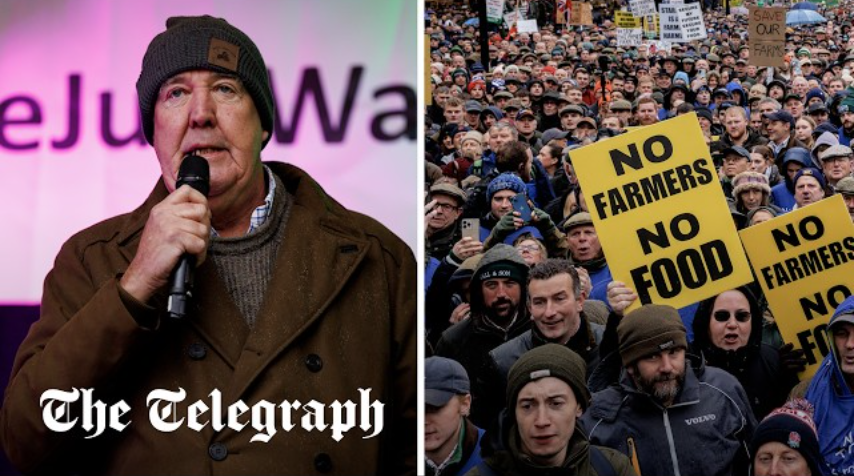
A wide-ranging public discussion has emerged following remarks connected to Jeremy Clarkson, in which the broadcaster and Clarkson’s Farm figure addressed both a personal health experience and the evolving political attitudes within Britain’s farming community. The comments, which combined a prostate cancer awareness message with reflections on agricultural politics, have since circulated widely across media platforms and rural policy discussions.
While the statement began as a personal health disclosure, it quickly expanded into a broader commentary on healthcare access, early detection, and the political alignment of farmers in the UK. Analysts note that the dual nature of the message—part medical awareness, part political reflection—has amplified its impact far beyond its original context.
Early Detection Message Resonates Strongly
At the core of the message was a clear and direct health warning: early testing for prostate cancer can save lives. Clarkson described how early medical screening allowed doctors to detect his condition in time, significantly improving his outlook. The tone of the message combined humour with urgency, aiming to reduce stigma around medical testing while encouraging men to seek preventative care.
Health professionals have long emphasized that prostate cancer outcomes are heavily dependent on early diagnosis. The message reinforces existing public health campaigns that encourage routine testing, particularly among men over 50 or those in higher-risk categories. However, Clarkson’s informal and highly accessible communication style has made the issue resonate with audiences who might otherwise ignore traditional medical messaging.
A key point raised in the discussion was the misconception surrounding testing procedures. Many men reportedly avoid screening due to fears of invasive examination, despite the fact that modern diagnosis is often conducted through simple blood tests. This misunderstanding remains a significant barrier to early detection efforts.
Farming Community and Political Realignment
Beyond health, the conversation shifted into political territory, focusing on why some farmers appear increasingly skeptical of the Green Party and environmental policy frameworks. The discussion suggested that agricultural workers may feel more aligned with political movements that prioritize business flexibility, reduced regulatory pressure, and lower operational constraints.

Within the farming sector, this sentiment reflects a broader frustration with rising costs, environmental compliance requirements, and taxation policies perceived as economically restrictive. Farmers operating on thin margins often view policy changes through the lens of immediate financial impact rather than long-term environmental objectives.
However, political analysts caution that rural voting behavior is complex and cannot be reduced to a single ideological direction. While some farmers may express dissatisfaction with certain environmental policies, others actively support sustainability initiatives and climate adaptation strategies, particularly those tied to long-term land preservation.
Environmental Policy and Agricultural Pressure Points
The discussion also highlighted ongoing tensions between climate policy and agricultural productivity. Policies aimed at reducing greenhouse gas emissions, regulating pesticide use, and managing fertilizer application have become central points of debate within farming communities.
Supporters of environmental regulation argue that such measures are essential for long-term ecological stability and food system resilience. Critics, however, suggest that implementation often places disproportionate pressure on working farms without sufficient financial support or practical transition pathways.
This tension is not new, but it has become more visible as climate targets tighten and agricultural subsidies continue to evolve. The result is a policy environment where farmers must constantly balance productivity with compliance, often under unpredictable economic conditions.
Clarkson as a Symbolic Rural Voice
Jeremy Clarkson’s role in this debate extends beyond entertainment. Through Clarkson’s Farm, he has become a highly visible figure representing certain frustrations within the agricultural sector. His outspoken commentary on taxation, regulation, and rural policy has positioned him as an informal spokesperson for parts of the farming community.
While Clarkson does not represent all farmers, his visibility has amplified rural concerns in mainstream media. This has contributed to a situation where agricultural policy debates are increasingly shaped not only by policymakers and industry experts, but also by public-facing personalities.
Analysts suggest this dynamic has both positive and negative implications: it increases public awareness of farming challenges, but can also oversimplify complex policy issues through entertainment-driven narratives.
Shifting Rural Political Identity
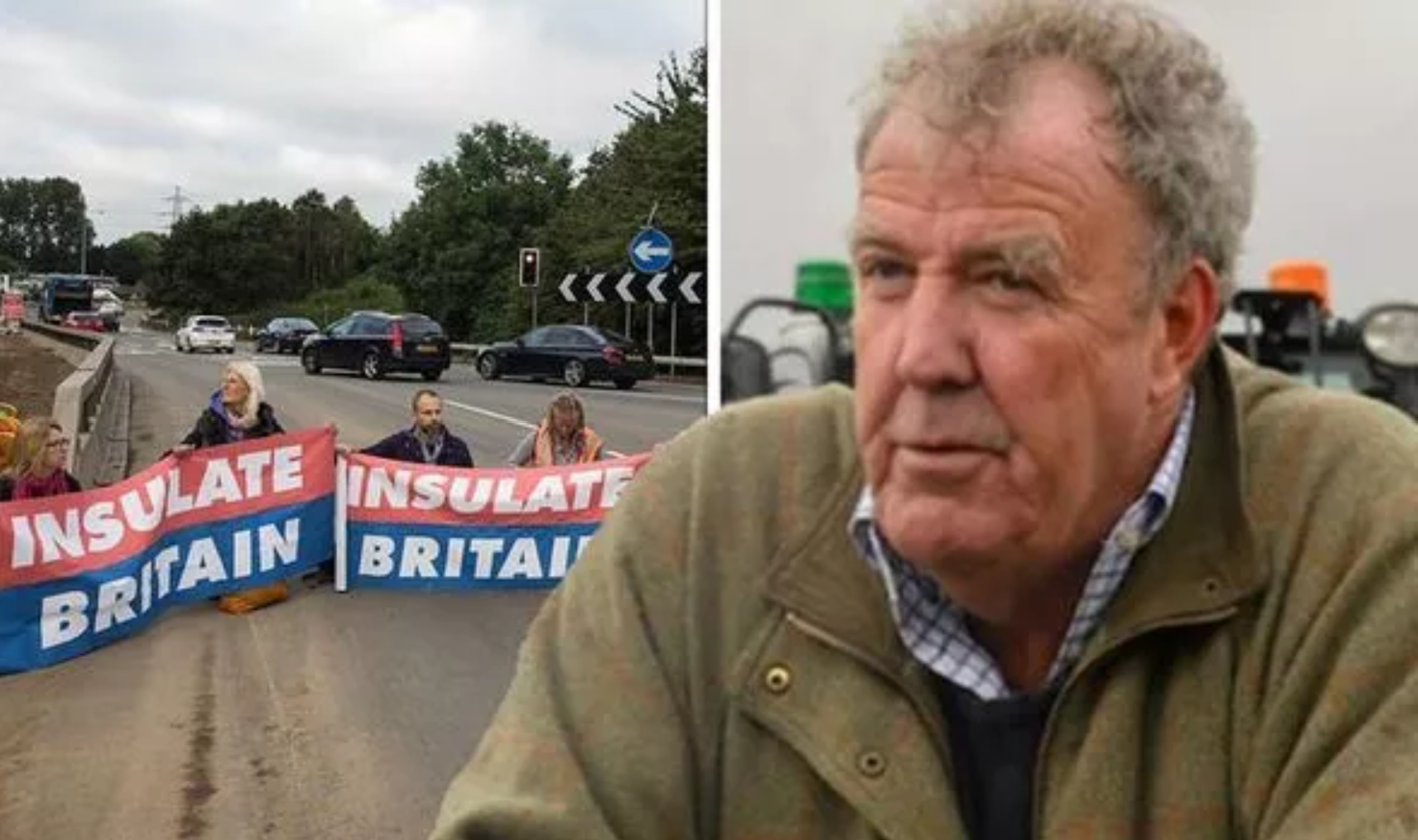
One of the key themes emerging from the discussion is the perceived political realignment within rural Britain. Some analysts suggest that farmers are reassessing traditional party loyalties in response to economic pressure, regulatory change, and perceptions of underrepresentation in national policymaking.
However, this shift is not uniform. Rural communities remain diverse, with differing priorities depending on farm size, region, and production type. While some express dissatisfaction with current policy direction, others continue to support environmental reform and cross-party cooperation on climate resilience.
What is clear, however, is that rural political identity is in a period of transition, shaped by economic uncertainty and increasing policy complexity.
Conclusion: A Dual Message with Broader Impact
What began as a personal health update has evolved into a wider public discussion spanning healthcare awareness and agricultural politics. The combination of prostate cancer messaging and commentary on farming policy has given the statement unusual reach, connecting two highly significant but distinct public issues.
From a health perspective, the message reinforces a clear and urgent recommendation: early testing saves lives. From a political perspective, it reflects ongoing tensions between environmental policy and agricultural economics.
As these debates continue to develop, Clarkson’s voice remains a focal point—not as an official policymaker, but as a cultural figure whose influence extends into both public health awareness and rural political discourse.