Inside Diddly Squat Farm: How Clarkson Is Fighting Bureaucracy and Expanding His Herd
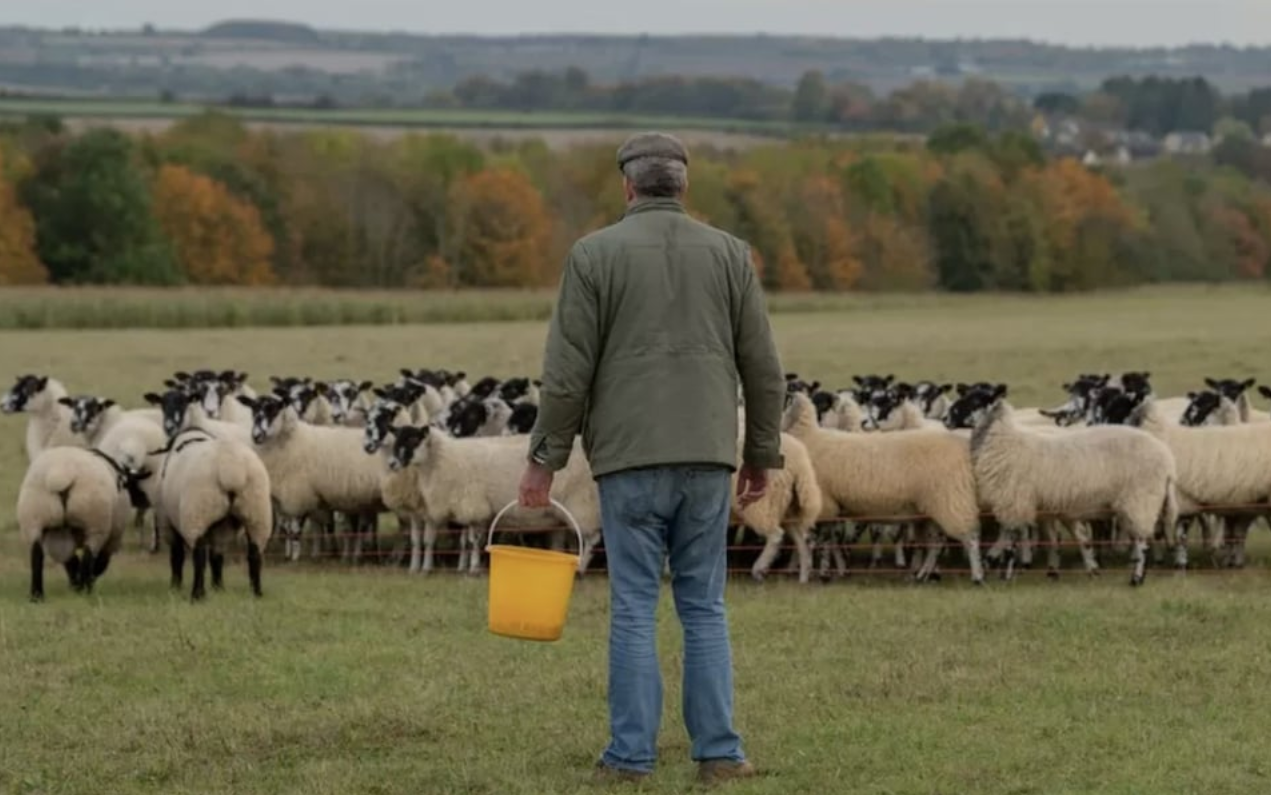
Jeremy Clarkson, the former Top Gear and The Grand Tour presenter, has long been celebrated for tackling challenges that would daunt most people. From igniting the bonnets of frozen cars in the Arctic Circle to navigating the complexities of a Cotswolds farm with zero prior agricultural experience, Clarkson has proven himself willing to embrace the unexpected. Yet even he has met his match—his unruly flock of sheep.
In the upcoming series of Amazon Prime’s eight-part documentary, Clarkson’s Farm, viewers will witness a shift in Clarkson’s farming focus. The motoring broadcaster-turned-farmer has admitted defeat in trying to bring order to his rebellious sheep, joking that they are “a pain in the a—.” In response, Clarkson has enlisted the help of a neighboring farmer to oversee the flock. This strategic move suggests a pragmatic evolution in his approach: while the sheep have long dominated his time on the farm, Clarkson is reallocating his energy toward more manageable and potentially profitable ventures.
The next season promises a new set of challenges for Clarkson. Having purchased 26 Short-horn cattle, he is now turning his attention to a more diverse livestock operation. By introducing cattle and a drove of pigs, Clarkson aims to implement more sustainable crop rotation and reduce reliance on nitrogen fertilisers, which he notes are becoming increasingly unpredictable in modern farming. This move highlights Clarkson’s growing sophistication as a farmer: he is no longer just learning through trial and error but is actively strategizing to optimize his farm’s long-term productivity.
Clarkson’s acquisition of cattle and pigs also represents a potential shift in the documentary’s narrative focus. While sheep may have provided comic relief in earlier seasons, cattle and pigs present different challenges—handling larger, more temperamental animals, ensuring proper nutrition and healthcare, and managing breeding cycles. This transition is likely to bring fresh storylines to the show, including hands-on demonstrations of feeding, veterinary care, and the practicalities of running a diversified livestock operation.
However, Clarkson’s ambitions are not limited to managing animals. The television star has also expressed concern over the uncertain future of government subsidies for British farmers, particularly in the post-Brexit landscape. With EU subsidies set to phase out by 2028, Clarkson has voiced frustration at the lack of clarity from policymakers, highlighting the risks this uncertainty poses to small-scale farmers. In response, he is aiming to cultivate and sell as much of his own produce—and that of neighboring farms—as possible, effectively reducing his dependence on external financial support. This entrepreneurial approach reflects a broader trend in modern agriculture: farmers are increasingly seeking self-sufficiency, using direct-to-consumer sales channels such as farm shops and local markets to stabilize revenue.
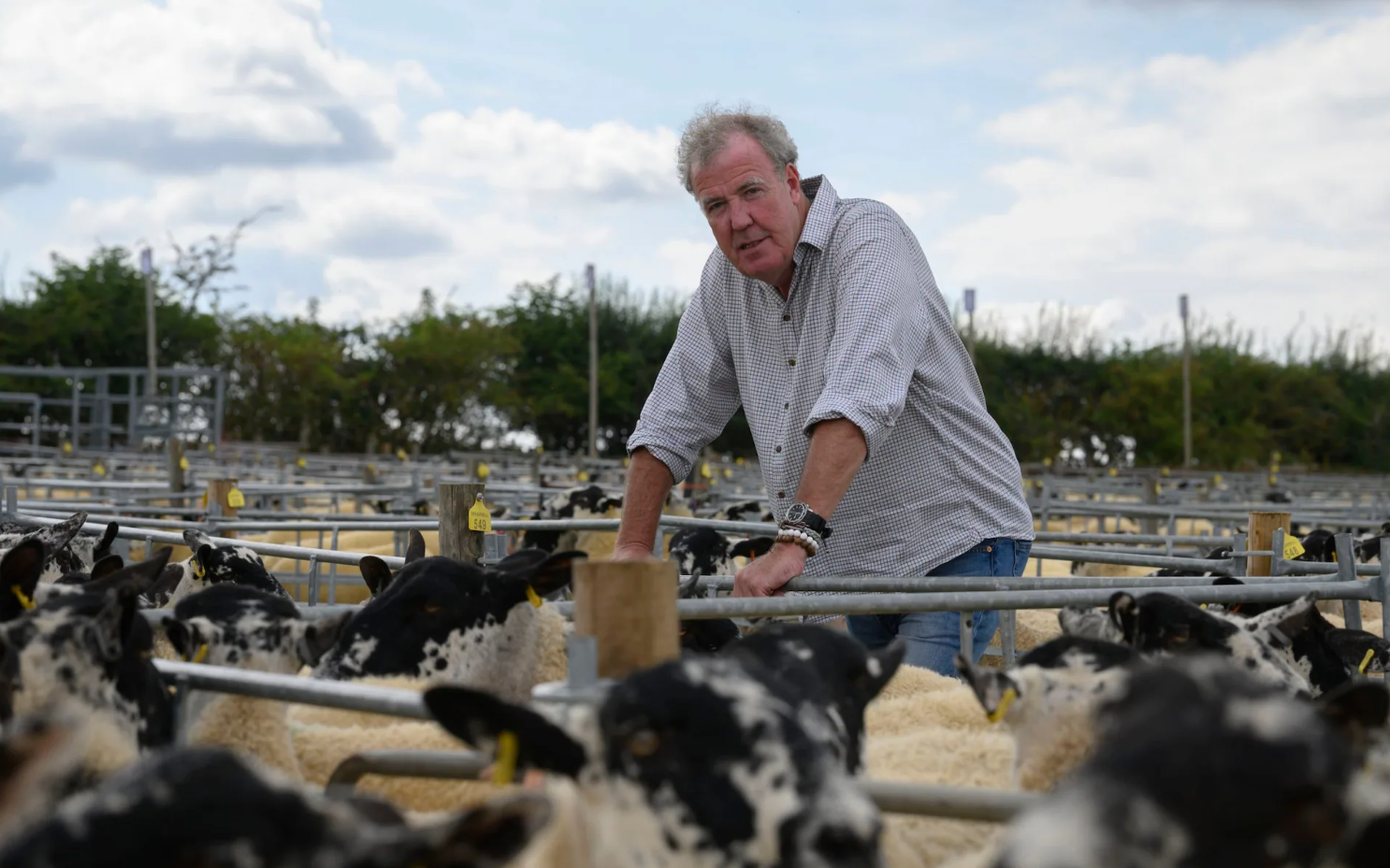
From a production perspective, viewers can expect the farm shop to play a more prominent role in the upcoming series. Clarkson’s efforts to market local produce, combined with his hands-on approach to livestock management, are likely to highlight the practical realities of running a small farm in rural Britain. Audiences may also witness the logistical and bureaucratic hurdles associated with compliance, food safety regulations, and seasonal crop planning. In essence, the show is evolving into a more comprehensive portrait of modern farming, emphasizing both the physical labor and the strategic decision-making required to succeed.
Clarkson’s personal reflections on farming reveal a man who has grown deeply attached to rural life. Describing Diddly Squat Farm as “a love letter to the countryside,” he candidly notes the joy of working the land and laments not starting earlier in life. At 61, he remains committed to the day-to-day grind, even when it involves early mornings, physical strain, and occasionally chaotic livestock management. His passion for farming, coupled with his willingness to confront real-world agricultural challenges, continues to endear him to viewers.
Looking ahead, several trends can be anticipated for the farm and the series. Firstly, the focus on diversified livestock and sustainable farming practices is likely to continue. Clarkson’s introduction of Short-horns and pigs may expand further, potentially including breeding programs, rotational grazing systems, and on-farm processing initiatives. Secondly, the documentary will probably emphasize problem-solving under pressure, such as dealing with animal health issues, equipment failures, and unpredictable weather—classic elements that have driven the show’s narrative tension. Thirdly, the farm shop and direct sales initiatives may become increasingly central, reflecting Clarkson’s interest in local economies and self-sufficiency.
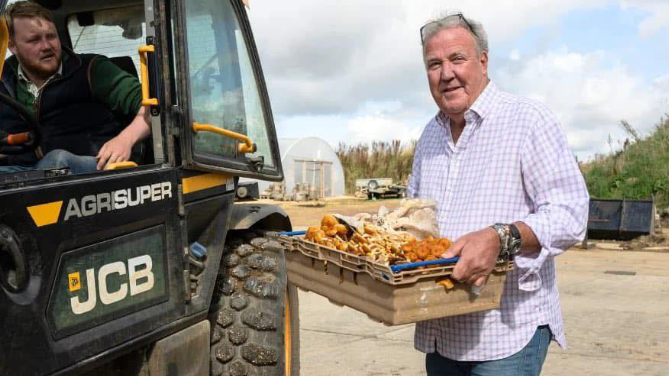
Finally, Clarkson’s growing expertise may lead to more deliberate educational moments for viewers. While the series has always balanced humor with practical insights, the next season could offer a deeper exploration of sustainable farming, crop management, and livestock care. Such content would not only entertain but also inform audiences about the challenges facing British agriculture in a post-Brexit, subsidy-free landscape.
In conclusion, Clarkson’s Farm is entering a new phase. The sheep may have claimed a temporary victory, but Clarkson is using the setback to redirect his efforts toward more strategic and rewarding farming ventures. As he expands his herd and focuses on sustainable practices, viewers can expect a series that blends hands-on agricultural reality with Clarkson’s trademark wit, ultimately offering both entertainment and a genuine insight into modern rural life. For fans of the show and aspiring farmers alike, the coming episodes promise to be a compelling exploration of resilience, adaptation, and the joys—and occasional frustrations—of life on the farm.