Rick Ness Faces Frozen Ground Crisis but Strikes Season’s Biggest Payday at Rally Valley
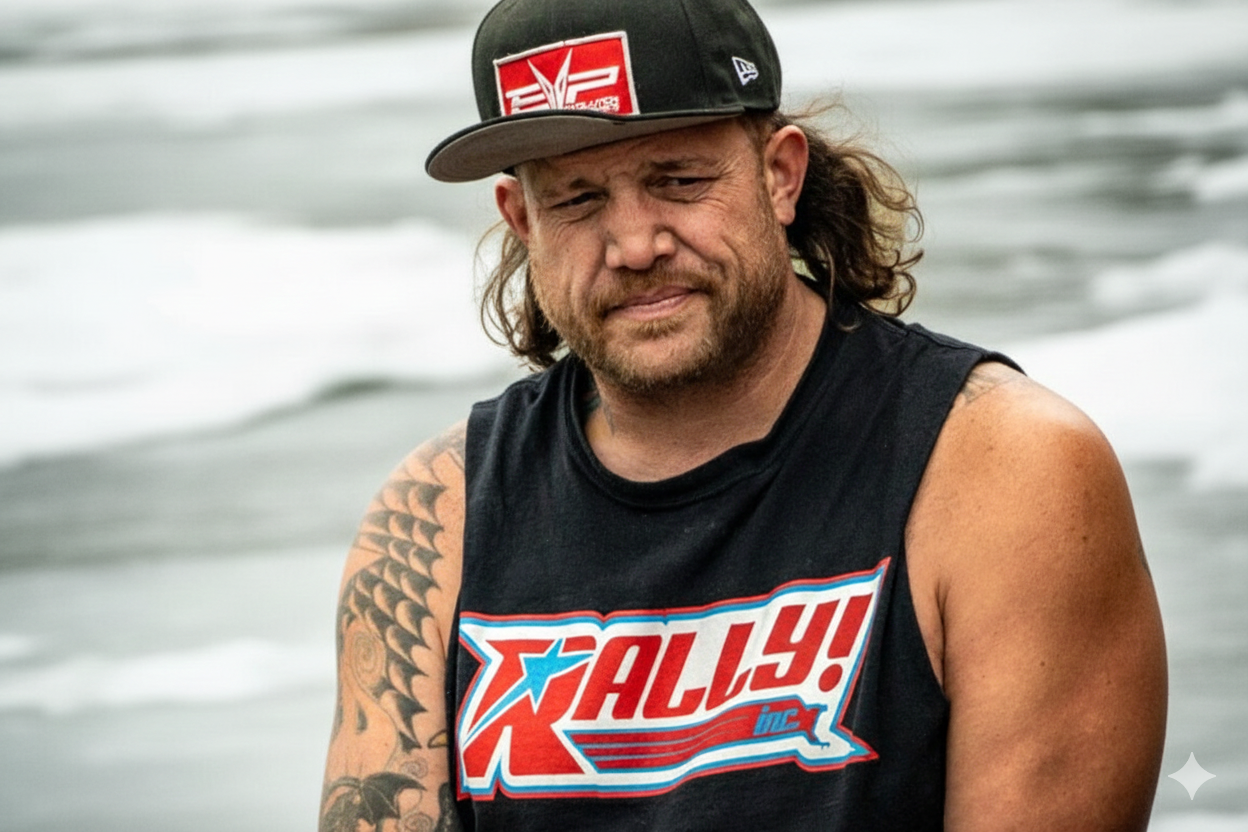
In the high-stakes world of Yukon gold mining, timing is everything — and for miner Rick Ness, the clock nearly ran out this week. After two explosive weeks at Rally Valley, a pit that delivered nearly 500 ounces of gold worth $1.25 million, Rick found himself staring down an unexpected crisis: the ground at his next planned mining location was still frozen solid. With his season goal looming and water license uncertainty threatening future operations, every hour suddenly mattered.
A Record Run at Rally Valley
The story began on a high note. At Duncan Creek, Rick’s crew was processing the last paydirt from Rally Valley, a pit already confirmed as the richest Rick has ever mined. The results were staggering. In just two weeks, the valley yielded nearly half a thousand ounces — a haul that put Rick within striking distance of his seasonal target.
“Make sure you get every last bit,” one crew member radioed. And they did.
Running two wash plants in concert, Rick’s team had turned Rally Valley into a gold-producing powerhouse. But good ground never lasts forever, and the crew could see the bottom of the pay pile approaching. They needed the next spot, and they needed it fast.
The Bench Cut: A Plan Frozen in Place
Rick’s strategy for staying on pace seemed straightforward: move half a mile north from Rally Valley to the bench cut, a 5-acre extension that had been stripped the previous season. That bench had delivered 450 ounces in just five weeks last year — easy-access ground that Rick expected to be ready to mine immediately.
But when foreman Buzz drove a test pole into the soil, disaster struck.
The ground had frozen hard over winter, locking the paydirt under a solid barrier of ice. Despite being stripped months earlier, the bench was still frozen “right to the bedrock.”
“I massively miscalculated how long it would take to thaw,” Rick admitted. “This sucks. I don’t have a second option right now.”
With the Rally Valley pay dirt nearly finished and no backup ground ready, Rick faced a potential shutdown — a miner’s worst nightmare.
Pressure Mounts as Ground Runs Out
Back at the plant, buckets were running dry. Operators voiced what everyone felt: “Pay right now is looking pretty slim.”
To make matters worse, Rick’s mining future depended on uncertain government approval. Without a guaranteed water license for next season, the team needed to extract as much gold as possible this year, or risk a catastrophic drop in output.
“We need ground, and we need it fast,” Rick told his crew.
With no thawed ground at the bench, Rick made a call: return to a marginal area previously abandoned for poor results. Desperate times, he reasoned, required new thinking — or perhaps revisiting old ground with fresh eyes.
He and Buzz drove up to reassess the strip, checking several zones by hand. The first tests came up cold. The second, still frozen. They were “chasing their tails,” as Buzz put it.
Then, a crucial observation: a patch of younger poplar trees growing in a pocket of land that looked noticeably softer. Young growth often signals thawed ground.
Rick ordered a test hole.
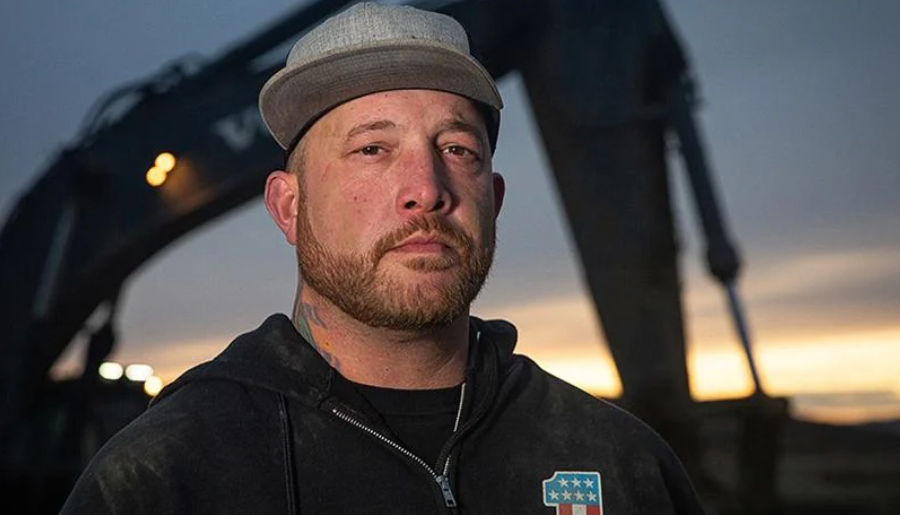
A Critical Discovery Saves the Season
The sample pan revealed the hope they needed — fine gold, but real gold, and plenty of it. “There might be 15 to 20 colors in there,” Rick said with relief.
It wasn’t high-grade bonanza dirt, but it was gold-bearing and thawed. That was enough.
“Let’s start hauling,” Rick ordered. And the crew moved instantly. Trucks rolled in, Rocky — the second wash plant — fired up, and the season was back on track.
A Historic Gold Weigh
When the numbers were tallied, the impact was undeniable.
432.17 ounces.
Worth over $1 million.
It was Rick’s largest gold weigh of the season, and one of the most impressive hauls of his entire mining career.
Combined with Rally Valley’s earlier output, the season total from that pit alone reached 929.75 ounces — valued at more than $2.3 million.
After 13 years of mining, Rick called the moment “the highlight of my career.”
But he didn’t credit himself. Standing before his crew of only seven, he said:
“This is the reason we come up here. When we put up numbers like this, we all go home real happy. I can’t thank you guys enough.”
A Season Defined by Resilience
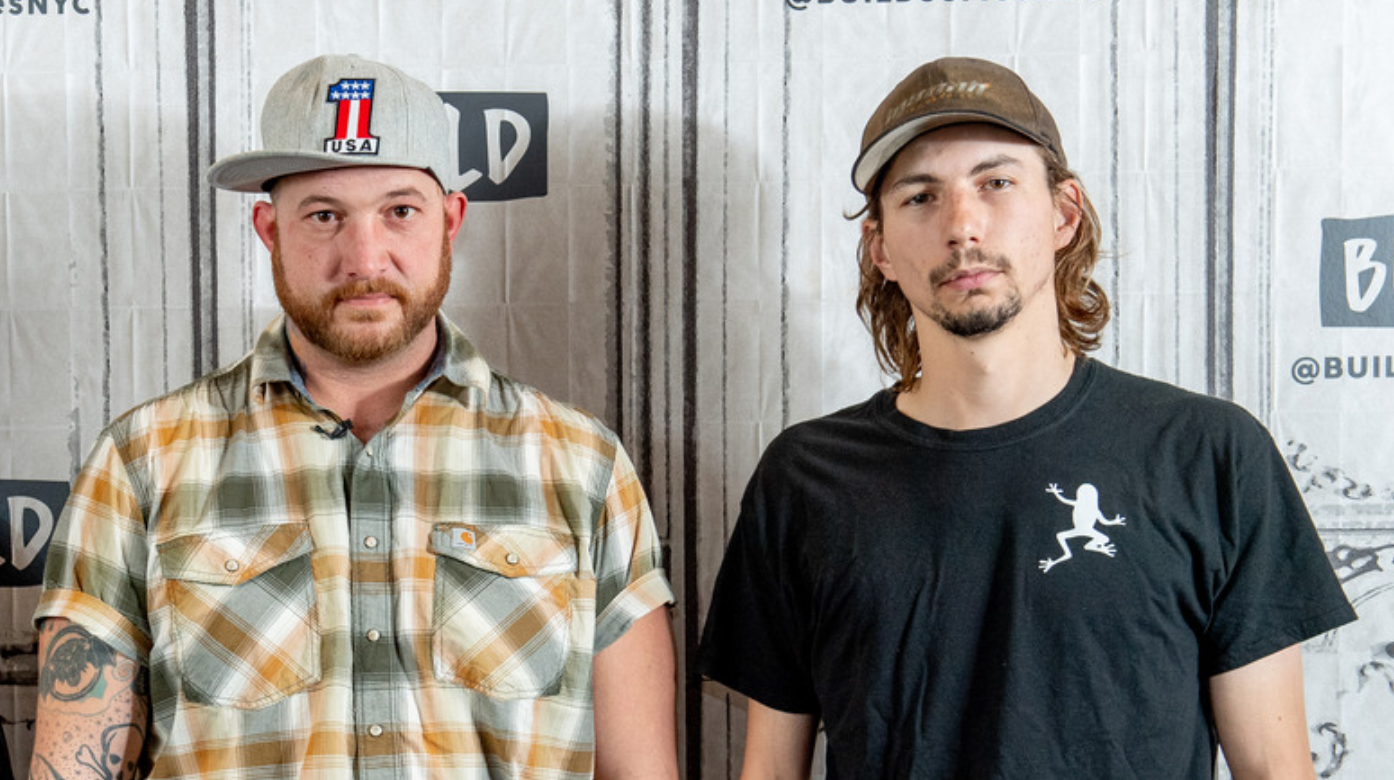
Rick’s near-collapse and dramatic turnaround captured the unpredictable reality of Yukon mining. Frozen ground, permitting uncertainty, and limited manpower all threatened to derail his season. But through quick thinking, on-the-ground experience, and sheer determination, Rick and his small but dedicated crew found a way to keep the gold flowing.
Whether the thawed patch can sustain the team long-term remains to be seen. But for now, Rick Ness has delivered one of the strongest paydays of his mining career — and proven once again that in the gold fields, resilience is just as valuable as gold.