Rick Ness’ Worst Breakdown Turns Into an Unexpected Lifeline From Tony Beets
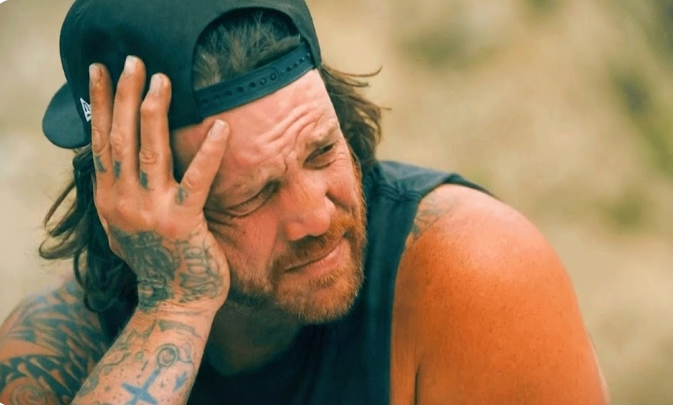
Mechanical failures, water trouble and a crucial decision about the future of his operation have placed Rick Ness under intense pressure at Duncan Creek, as his crew fights to keep gold production steady in the Yukon.
The latest disruption began when one of the carry rollers on Rick’s key excavator — the “700”, a workhorse machine central to moving pay dirt — bent out of alignment after a bearing seized. With the roller forced sideways, the track could no longer move, leaving the machine effectively immobilised. Crew members quickly warned that without the roller, the track would grind against the side frame, risking serious damage if the excavator continued to run.
The immediate problem was time. Rick said a new roller he ordered would take more than a week to arrive — and in the Yukon, delays often stretch longer than promised due to limited freight routes. With production already fragile, he decided he could not afford to wait. Instead, Rick made calls across the region and tracked down a used roller in Dawson, turning to an operator known for having the biggest machinery “boneyard” in the Klondike: Tony Beets.
In a moment that underlined how relationships matter as much as equipment in the gold fields, Tony agreed to help without hesitation. He offered Rick the part on the spot, allowing the crew to keep moving while the replacement shipment remained in transit. Rick later described the visit as a reminder that “it’s good to have friends in the Yukon,” while the crew credited Tony and Minnie for saving them both time and money.
Back at Duncan Creek, the part was installed and the 700 returned to full output — a shift that immediately mattered. Without it, the smaller 480 excavator had been loading pay at roughly half the rate, slowing the entire plant. Once the roller was fitted and the track was turning properly again, the operation regained its pace and morale lifted. But the numbers showed how costly the downtime had been.
In the weekly gold weigh, Rick’s team produced 51.55 ounces, worth close to $100,000 — but below the pace required to stay on track for his season goal. Rick calculated he needed at least 70 ounces each week to reach his target. He acknowledged the result was light, though he insisted he was not yet worried. With the 700 back and the ground believed to be good, he said a few clean weeks could turn things around quickly.
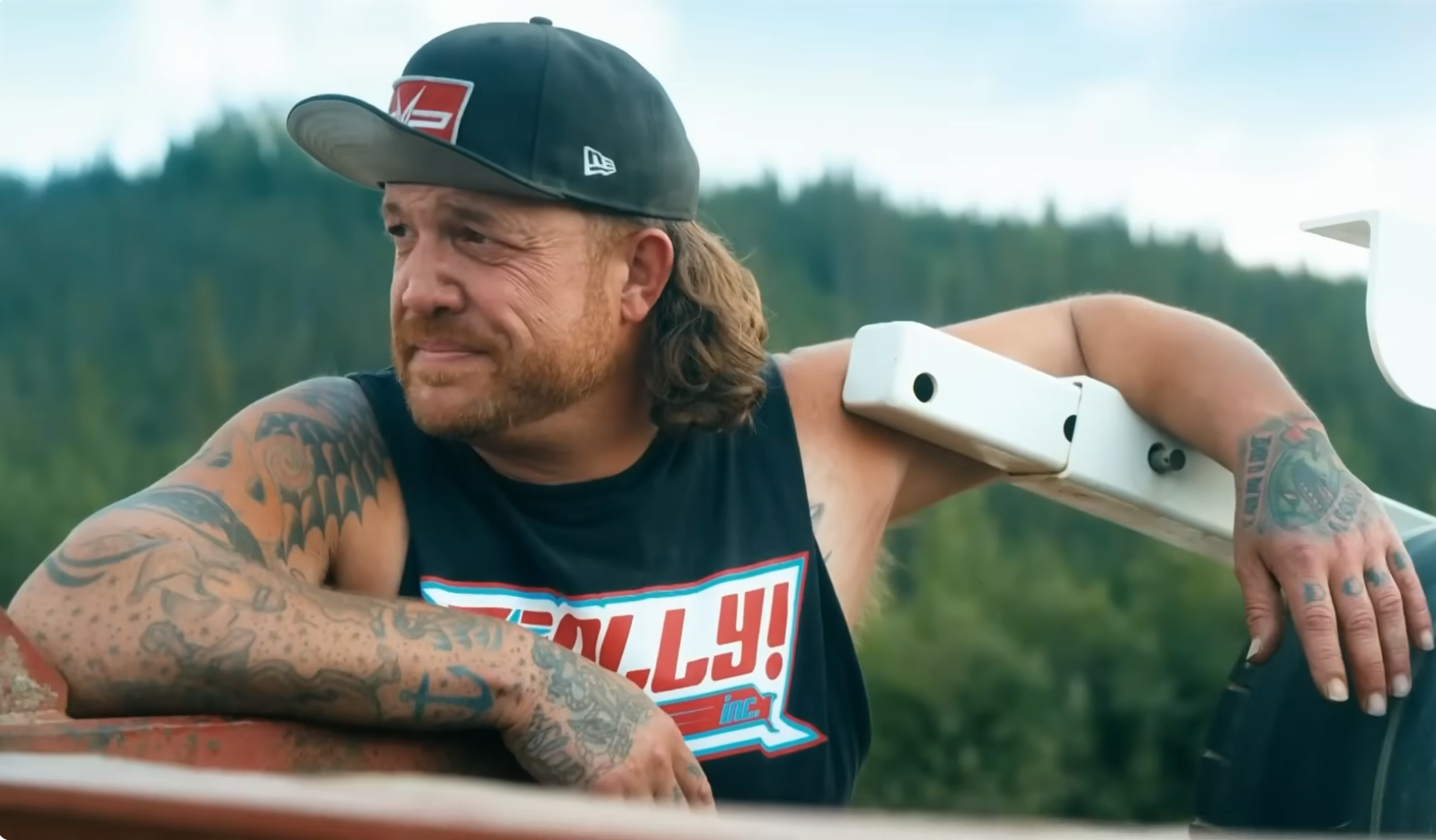
Yet as the season pushed forward, Rick’s focus expanded beyond the immediate weekly totals. He is weighing a choice that could define his next year: return to the reliable Indian River ground associated with Tony Beets, or build a longer-term plan at Duncan Creek — a property that offers both rich hot spots and frustrating dead zones.
Given access to more than nine miles of largely untouched ground along the creek, Rick chose to look at the terrain from above, hiring a helicopter to scan bends and inside corners where slower water flow typically deposits heavier material — including gold. From the air, he identified a “lazy bend” that looked promising, drawing confidence from a previous find: a 1.5-ounce nugget discovered in a similar feature.
The decision to bulk-test the location came with risk. Getting equipment into the area was difficult, with steep frozen banks and permafrost threatening traction. But Rick’s crew managed to haul roughly 200 yards — about ten truckloads — back to the wash plant. The results were instantly meaningful.
The test produced 4.14 ounces, more than two ounces per 100 yards, a strong performance compared with the typical benchmark of roughly one ounce per 100 yards on dependable Indian River ground. Rick and his crew read it as a clear sign: Duncan Creek could deliver serious profitability if they could identify and access the right streaks consistently.
That optimism was reinforced when the team’s weekly run — combining the test and the rest of the week’s material — produced 80.66 ounces, worth around $153,000. It was enough to pull Rick closer to his larger target and to sharpen his belief that the best ground of his career might be within reach.
However, the season also illustrated how quickly momentum can be interrupted. A newly purchased pump, costing around $150,000, created a fresh crisis when it delivered volume but not the pressure needed to wash pay properly. After gauges and calculations, the team concluded the pump was the wrong type for the job — a costly mistake that left Rick visibly furious with himself and temporarily unable to run his pay at full efficiency. Later fixes to hose integrity and spray-bar flow finally improved washing performance, with visible gold appearing in the sluice runs — a critical reassurance when confidence was strained.
Even after mechanical solutions, water became the defining enemy again. Seepage and backup from wash water began flooding Rally Valley, forcing Rick to shut down operations and move his only working pump a thousand feet to drain the cut before valuable pay became unreachable. The crew raced to stockpile remaining material down to bedrock under increasingly unsafe conditions. Despite the stress, the results were extraordinary: Rally Valley produced 432.17 ounces in a major weigh, worth just over $1 million, pushing Rick’s seasonal Rally Valley total to 929.75 ounces — more than $2.3 million.
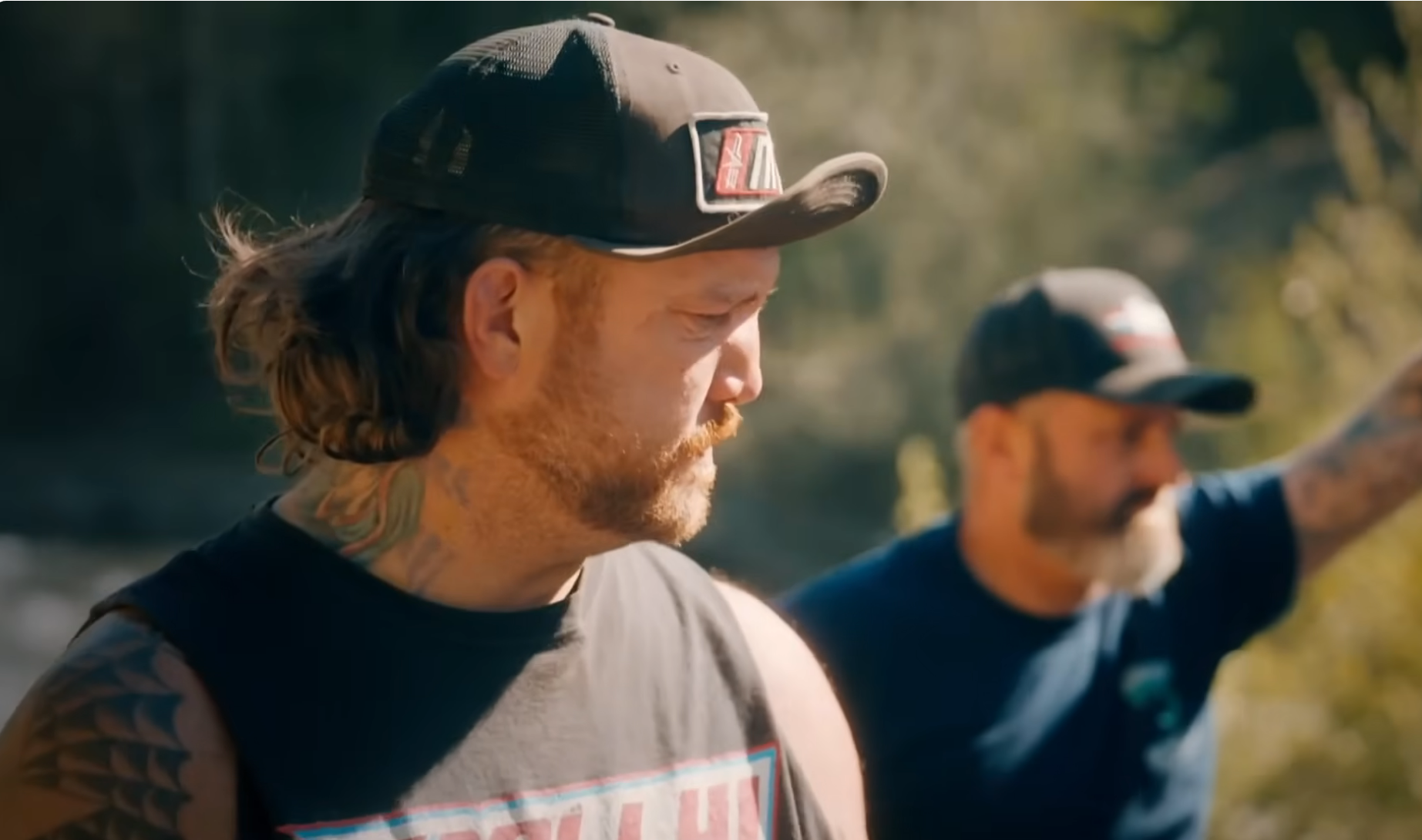
But success did not guarantee stability. Once Rally Valley was mined out, Rick’s backup plan — moving to the Bench cut — collapsed when he discovered the ground was still frozen solid. With the crew running out of pay and time tightening, Rick was forced into rapid decisions again: find a new workable zone, keep the wash plant fed, and hold the team together as fatigue and frustration set in.
That pressure spilled into crew dynamics. Tension emerged around foreman Buzz, with complaints about him sleeping on equipment and frustration over roles and responsibility. Rick confronted him directly, making clear the operation could not afford disengagement. The conversation ended with a reset — blunt communication, an agreement to move forward, and the clear understanding that with a small crew, everyone must pull in the same direction.
At Duncan Creek, the pattern is now unmistakable: big rewards exist, but they come attached to constant volatility — breakdowns, water threats, and difficult choices about what ground to trust. For Rick Ness, the question is no longer whether Duncan Creek can pay. It is whether he can read it fast enough — and keep his crew and equipment intact long enough — to turn that promise into a sustainable future.