What Sparked Parker’s Alaska Breakthrough — And Why This Find Changes Everything
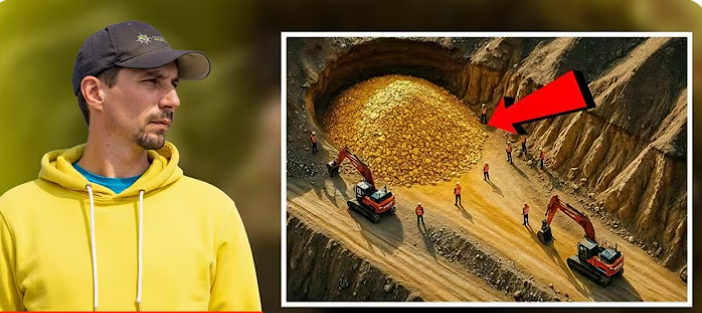
Halfway through the Gold Rush season, Parker Schnabel finds himself in the middle of one of the most demanding chapters of his mining career. What began as a routine push for gold has escalated into a relentless, high-pressure operation deep in Alaska’s unforgiving wilderness—a place where freezing winds cut through abandoned mine shafts, machinery groans under the strain, and every decision carries the weight of risk and reward.
But this year, Parker did more than chase gold. He pursued an audacious strategy—one that divided his crew, stretched his resources, and tested the limits of his leadership. It is a gamble that may ultimately reshape the future of his mining empire.
A Young Miner With an Unusual Plan
At just 22 years old during the events of Parker’s Trail, Schnabel set out to follow in the footsteps of early Alaskan miners, pushing into terrain where few modern crews would willingly go. With him were long-time foreman Rick Ness, wilderness guide Karla Ann, and cameraman James Levelle—each handpicked for a demanding mission that required stamina, grit, and absolute trust.
But assembling the team wasn’t easy. Schnabel himself admitted that Rick was “the last guy” suited for this kind of expedition. Karla’s enthusiasm and wilderness experience were essential, but her presence couldn’t offset the tension that soon brewed between Parker and Levelle. As the days turned into weeks, the physical strain revealed deeper fractures within the group.
“We were together 18 hours a day for a month,” Schnabel recalled. “There was no escape. The psychological challenge became just as tough as the physical one.”
Behind the Breakthrough: A Two-Team Strategy No One Expected
What made this expedition truly different was Schnabel’s decision to split his operation into two specialized teams, each with a contrasting mission.
The Wolf Cut Crew took on the long-term gamble. Their task was grueling: push deep into untouched permafrost, thawing and excavating frozen earth in search of a potential future gold source. For weeks, they produced little more than gravel and mud.
Meanwhile, the Drift Cut Crew, led by Mitch and Tyson, faced immediate pressure. They had to bring in gold quickly to finance both operations. Every empty pan tightened the financial strain, and every breakdown raised the risk of total seasonal collapse.
For a time, the strategy looked doomed—one team draining resources, the other unable to replenish them.
Then everything changed.
Two Discoveries That Transformed the Season
After weeks of exhausting effort, the Wolf Cut crew finally struck pay dirt. Their sluice box began capturing coarse, heavy gold—evidence of a rich deposit capable of sustaining long-term operations. Almost simultaneously, the Drift Cut crew uncovered a dense gold pocket powerful enough to finance the entire season.
In a matter of days, Parker’s high-risk plan had paid off on both fronts.
But the victories brought new challenges. The sheer volume of material overwhelmed Parker’s aging wash plant, which struggled to keep pace. Breakdowns became constant. Fine gold was lost. Hours slipped away.
Schnabel needed a solution—and he needed it fast.
Enter “Mighty Big Red”
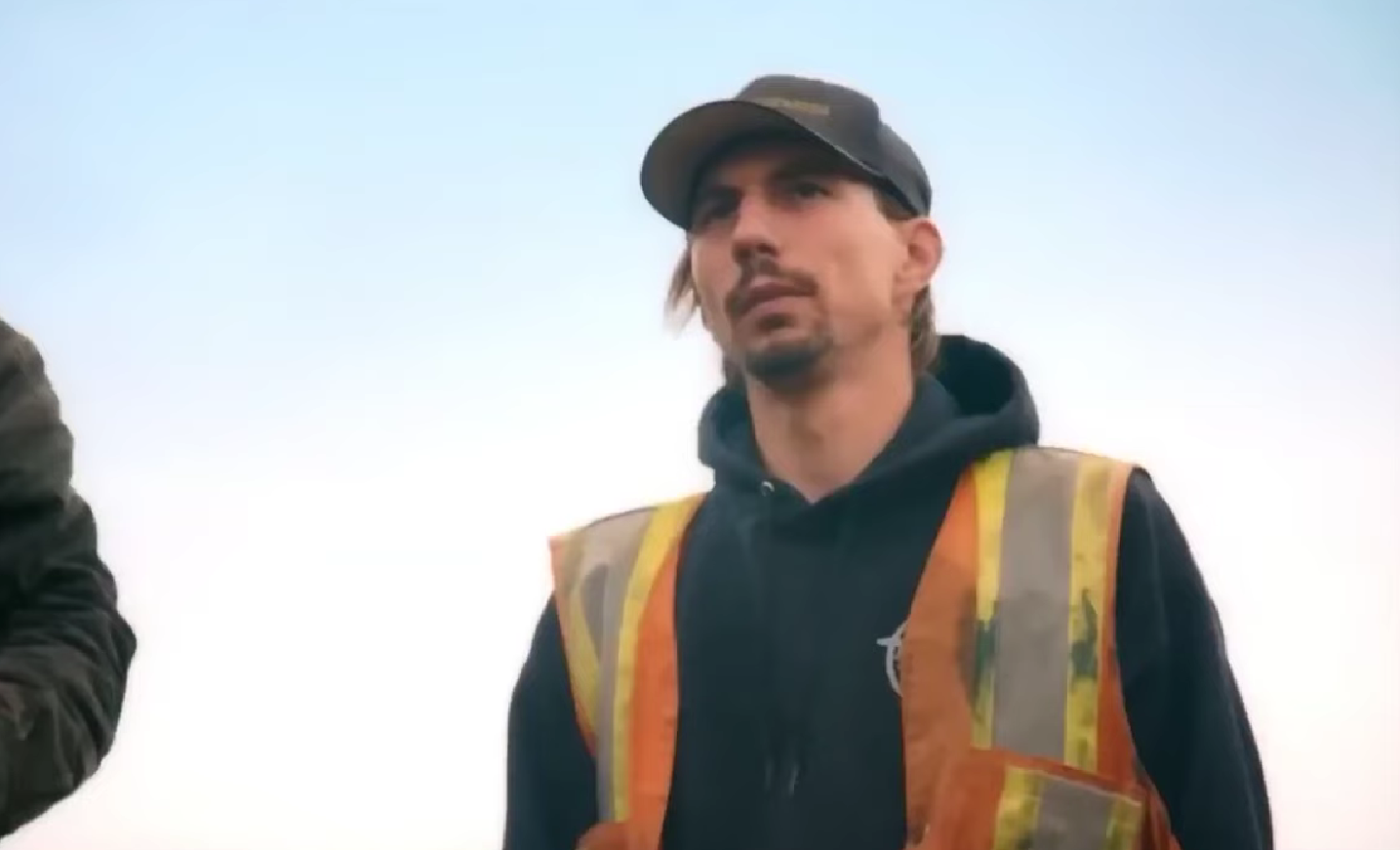
To handle the surge in pay dirt, Parker invested in a state-of-the-art wash plant known as Mighty Big Red—a massive, industrial-scale machine capable of moving hundreds of yards of material each hour. But assembling it required near-continuous effort, and every hour of construction meant lost gold production.
Even after the plant came online, it came with growing pains. Mechanical failures—including a torn screen that forced the crew into a dangerous repair—threatened to derail Parker’s progress.
Yet when the machine worked, it delivered astonishing results. One cleanup yielded over 51 ounces of gold. Another, processed through the legendary Sluicifer plant, came in at 360.5 ounces—worth nearly $600,000.
It was one of the most impressive cleanups in modern Gold Rush history.
And the momentum didn’t stop there. On one remarkable day, the mine processed enough pay dirt to recover more than 253 ounces, valued at more than $820,000 at today’s prices.
Rewarding the Crew That Made It Possible
Recognizing the extraordinary effort of his team, Schnabel made a rare and symbolic gesture: he awarded each crew member a bonus of raw, unrefined gold worth $12,000.
It was not only a reward, but a reminder of the physical reality behind their work—the metal they battled frozen earth, sleepless nights, and mechanical chaos to recover.
The Science Behind the Strike
Although some viewers wondered whether the show’s dramatic cleanups were heightened for television, the geology behind Schnabel’s success is well-documented. His crews had tapped into an ancient pay streak formed at the end of the last Ice Age. As glaciers melted, gold—nearly 19 times heavier than water—settled into dense, concentrated pockets along the prehistoric riverbed.
This was no lucky break. It was a scientifically plausible find, supported by decades of regional mining history.
Separating Myth From Reality
As news of Parker’s success spread across the Klondike, rumors proliferated—claims of “producer gold,” off-screen cleanups, and scripted drama. But mining operations are heavily regulated, and the enormous weights shown on camera would be nearly impossible to fake.
What is true is that television reveals only a fraction of the brutal grind behind each cleanup. The exhaustion, the financial risk, the machinery failures, and the thousand hours of digging for every ounce recovered—these remain mostly invisible.
What viewers see is a lightning strike of success. What they don’t see is the storm that preceded it.
A Defining Moment in a Young Career
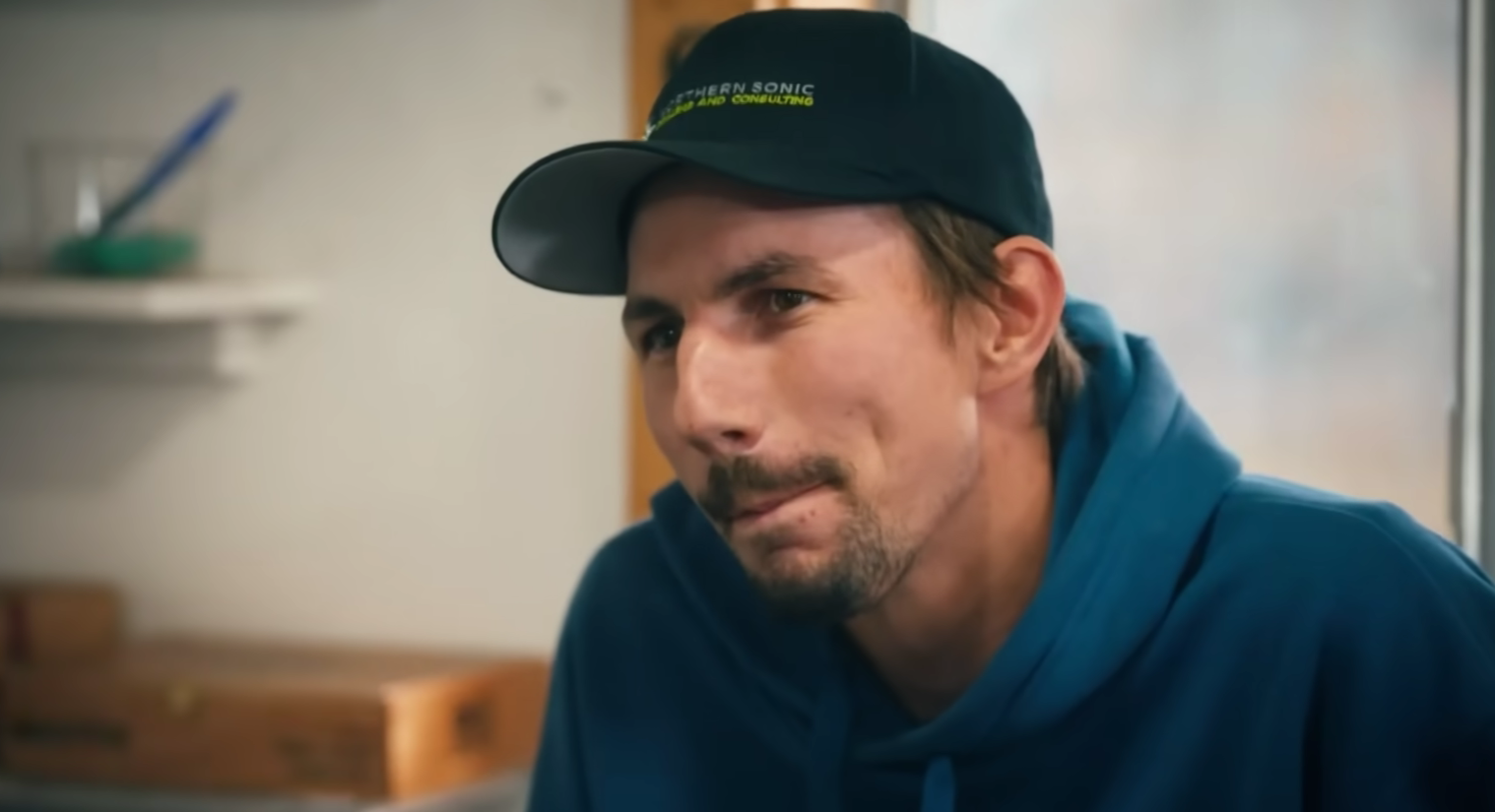
Parker Schnabel’s Alaskan gamble stands as one of the most ambitious undertakings of his mining life. It proved that even in a world shaped by history and geology, innovation and risky strategy can still change the game.
But whether this breakthrough is a repeatable formula or a once-in-a-lifetime convergence of luck and genius remains an open question—one that Schnabel himself will test in the seasons to come.