Jacob Steps Up as Tony Beets’ Indian River Operation Pushes Past 1,000 Ounces
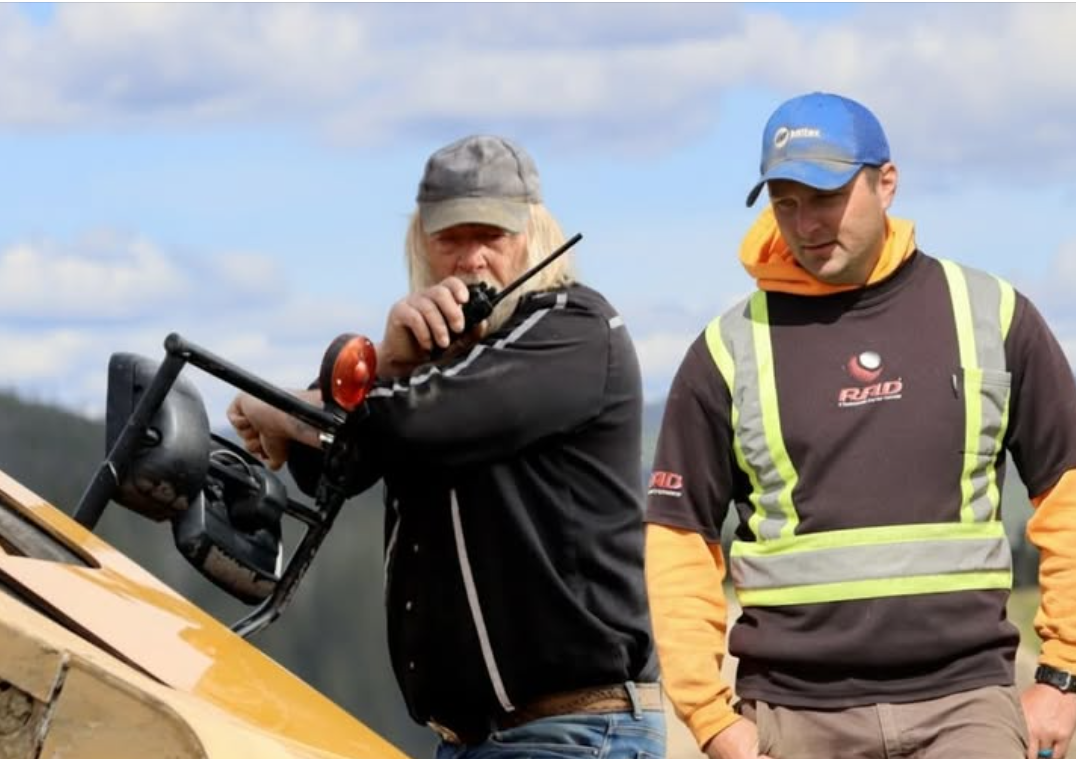
At Indian River, momentum is everything. And for Tony Beets, the self-styled “King of the Klondike,” the early weeks of the season have delivered exactly that.
Five weeks into operations, Beets’ flagship cut has already produced 775 ounces toward an ambitious 6,500-ounce season target. With gold prices holding strong, every day of uninterrupted sluicing represents significant revenue. But when a sudden personnel gap threatened to disrupt the rhythm, the spotlight shifted to one of the crew’s newer faces.
Cousin Mike, a key figure in the Indian River hierarchy, was forced to fly to Europe for a family emergency. His temporary absence left a leadership vacuum at a critical stage of the season.
“I’m not happy because I need more people in charge,” Beets said bluntly. “The lead man is gone, so to speak.”
A Test of Depth in the Ranks
In Mike’s absence, heavy equipment operator Jacob Moore was asked to step into the acting foreman role — a considerable leap for someone who only joined the Beets crew last season.
Moore, who has steadily earned trust through long shifts and consistent performance, suddenly found himself responsible not just for machinery, but for production continuity.
“It feels good to be successful up here helping out Tony,” Moore said. “The tasks he gives me every day put out that more trust and confidence in my work ethic.”
At Indian River, trust is not handed out lightly. Beets runs one of the largest family mining operations in the Yukon, and expectations are uncompromising.
“As far as I’m concerned, everybody’s replaceable,” Beets remarked earlier in the week — a reminder of the high standards that define the camp.
Groundwater and Mechanical Threats
The first challenge came quickly. While stripping pay dirt in the Early Bird cut, Moore identified excessive groundwater pooling in the excavation zone.
“You can’t dig pay under water,” he noted. “You can’t see what you’re doing. We would leave too much gold behind.”
Rather than halt operations indefinitely, Moore coordinated a drainage solution, laying pipe to redirect water away from the cut. Within hours, pumping began and production resumed.
But the more serious threat emerged at the wash plant.
An unfamiliar noise reverberated through the sluice deck — a metallic rattle that signaled potential structural failure. Moore shut the plant down immediately.
Inspection revealed that bolts connecting the tailings chute to the shaker deck frame had vibrated loose. The instability caused the chute to slam repeatedly into the steel frame, cracking critical components.
“That is not good,” Moore said upon seeing the damage. “We can’t run this at all.”
In a high-output mining environment, a failed wash plant can cost hundreds of thousands of dollars in lost production within days. Moore and the crew moved swiftly, bringing in welders to repair cracks and reinforce the chute assembly.
The plant remained down for approximately three to four hours — a manageable setback under the circumstances.
“Couple of seconds, man, could have been a big change in what we’re doing today,” one crew member observed, acknowledging how close the operation came to a far more damaging failure.
Pressure From the Top
As repairs neared completion, Moore received the call no acting foreman wants to get mid-crisis: Tony was on his way to site.
“Tony just called. He wants to know if we are…” came the message over the radio.
Moore responded confidently that they would be operational within 20 to 30 minutes.
When Beets arrived, the wash plant was once again running, rocks moving across the shaker deck and gold flowing into the box.
“Well, what’s up?” Beets asked upon inspection.
“The plant was all cracked. Got it all welded up and back,” Moore replied.
Beets’ reaction was succinct but telling: “Awesome, Jacob. Good job, man.”
For a leader known more for critique than praise, the endorsement carried weight.
Numbers Tell the Story
The week’s gold weigh-in offered measurable validation. Despite the short downtime, the Indian River operation recovered 250.74 ounces — worth approximately $878,000 at current prices.
The tally pushed Beets’ cumulative season total past 1,000 ounces, reaching 1,025 ounces just five weeks into the campaign.
“That’s not bad,” Beets said understatedly.
From an operational standpoint, the rapid recovery underscores the resilience built into the Indian River setup. With two wash plants and experienced heavy equipment operators, the site remains Beets’ primary revenue engine this season.
“First sluice right now in the Indian River is our only money maker,” Beets had stated earlier. “So we make sure we keep that going.”
Succession in Motion?
Beyond the immediate numbers, Moore’s performance may signal a broader shift within the Beets organization.
With Mike temporarily away and increasing production pressure across multiple claims, the ability to elevate dependable crew members becomes essential. Moore’s handling of both water management and structural repairs demonstrated composure under pressure.
“He’s stepping up,” Beets later acknowledged. “It’s not rocket science.”
In the Klondike, however, it rarely feels simple. Equipment failures, groundwater intrusion, and personnel gaps can derail even the strongest start. For now, Indian River remains on track.
Gold prices are favorable. The boxes are filling. And with more than 5,000 ounces still standing between Beets and his season goal, the early weeks suggest that depth — not just machinery — may define how far this campaign goes.
For Jacob Moore, the test came sooner than expected. And for Tony Beets, the message is clear: the next layer of leadership may already be forming on the pit floor.