Parker Schnabel Hits a Turning Point: What Rock Sand’s Big Move Reveals About His Season
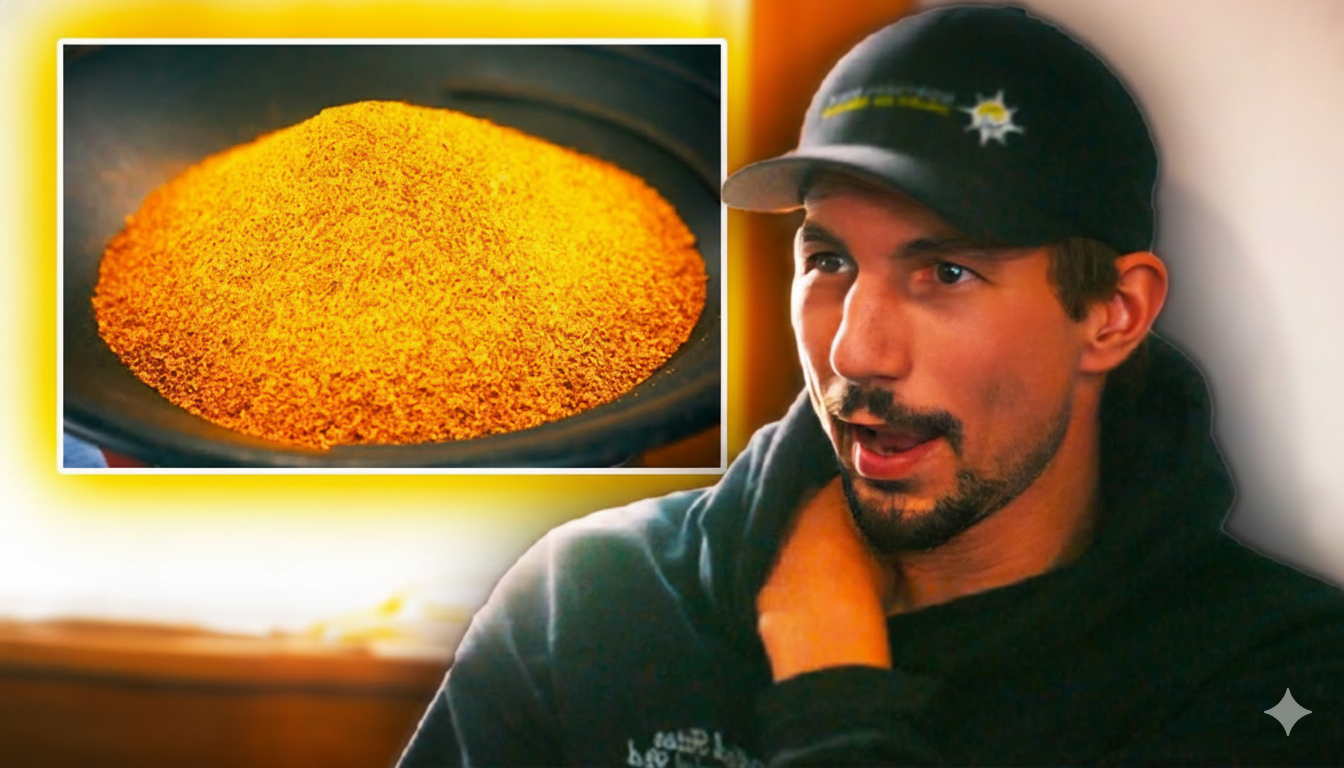
As the Yukon season enters its most demanding stretch, Parker Schnabel’s operation is balancing progress, pressure, and the constant logistical challenges that define large-scale mining in the far north. Three wash plants—Big Red, Big Bob, and Rock Sand—have been working across three separate sites, each at a different stage of extraction. And this week, the entire effort hinged on a high-stakes transition: moving Rock Sand out of a depleted section of the long cut and into the next productive zone before production slowed to a halt.
The week began on the Indian River, where Parker’s reduced-size crew continued processing Kenan Stewart’s reliable pay ground with Big Bob. Meanwhile, at Dominion Creek, Parker’s main team continued to work the vast 114-acre bridge cut, peeling pay from the top layer with Big Red. But one and a half miles away, the most significant shift of the week unfolded: the first half of Parker’s ambitious 20-acre long cut had finally been mined out.
That meant one thing—Rock Sand had to be relocated quickly.
A Race Against Time at the Long Cut
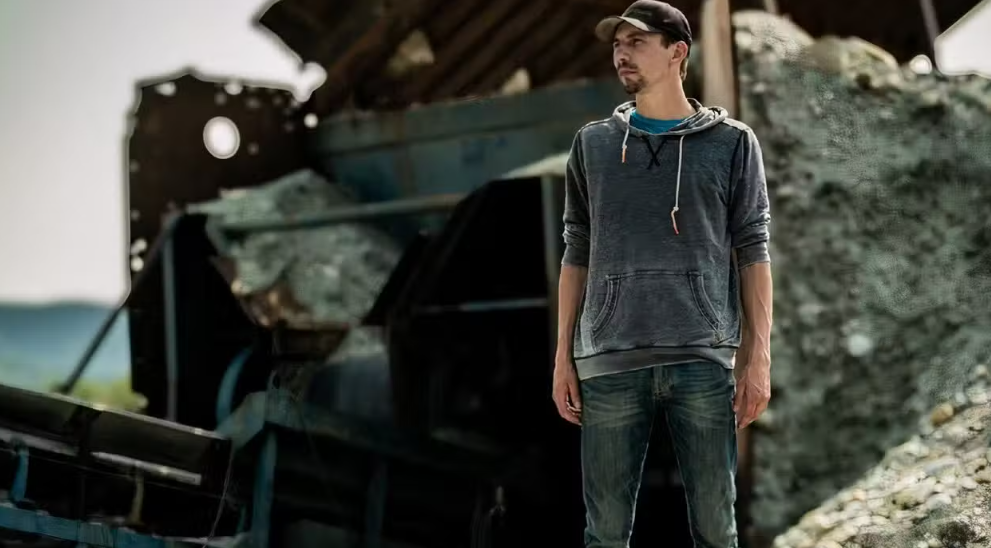
The transition began with Tyson, who has taken a leading role in plant moves this season. As the pay from the first half of the long cut ran out, he radioed Jacob with the news: the pit was empty. What followed was a rapid reorganization that would normally take a full day, but Tyson’s team had far less time to spare.
Moving Rock Sand was no simple lift-and-shift. The process required pulling the feeder, digging out the pipeline, relocating the generator, moving the sluice runs, transporting the shaker deck, and dragging the entire wash plant system more than a mile across uneven terrain—and past a pond more than 25 feet deep.
Tyson remained calm throughout, repeating the mantra he learned early in his mining career: “Slow is smooth and smooth is fast.”
The sluice runs were moved first. Then, Liam and Tyson connected to the shaker deck for the long tow. The risk increased as they approached the pond edge—Tyson recalled a past season when a wash plant slid off a bank and disappeared into deep water. He wasn’t about to repeat that mistake. To protect the machinery, he spent time armoring the bank with available material, ensuring the plant had a secure footing.
With Rock Sand finally positioned on its new pad, the conveyor was dragged into place. To the crew’s relief, Tyson managed to align it correctly on the first attempt—a rare feat in wash plant setup.
Trouble With the Pump
After five hours of continuous movement, the plant was ready. The only missing element was water. The crew waited for the pump to pressurize, but nothing happened. Tyson suspected air was entering the intake line, creating an air lock, and the team quickly checked bolts and hose clamps.
A single loose bolt proved to be the culprit. Once tightened, the system cleared, the pump surged to life, and water flowed through the plant. With that, Tyson called for feed. Rock Sand was sluicing again—and just in time to meet Parker’s deadline.
“Dirty rock in one end, clean rock out the other,” Tyson noted with relief. “Now the real race begins—keeping it fed.”
Training the New Crew
Back at camp, Mitch checked in with Parker and updated him on the week’s challenges. A jam in the hopper feeder had forced one of the newer operators, David, to troubleshoot under pressure. For Mitch, this was an essential lesson: problems reveal themselves the moment operators become too comfortable.
“Everything can run perfectly for days,” he explained. “Then suddenly it changes, and that’s when you learn the job.”
A Week of Strong Cleanups
With all three plants running again, Parker and his team entered the gold room with cautious optimism. The results did not disappoint.
Rock Sand—now operating in the new section of the long cut—delivered a significant improvement over its earlier average of just 138 ounces per week. Its cleanup totaled:
222.5 ounces, valued at $556,000.
Next came Big Red, which continued to run pay from the upper layer of the 114-acre bridge cut. Its cleanup produced:
82.8 ounces, worth approximately $207,000.
Finally, Big Bob, working Kenan Stewart’s ground on the Indian River, delivered an exceptional total.
The scale climbed past 260… 300… 330… until finally settling at:
346.8 ounces, valued at $867,000—its best cleanup of the season.
All together, Parker’s operation recovered 652.1 ounces for the week, bringing the season total to:
2,345.3 ounces.
Momentum Returns
“The curve is climbing,” Parker noted, studying the totals. “Everything’s improving.”
After weeks of relentless effort, the operation is finally gaining momentum. With Rock Sand in its new position, Big Red steady at Dominion, and Big Bob outperforming expectations, Parker has positioned his operation for a strong second half of the season.
But as always in the Yukon, progress is only as secure as the next breakdown, the next weather shift, or the next ground surprise. For now, though, the system is running, the crew is steady, and the gold is flowing—exactly what Parker needs as he continues pushing toward another ambitious season total.