Parker Schnabel’s biggest gold discovery ever in Alaska!
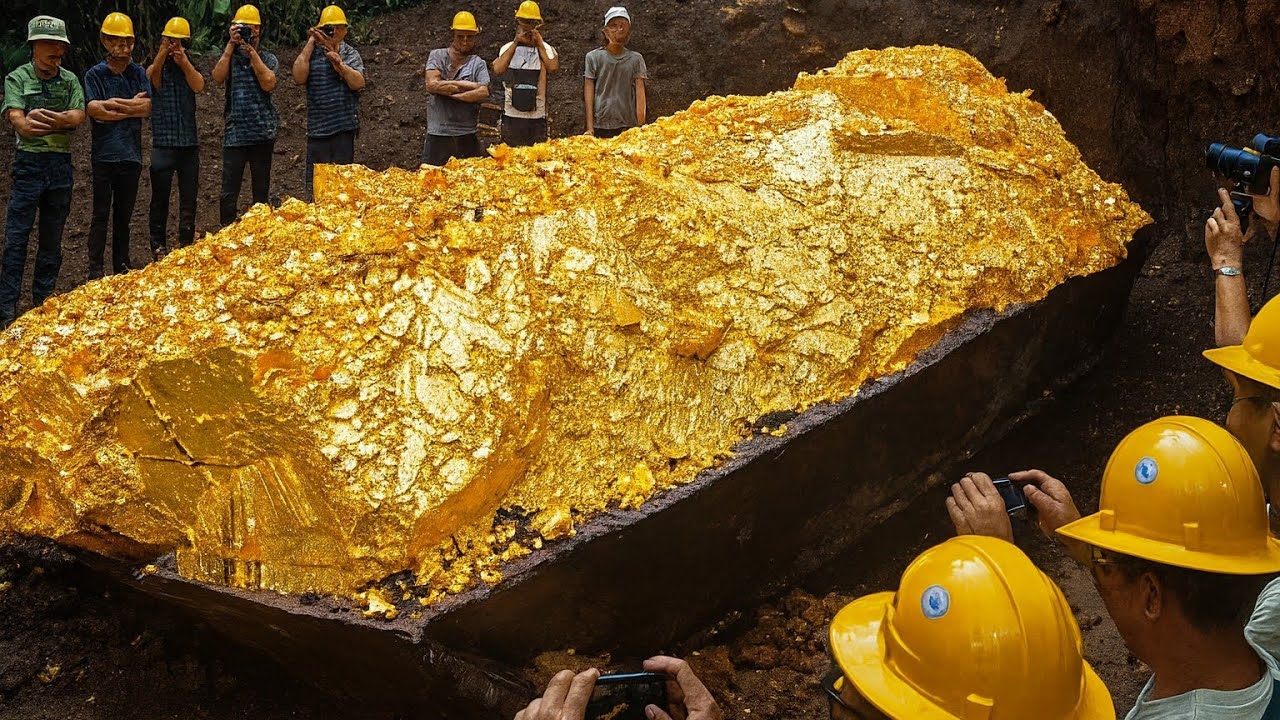
For years, Parker Schnabel has been known as one of the most determined miners in the Yukon and Alaska. But his latest venture — a bold leap into a legendary and hazardous stretch of land known as the Widow’s Cut — may have secured his place in gold mining history. What began as a high-stakes gamble valued at $15 million developed into what some experts are calling a once-in-a-century discovery: an ancient, gold-rich deposit estimated at nearly $80 million.
The find, buried beneath layers of permafrost and rock, has since been described as Alaska’s hidden “waterfall of gold,” a prehistoric formation that acted like a natural concentration system for thousands of years. But the path to uncovering it was far from simple — and nearly cost Parker everything.
A Claim Considered Too Dangerous to Touch
The Widow’s Cut is infamous among northern miners. Stories about it circulate quietly in bars across the Yukon: tales of collapsed shafts, frozen caverns, and impossible ground conditions. The site had been avoided for decades. The risks were enormous; the potential reward, purely speculative.
But Parker, armed with ambition and driven by instinct, saw possibility where others saw danger. He invested millions into highly advanced LIDAR-based geological surveys. The data revealed something extraordinary — the buried remnants of an ancient waterfall system, positioned in a way that could have trapped and concentrated gold over millennia.
If correct, it was the kind of formation that miners dream about but rarely see. If wrong, it would have destroyed the financial stability of his entire operation.
Two Crews, One Enormous Risk
To pursue the discovery, Parker made a move that tested his entire team: he split his workforce.
One crew remained at the existing claim, tasked with keeping the operation financially alive. The second — his most experienced operators — was sent to the Widow’s Cut to wage battle against permafrost, moving thousands of tons of frozen earth just to reach workable ground.
The financial pressure was intense. Fuel alone cost tens of thousands of dollars per day. A single D11 dozer could cost more than $500 per hour to operate. And with winter approaching, the window for success was closing rapidly.
In both camps, morale fluctuated. Crews pushed through exhaustion, mechanical failures, and days where the gold failed to appear. Tension mounted. Expectations climbed higher. And still, the payoff remained uncertain.
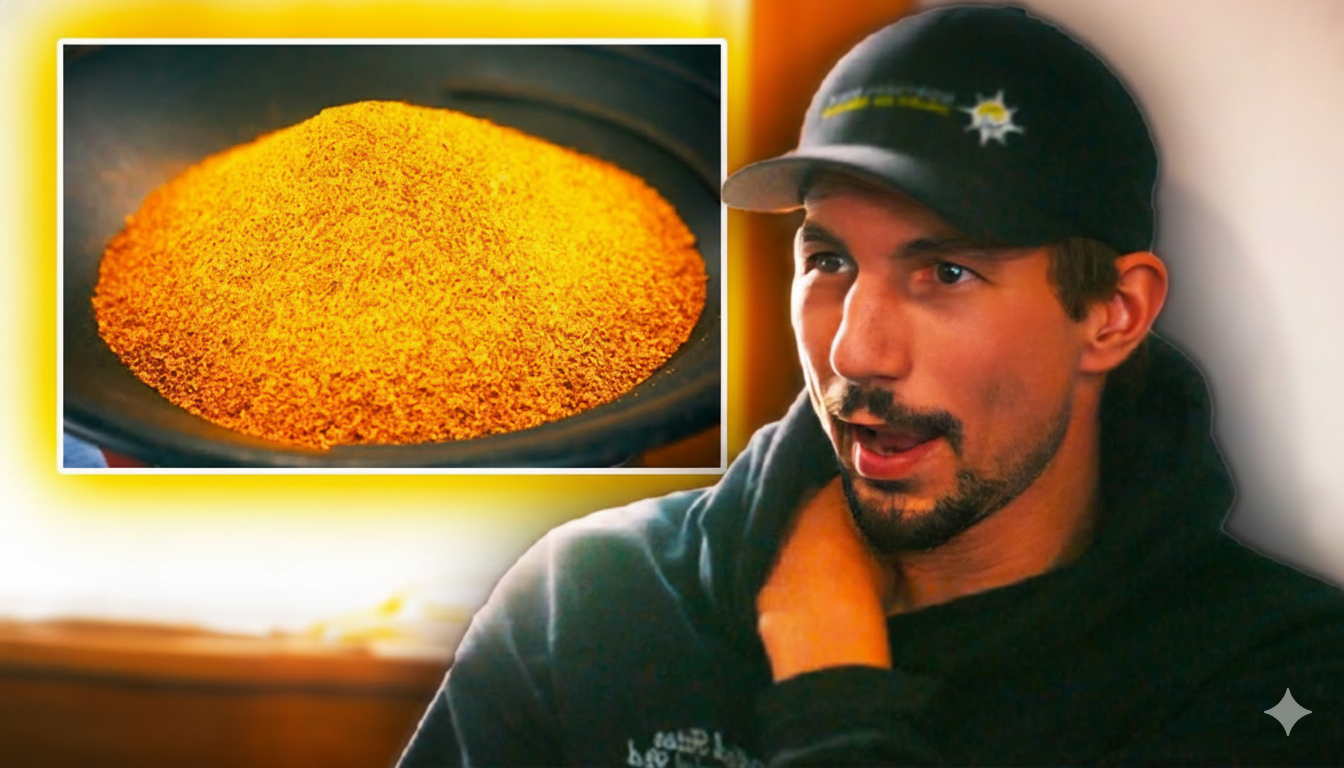
Assembling Big Red: A Machine Built for the Impossible
The Widow’s Cut demanded heavy machinery — and Parker brought in the biggest asset he had: Big Red, his enormous custom wash plant capable of processing hundreds of tons of material per hour. Constructing it on unstable, frozen terrain required meticulous precision.
As the crew assembled the machine piece by piece, the dangers were obvious. One miscalculation, one slip of a chain or misalignment, could send the entire structure collapsing into the ice.
And then disaster struck.
Oversized rocks flooded the system. A critical screen ripped apart. Big Red shuddered violently and ground to a halt. The entire mine site fell silent. Every hour of downtime meant lost money — and with the financial stakes this high, even a short failure carried massive consequences.
The team scrambled to repair the damage. Working in freezing temperatures, with numb hands and dwindling morale, they pushed to get the machine running. The fate of the season depended on it.
A Breakthrough That Changed Everything
When Big Red finally roared back to life, the crew fed the first pay dirt from the Widow’s Cut into the plant. At first, it looked no different from any other frozen ground they had processed.
Then the gold appeared.
Not specks. Not thin lines. But thick, solid streaks glowing along the sluice. For a moment, the crew fell silent — stunned. They had seen strong cleanouts before, but never anything like this.
Tests confirmed it: the prehistoric waterfall system had acted as a natural concentrator, creating one of the richest deposits ever recorded on the show. Cleanout after cleanout produced staggering numbers. Where they once found grams, they now found ounces.
In a single week, they recovered more gold than some mines produce in an entire season.
Parker, emotional and exhausted, thanked his crew:
“This is a huge accomplishment. I really appreciate the effort you’ve put in.”
He had not only succeeded — he had shattered personal and regional records. The discovery quickly became known as one of the most extraordinary finds in modern mining.
The Aftermath: Profit, Pressure, and Public Speculation
As news of the $80 million estimate spread, so did debate. Online discussions revived long-standing accusations that television producers manipulate results or “salt” mines. Industry experts quickly dismissed these claims. Faking tens of thousands of ounces of gold — especially in frozen terrain, under geological scrutiny — would be impossible.
Yet the questions continued:
Was the valuation leaked strategically?
Was the land deal more complex than shown on camera?
Had Parker gained insider information before the survey?
And perhaps the most significant question: how much of the $80 million would actually become profit?
Between royalties, environmental costs, fuel, payroll, equipment repair, and investor shares, the true amount Parker may take home is far smaller than viewers assume. Mining, even at its most successful, remains an expensive, unforgiving business.
A Historic Discovery, With Impacts Still Unfolding
Despite the debates and financial realities, one fact remains: Parker Schnabel’s discovery at the Widow’s Cut stands as one of the most remarkable stories in contemporary gold mining. Against collapsing machinery, impossible ground, and monumental financial risk, he uncovered a deposit that will be talked about for years.
Whether seen as a triumph of skill, luck, or relentless determination, Parker’s achievement has redefined expectations of what is possible in the north.
His gamble paid off — in gold, in history, and in legacy.