Lisa Hogan shared her grief at Diddly Squat Farm after breaking down in tears.
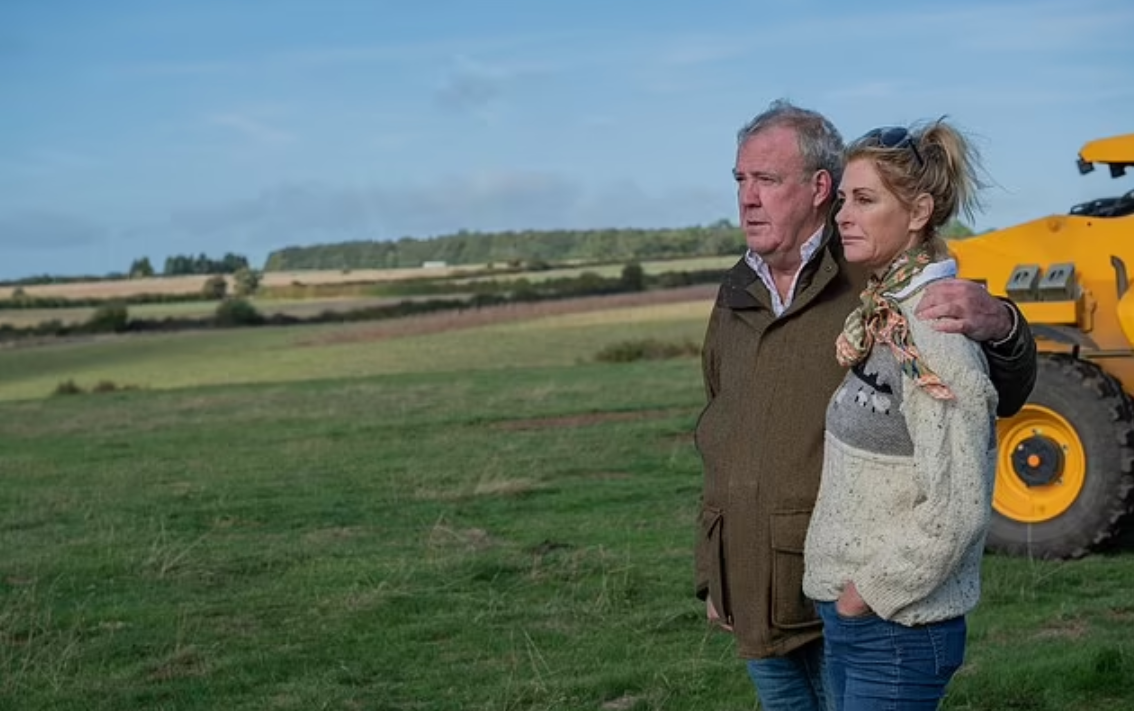
Lisa Hogan has spoken candidly about the emotional toll of life at Diddly Squat Farm, revealing how the deaths of animals during the latest series of Clarkson’s Farm became one of the most difficult experiences she and Jeremy Clarkson have faced since taking on farming.
In the third series of the Amazon Prime Video show, viewers see Diddly Squat welcome a drove of rare-breed pigs as Clarkson embarks on yet another attempt to make the farm financially viable. What begins as an optimistic new venture, however, soon develops into what Hogan has described as the saddest chapter of the programme so far.
Footage from the newly released trailer shows Hogan visibly distressed, breaking down in tears as she leans on Clarkson for comfort. Speaking openly about the scenes, the actress explained that she had not expected to form such a deep attachment to the animals.
“It was heart-breaking,” Hogan said. “Jeremy’s always loved pigs. I didn’t think I’d be that enamoured by them, but I did get really close. Farming’s just sad.”
Her comments highlight a side of farming that Clarkson’s Farm has increasingly brought into focus: the emotional strain that comes with caring for animals while knowing loss is sometimes unavoidable. Hogan said the isolation of rural life intensifies that experience.
“The animals become your friends,” she explained. “You’re isolated, and the animals become your family. When they become unwell, you’re losing members of your animal family.”
She went on to draw attention to the wider farming community, noting that what viewers see on screen only hints at the reality faced by many farmers. “If that’s how sad we can get in front of a TV crew, imagine the farmers who are alone and having to do it with nobody around them when they’re losing animal after animal. It’s incredibly difficult.”
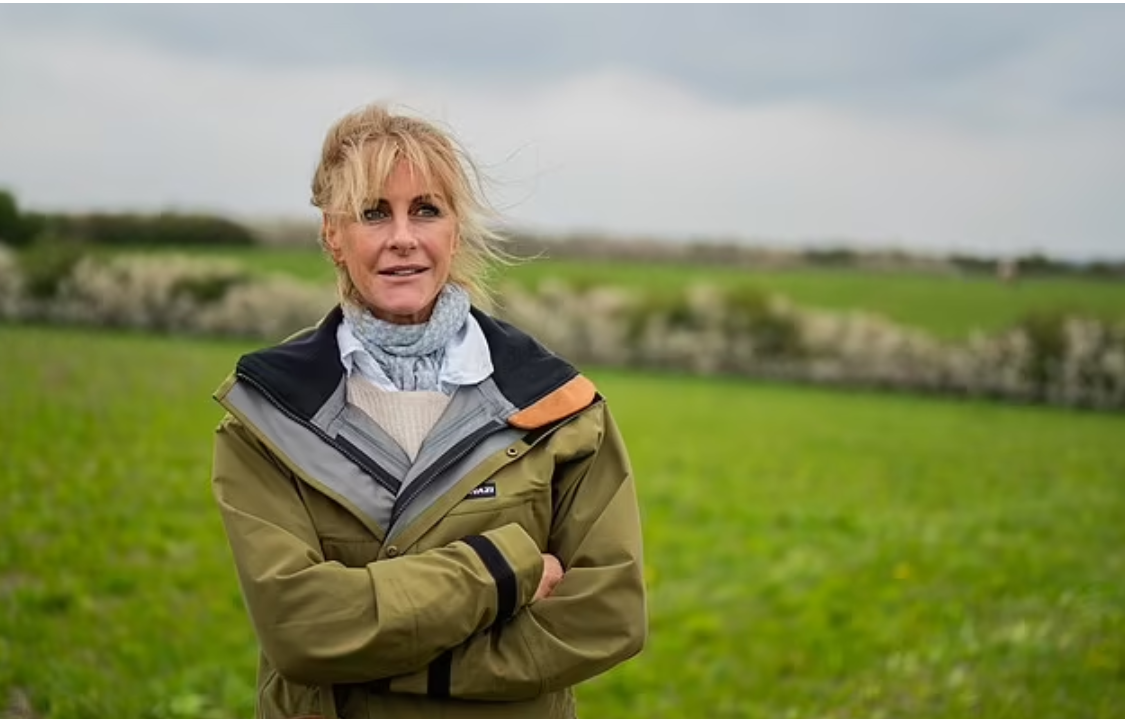
The third series follows the pigs’ arrival, their settling into woodland enclosures, and the challenges of birthing season. What should have been a hopeful period instead ends in deep disappointment, with Hogan and Clarkson struggling to come to terms with losses among the animals. Clarkson later addressed the issue during an Instagram Q&A, admitting that pig breeding had proven more difficult than expected.
“It turns out that pigs aren’t great mothers as a general rule,” he said. “But the sandy and black breed that we got makes for a particularly poor mother.”
Beyond the pigs, the new series continues to document the mounting pressures Clarkson faces from local authorities. Previous seasons showed lengthy battles with the council over opening a restaurant on the farm, while the latest episodes see fresh disputes emerge over the future of the farm shop and car park.
The shop, which has become a popular destination for visitors, faces the threat of closure as councillors scrutinise every aspect of its operation. Charlie Ireland, the farm’s land agent, once again finds himself acting as the intermediary, tasked with ensuring strict compliance with regulations.
Hogan admitted that the rules have caused friction, particularly when she was warned of the consequences of failing to follow them precisely. “Charlie had to have a serious conversation with me and say I could end up with a criminal record if I didn’t comply,” she said. “They’re council regulations, which I respect, especially after Charlie explained them to me in his clear and concise way.”
As Clarkson attends meetings to argue for the shop’s future, the series also shows how regulatory pressure affects the farm’s structure. The loss of the cow herd, a significant blow for Clarkson, coincides with the arrival of new animals, including goats, as he attempts to rethink how his land can be used.
Throughout it all, Hogan reflects on how farming has changed Clarkson himself. “I don’t want to go against what he’s said,” she remarked, “but I definitely think he’s becoming more a man of the land than a man of the road.”
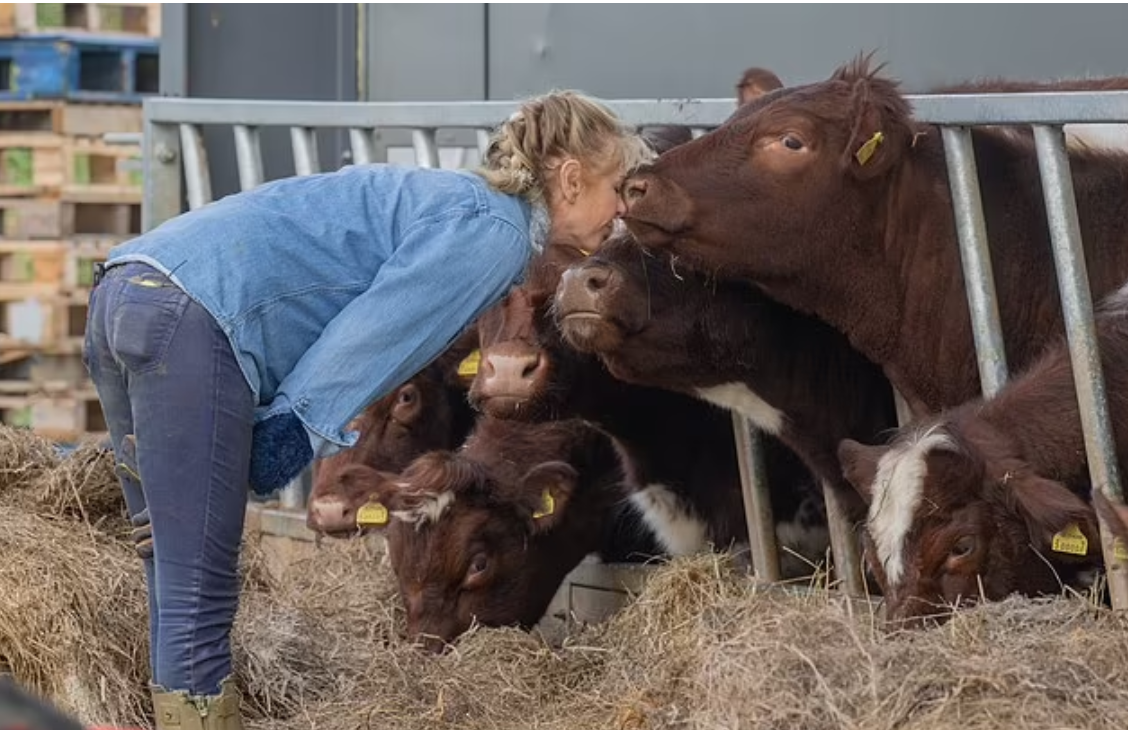
She also described the daily emotional swings that come with farm life. “Every day it’s emotional,” she said. “It can be really happy when the weather is perfect and you can get on with the job, or miserable when it’s raining, the crops are failing, and you can’t do a thing. It’s very difficult to be unemotional about it.”
For viewers, the third series of Clarkson’s Farm appears set to deepen the show’s reputation for presenting farming without gloss. While the programme retains its humour and Clarkson’s trademark bluntness, moments like Hogan’s tearful reaction underline the human cost behind decisions made in fields and barns rather than studios.
As the series returns, it does so with a renewed focus on the emotional realities of farming, from animal welfare to the strain of constant oversight. For Clarkson and Hogan, the experience has been transformative, offering not just television moments but a stark insight into the challenges faced daily by farmers across the country.