Marty Lagina’s On-Site Accident: What It Means for His Future on The Curse of Oak Island
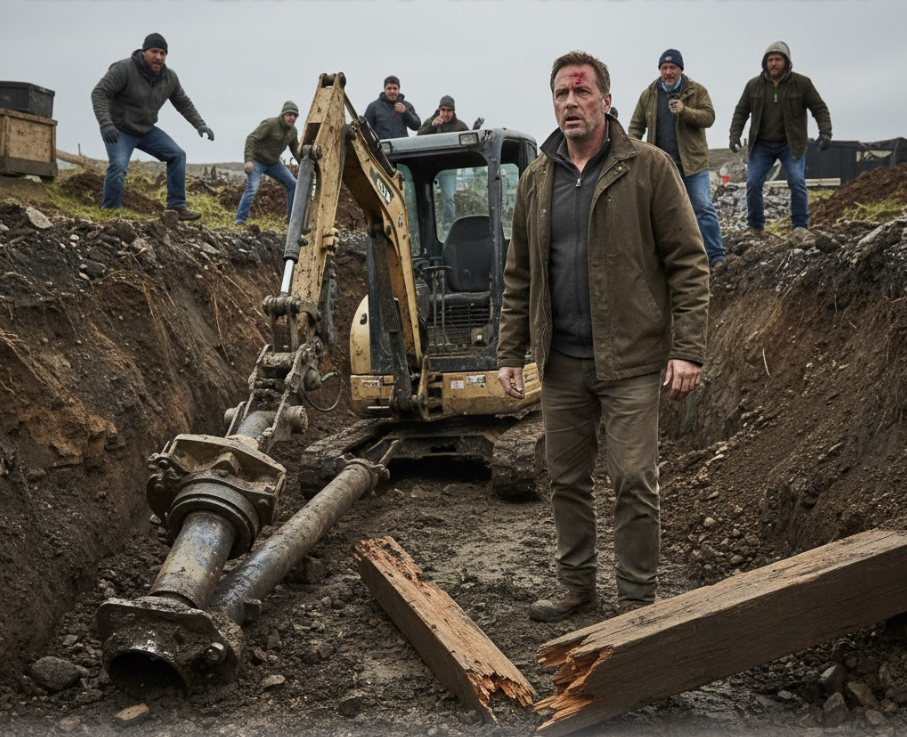
From the perspective of a long-time analyst of The Curse of Oak Island, moments that disrupt the rhythm of exploration often reveal more about the show’s future than any artifact ever could. News of Marty Lagina being involved in an on-site accident while exploring a mysterious rock formation has prompted exactly that kind of reassessment—both among fans and within the broader context of the series itself.
While the incident did not become a prolonged on-screen spectacle, its implications extend far beyond a single episode. For a show built on persistence, calculated risk, and long-term commitment, any event involving one of its central figures naturally raises questions about direction, leadership, and continuity.
Why This Moment Resonates
Marty Lagina has long represented the stabilizing force behind the Oak Island operation. His role is not defined by dramatic declarations or speculative leaps, but by engineering logic, financial discipline, and measured decision-making. When someone in that position experiences an accident—particularly during hands-on exploration—it reframes how viewers think about risk on the island.
Oak Island is often perceived as a cerebral pursuit: history, research, scanning technology, and careful excavation. Yet the reality is that much of the work takes place in confined, unstable, and unpredictable environments. Rock cavities, voids, and underground formations are inherently hazardous. Marty’s accident serves as a reminder that the danger is not theoretical—it is present every time the team pushes into unknown territory.
A Shift in Risk Awareness
From an analytical standpoint, this incident is likely to accelerate a trend already visible in recent seasons: increased caution and layered decision-making. Over time, the show has gradually shifted from aggressive physical probing toward a blend of technology-led investigation and selective excavation. An accident involving Marty reinforces the logic behind that evolution.
Viewers may notice greater emphasis on remote sensing, core sampling, and non-invasive analysis following this moment. Not because the team is retreating, but because leadership understands that the long-term viability of the search depends on minimizing unnecessary exposure. In that sense, the incident could quietly reshape how future explorations are approved and executed.

What It Means for Marty’s Role
Crucially, there is little indication that Marty Lagina intends to step away from the project. His identity on the show has never been tied to physical endurance or front-line digging alone. Instead, his influence lies in oversight—deciding where resources are allocated, when operations pause, and how data informs strategy.
If anything, the accident may reinforce Marty’s position as a strategic leader rather than a constant on-site presence in high-risk zones. Analysts familiar with long-running unscripted series often see this pattern: as central figures age and accumulate experience, their roles evolve from execution to guidance. That transition does not weaken the narrative; it strengthens it by highlighting institutional knowledge and continuity.
Impact on the Team Dynamic
Another layer worth examining is how the incident affects the broader team. Rick Lagina, in particular, has increasingly taken on the role of emotional and philosophical anchor for the search. Marty’s temporary vulnerability may accelerate that dynamic, placing more visible leadership responsibility on Rick in day-to-day operations.
This does not suggest a power shift so much as a rebalancing. The Oak Island team functions best when multiple perspectives intersect: Rick’s belief-driven persistence, Marty’s analytical restraint, and the technical expertise of specialists like geoscientists and engineers. An event like this clarifies those roles rather than destabilizing them.
Fan Perception and Narrative Tone
Audience reaction to the accident has been notably measured. Rather than sensationalism, the dominant response has been concern and reflection. That reaction aligns with how the show itself has matured. Early seasons leaned heavily on mystery and momentum; later seasons emphasize responsibility, patience, and respect for the unknown.
From a narrative standpoint, this moment deepens Marty Lagina’s character arc. He is no longer seen solely as the executive presence ensuring the operation’s feasibility, but as someone who shares the physical risks of the search. That shared exposure strengthens audience trust rather than diminishing confidence.
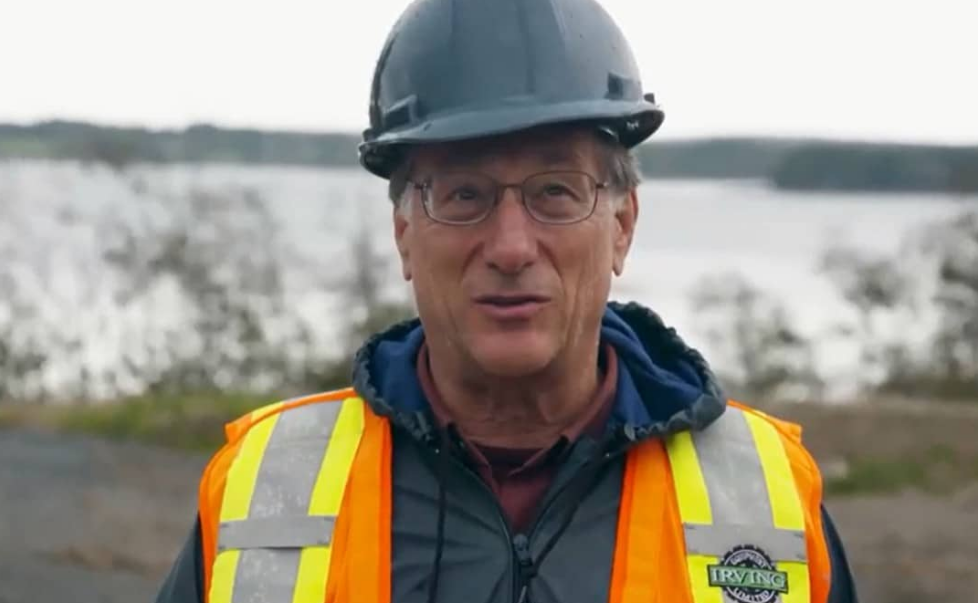
Long-Term Implications for the Series
Looking ahead, the most likely outcome is not a dramatic pivot, but a subtle recalibration. Expect clearer safety protocols, more deliberate pacing around high-risk features, and increased reliance on preliminary analysis before physical entry. These changes do not slow the story; they refine it.
Importantly, the show’s central question—what happened on Oak Island, and why—remains unchanged. What evolves is how that question is pursued. Incidents like this reinforce the idea that Oak Island is not a puzzle to be rushed, but a system to be understood.
Conclusion: A Moment That Reinforces, Not Redefines
Marty Lagina’s accident, while serious enough to prompt discussion, does not signal an ending or retreat. Instead, it marks a moment of clarity. It highlights the real-world stakes of exploration and underscores why experience, caution, and adaptability matter as much as curiosity.
For analysts and fans alike, this incident serves as a reminder that The Curse of Oak Island is no longer just about discovery. It is about stewardship—of people, of history, and of a mystery that demands respect as much as determination. In that context, Marty Lagina’s future appears not diminished, but more clearly defined than ever.