Tony Beets was furious after the new employee nearly damaged a $2 million excavator engine.

Six weeks into the Gold Rush season, Tony Beets continues to demonstrate why he remains one of the most formidable forces in the Klondike. While most of the crews are still finding their rhythm, Tony is navigating a high-stakes balancing act at Paradise Hill, where the elusive white channel pay streak has proven as demanding as ever. Despite banking just over 1,000 ounces of gold so far, Tony is far from satisfied. His sights are set on doubling production by running the sluice 24 hours a day—a first for this season—while simultaneously training a fresh cohort of greenhorns to operate under his exacting standards.
The challenge is multi-layered. Paradise Hill’s topography, combined with unpredictable weather and the inherent difficulties of mining permafrost-laden pay dirt, has forced Tony to carefully prioritize his crews’ efforts. “We’re back in the cold cut here,” Tony remarks, surveying one of the most promising six- and nine-acre cuts. “That is still a huge amount of pay dirt sitting down there.” Every day that passes without productive output is a tangible setback, and the pressure to maintain a relentless pace has intensified with three new greenhorn truck drivers joining the night crew.
Megan Gaudette, Tony’s veteran trainer, is responsible for shepherding these rookies into operational efficiency. The stakes are clear: each greenhorn must consistently haul 15 loads per hour to the wash plant, an ambitious target given their lack of experience. Under Megan’s guidance, the newcomers are quickly exposed to the discipline and precision Tony demands. “We have to start being more efficient,” Megan urges, emphasizing that every moment counts. For the greenhorns, the challenge is not just physical but mental, as they are forced to anticipate breakdowns, maintain a rapid pace, and navigate the complexities of a high-pressure mining operation.
The operational intensity at Paradise Hill is compounded by equipment issues. A recent incident with truck number four underscores the delicate balance of machinery and manpower. Thomas, one of the greenhorn drivers, ignored a lockout tag signaling that the truck required servicing. The consequences could have been catastrophic, potentially resulting in a blown engine and a significant production delay. However, Tony’s approach to management combines rigor with opportunity: rather than dismiss Thomas outright, he gives him a second chance under strict supervision. This reflects Tony’s philosophy that a mining operation is only as strong as its people, and that mistakes, when corrected, can become valuable learning experiences.
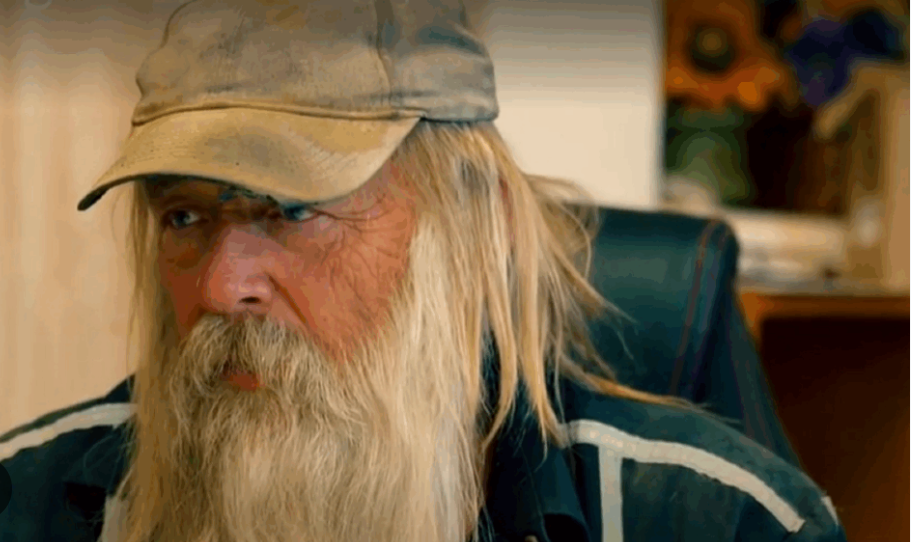
Back at the cuts, the Paradise Hill crews are laboring tirelessly to recover lost time. With pay dirt in abundance and gold visibly emerging during sluice runs, the decision to double down on production has begun to pay dividends. The new greenhorns, now operating at full capacity, are helping maintain the momentum necessary to meet Tony’s ambitious targets. “It’s nice to see these new drivers available to keep up,” Tony notes, underscoring the importance of integrating fresh talent into a seasoned, high-performing team.
Analysts observing Tony’s operations highlight the strategic complexity at play. Managing multiple cuts while maintaining equipment, monitoring pay streaks, and ensuring team efficiency requires a unique combination of foresight and adaptability. Tony’s ability to prioritize the right cuts while continuously training new workers is a testament to his decades of experience in the Klondike. Moreover, his willingness to extend opportunities to rookies reflects a long-term vision: developing skilled operators who can sustain productivity even under intense pressure.
The operational challenges at Paradise Hill also illustrate the inherent risks of gold mining at scale. Even minor missteps—delayed equipment repairs, mismanaged loads, or inexperienced operators—can quickly escalate into costly setbacks. Tony’s insistence on procedural rigor, including proper lockout protocols, reflects a broader understanding that safety, efficiency, and gold production are interdependent. The season’s success hinges on this delicate balance.
The stakes for Paradise Hill have broader implications for the entire Beets operation. With the elusive white channel still largely untapped, the potential rewards are enormous. If the greenhorns continue to meet Tony’s expectations, and if the crew successfully navigates the operational hazards, the mine could deliver a substantial portion of the season’s projected 5,000-ounce goal. However, any prolonged downtime—whether from mechanical failure or operational errors—could jeopardize this outcome.
From a narrative perspective, this episode of Gold Rush season 16 offers more than just numbers. It highlights the human element of mining: perseverance, mentorship, and the learning curve inherent in high-risk work. Parker Schnabel may dominate the media spotlight, but it is miners like Tony Beets and his crew who exemplify the endurance, expertise, and risk management that define the show. The integration of new greenhorns adds dramatic tension, showcasing the challenges of cultivating a reliable team under the relentless demands of gold mining.
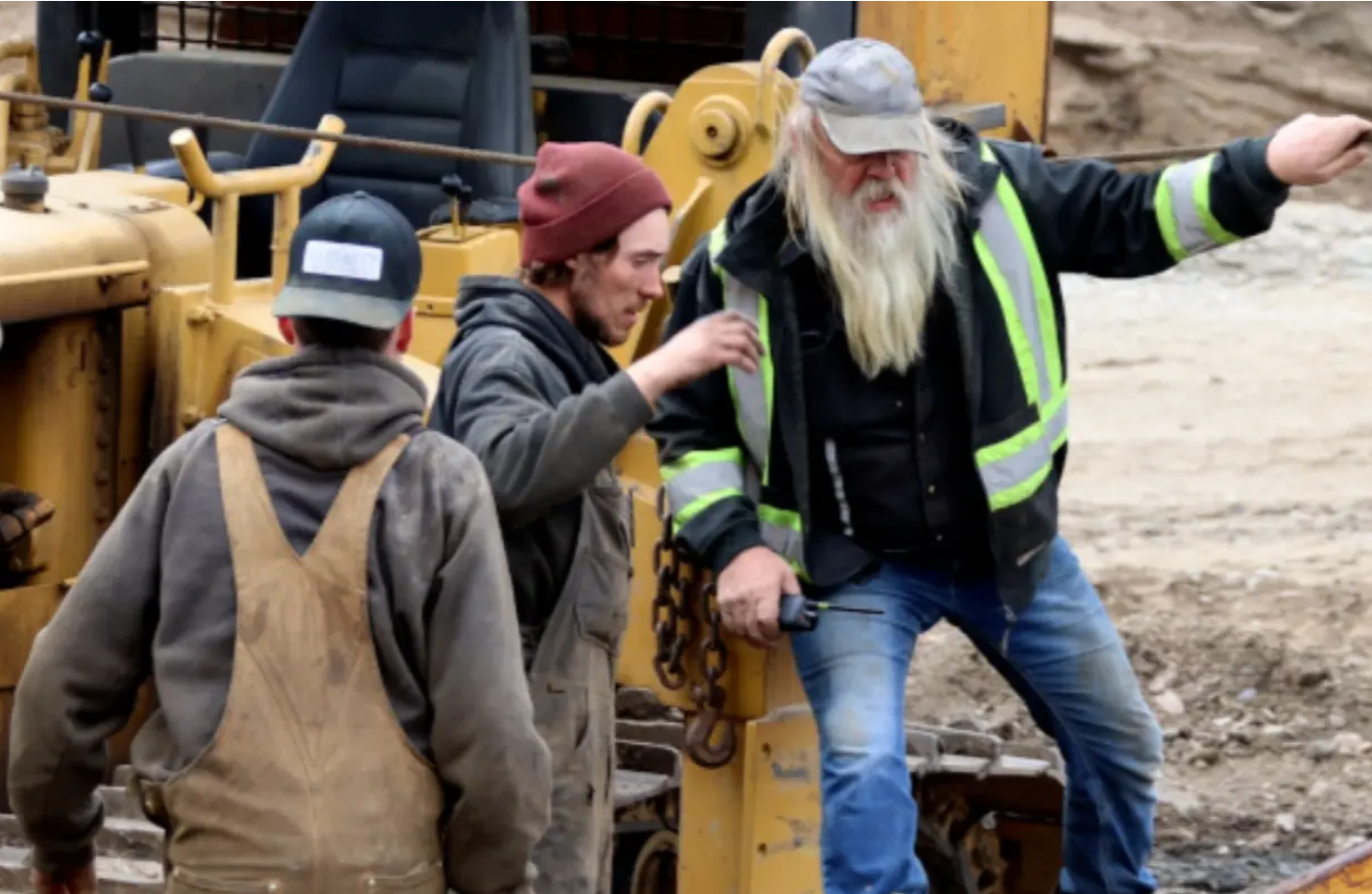
As Paradise Hill continues to hum with activity, the takeaway is clear: Tony Beets’ operation is a study in controlled chaos, strategic risk, and human resource development. The season is far from over, but current indicators suggest that the combination of abundant pay dirt, rigorous training, and operational discipline could yield one of the most successful stretches of the season. For fans and analysts alike, the unfolding drama at Paradise Hill is a compelling glimpse into the realities of modern gold mining—a delicate dance between fortune, machinery, and the people who make it all possible.
In the end, Tony’s gamble on manpower, machinery, and meticulous planning exemplifies the high-stakes, high-reward nature of Gold Rush. Whether Paradise Hill’s expanded cuts ultimately deliver the gold necessary to achieve the season’s target remains to be seen. But one thing is undeniable: under Tony Beets’ watchful eye, every load hauled, every machine repaired, and every greenhorn trained is a calculated step toward potential triumph.