Parker Schnabel Just Found Something That Changed Gold Rush History!
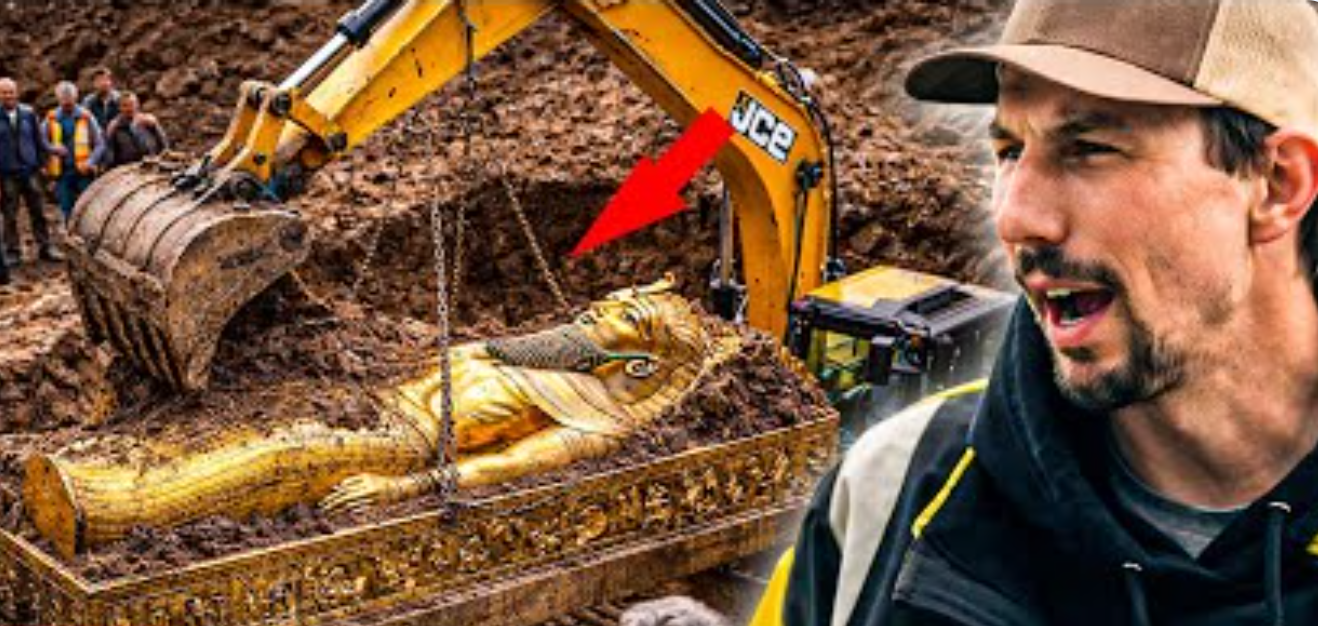
In one of the most tense moments in “Gold Rush” history, Parker Schnabel, the celebrated gold miner, has found himself standing at a crucial crossroads deep in the frozen wilderness of Alaska. For years, Schnabel has built a reputation for boldness, leading his crew through difficult terrains and working against the clock to extract gold worth millions of dollars. However, his latest excavation project may very well be the most dangerous gamble of his career.
The location: a remote area in Alaska, known for its unforgiving conditions and treacherous terrain. The operation was already underway when something unexpected occurred. Sensors monitoring the excavation began detecting strange readings indicating a massive, high-pressure zone beneath the surface. Experts quickly warned that a slight misstep in continuing the excavation could lead to disaster. But the readings also suggested that there could be a gold deposit worth anywhere between $20 million and $30 million buried just below.
“Everything was running smoothly, and then we started seeing some irregular readings,” Parker said. “The ground’s density spiked, and it just didn’t feel right. We weren’t dealing with normal soil or rock. This was something more dangerous.”
The reading wasn’t just unusual—it was a potential disaster waiting to happen. Reports indicated that this anomaly could indicate either a massive gold deposit or a dangerously unstable pressure pocket. With the crew’s equipment under intense pressure and the excavation zone becoming increasingly unstable, Schnabel was left with a critical decision: press forward and risk catastrophic consequences, or stop the excavation and possibly walk away from millions of dollars’ worth of gold.
To make matters worse, the temperature beneath the ground had started to rise—another signal that something was deeply wrong. Mining experts explained that such a temperature increase is usually a sign of a mineral-rich pocket or an unstable geological layer that could collapse under the wrong conditions.
“The increase in pressure and heat isn’t normal,” said one mining expert. “If they go any further, they could risk losing everything. The machines could sink, the ground could collapse, and they could be left with nothing—not even their equipment.”
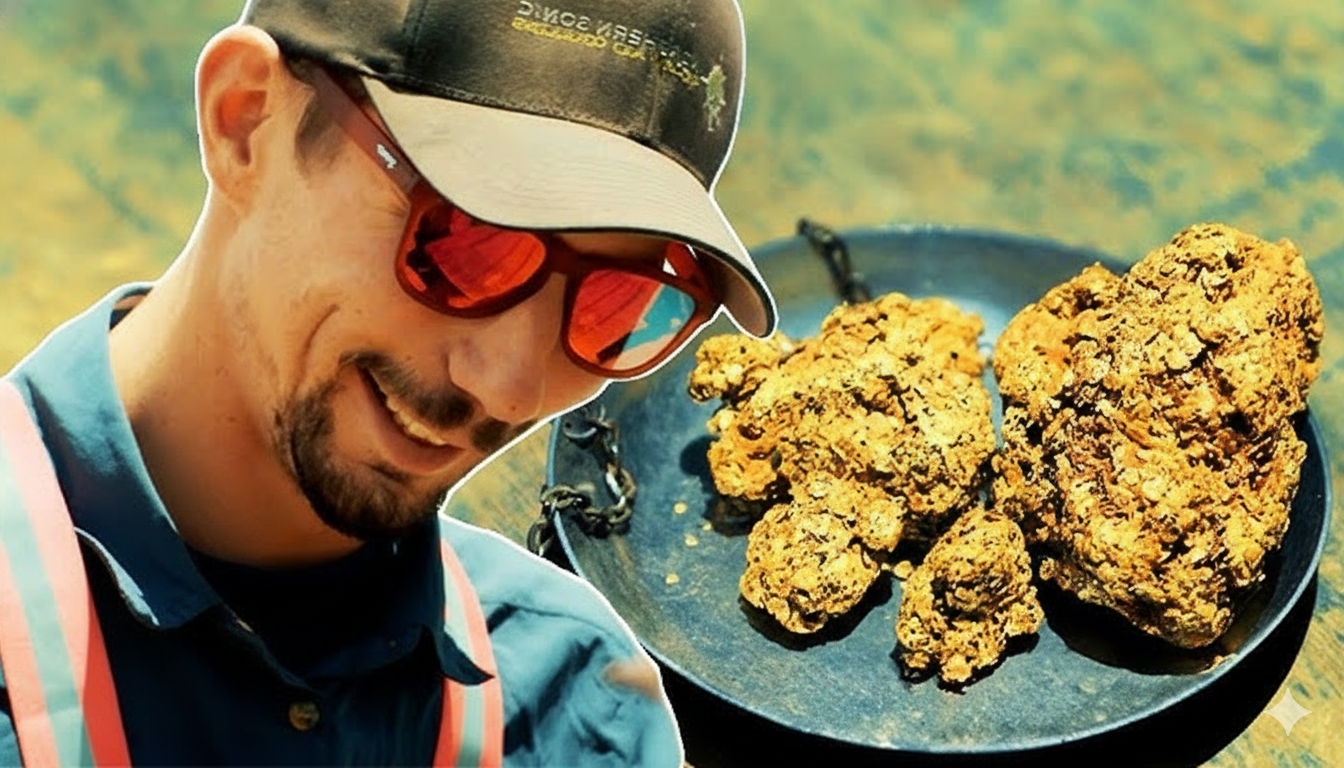
Despite the looming risks, Parker made the bold decision to continue the excavation. He doubled down on his bet, believing the gold was there and that his team could carefully extract it without triggering a disaster. New machinery was brought in to assist, and the excavation ramped up, with teams working around the clock in shifts to remove tons of soil and rock. But each step was filled with tension. The team was now racing against time and the unpredictable forces of nature.
With every hour, the pressure mounted. The excavation was becoming more difficult, and Parker’s confidence seemed to waver as the readings continued to show alarming signs. Despite the rising heat, the crew pressed on, digging deeper into the earth. In a hauntingly silent moment, Parker and his team watched as the drill hit something solid. It wasn’t just rock—it was a stone slab. Embedded within was a nearly intact slab of granite, secured by iron hinges, worn by time but still firmly holding something back. The team was on the edge of discovering something that could be monumental, but they had no idea just how much danger they were in.
After a tense few minutes, the team used specialized cutting tools to break through the barrier. As they breached the stone, the cavern beyond revealed something that would change everything: a massive gold vault hidden for centuries, shimmering with stacks of gold bars. The treasure had been protected by engineering designed to deter anyone brave enough to venture down.
But as they started to extract the gold, the pressure-activated flood system kicked in. Water began pouring into the chamber from all sides, threatening to drown the precious haul and destroy the entire operation in seconds. With no time to waste, the team scrambled to pump out the water as the flooded vault began to fill rapidly.
“Get the pumps in now!” shouted Craig Tester, the team’s lead technician. “We have to save it, or we lose everything.”
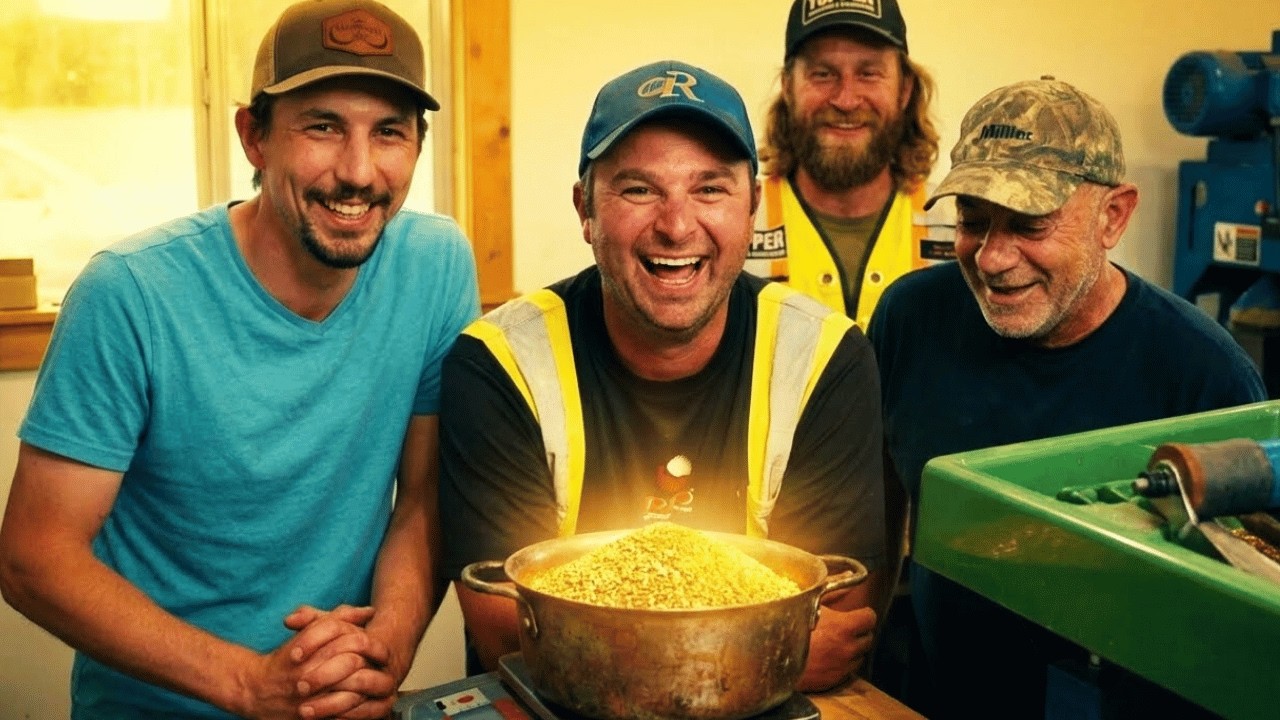
Parker and the team fought desperately against the rising water, pumping it out with all the machinery at their disposal. Hours passed, and the water remained perilously close to the treasure. Each pump load brought the crew closer to a potential disaster, and as the last gold bars were hauled out, the flooding was finally under control. But there was still something deeper at play—a far greater mystery.
As the gold was secured and the team took stock of their victory, something unusual was uncovered: a smaller chest, made from cedar, an incredibly rare material for treasure chests at the time. Inside, instead of gold or jewels, there were stacks of aged leatherbound ledgers and nautical charts, all encrypted with Masonic symbols and pirate shorthand. What they had uncovered wasn’t just treasure—it was a blueprint to the legacy of an underground pirate syndicate, one that had existed centuries ago, controlling the transatlantic movement of wealth.
The realization hit Parker and his team with a cold shock: these weren’t just pirates looking for gold, they were part of a highly organized secret society—one that had maintained hidden treasure vaults all over the world, including Oak Island. This treasure was merely a small piece of a much larger network of hidden vaults.
But the danger was far from over. As news of the discovery spread, so did the risks. The team quickly noticed strange activity around the island—drones circling overhead, unmarked boats lingering in the distance. The pressure from treasure hunters, privateers, and criminals across the world increased exponentially.
For Parker and his team, this wasn’t just about finding gold—it was about surviving the treasure hunt and dealing with the shadows of the past that were now bearing down on them. The legend of Oak Island was no longer a myth; it was a global revelation, and with it came all the dangers and complications of a world that had been kept hidden for centuries.
The question remains: what other secrets are buried beneath Oak Island? And will the discovery of $110 million in pirate gold lead to even more shocking revelations—or will it turn into a dangerous game of cat and mouse with forces that Parker and his team are only beginning to understand?