An $8 million gold mine with enormous reserves has been discovered deep underground.

From the perspective of a Gold Rush analyst, the idea of an ancient treasure discovery buried deep underground with extraordinarily large reserves is not as far-fetched as it might initially sound. In fact, it aligns closely with patterns the series has quietly documented for years: overlooked ground, incomplete historical extraction, and geological systems far more complex than early miners ever understood.
Across multiple seasons of Gold Rush, one consistent theme has emerged. The old-timers were skilled, determined, and remarkably effective for their era—but they were also limited by technology, access, and time. Hydraulic monitors, deep drilling, modern wash plants, and advanced geological modelling simply did not exist when much of the Yukon was first worked. As a result, vast quantities of gold were left behind, not because they were absent, but because they were unreachable.
Why “ancient” gold still exists underground
When analysts discuss “ancient treasure” in the context of Gold Rush, it does not necessarily mean coins or artefacts. Instead, it refers to primary gold systems that predate modern mining entirely—deep channels, buried riverbeds, and untouched pay layers formed tens of thousands of years ago. These systems often sit far below the reach of traditional surface mining and even beyond the depth most placer miners are willing or able to explore.
Recent seasons have shown increasing evidence of this. Drill data, seismic surveys, and test cuts repeatedly reveal gold appearing at depths that contradict long-held assumptions. What once looked like exhausted ground is now being reclassified as incomplete extraction zones, especially where permafrost, clay layers, or compacted overburden sealed rich deposits below.
Who is best positioned to uncover it?
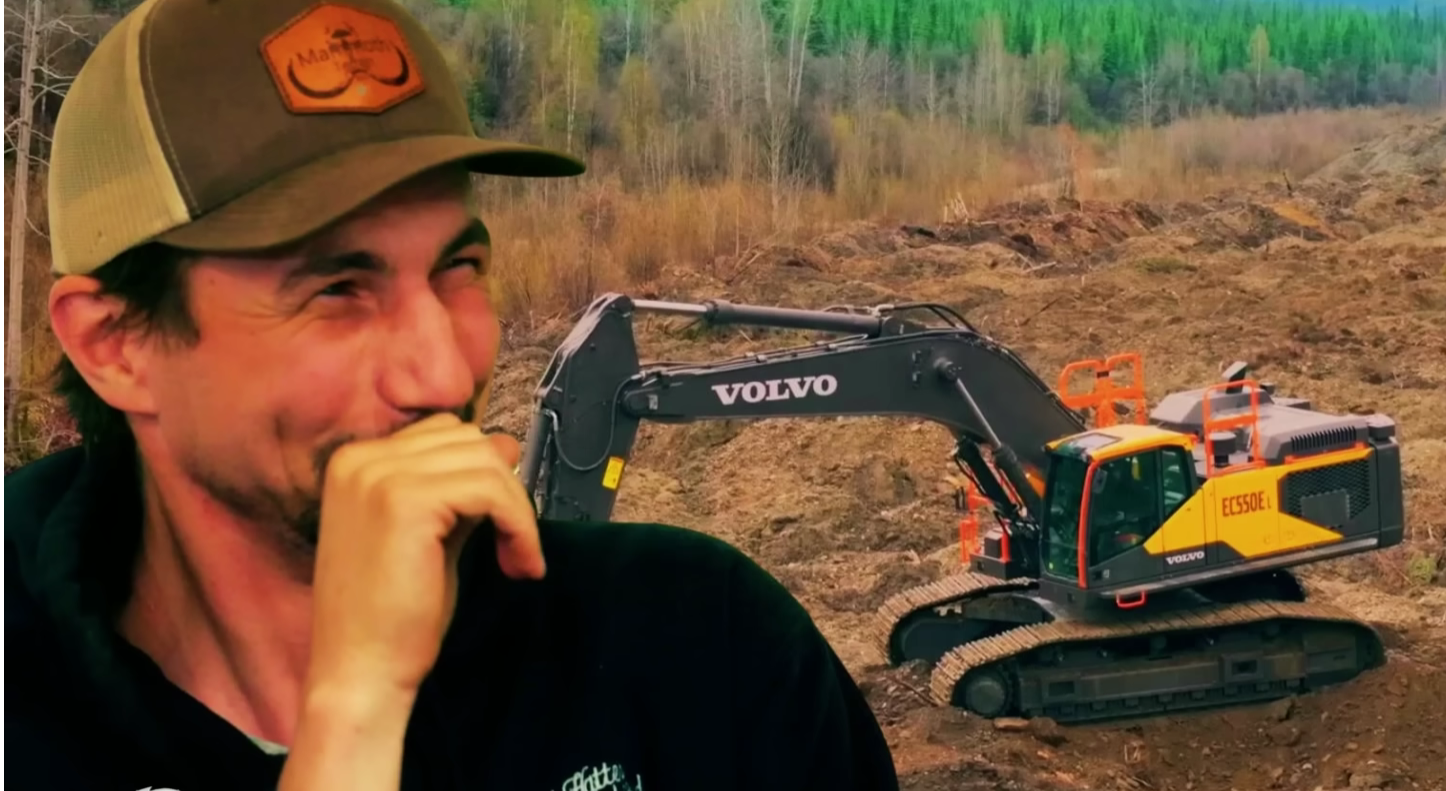
Among the current operators, Parker Schnabel stands out as the most likely to push into this territory. Parker’s strategy over recent seasons has shifted away from short-term surface returns toward large-scale ground control and long-horizon planning. His investments in drilling, data analysis, and multiple wash plants suggest preparation for something bigger than incremental gains.
Similarly, Tony Beets has long demonstrated a willingness to work ground others consider finished. His success at Indian River and Paradise Hill underscores a crucial truth: old ground does not mean empty ground. Tony’s experience reading geological patterns, particularly buried channels, makes him uniquely capable of exploiting deep, ancient systems—if the infrastructure can support it.
By contrast, Rick Ness faces a more complex path. While Rick has shown determination and technical growth, deep-ground operations require stability, capital discipline, and long-term planning. Should a major ancient deposit be confirmed, Rick’s role may depend on partnerships or access rather than independent development.
The technical challenge beneath the excitement
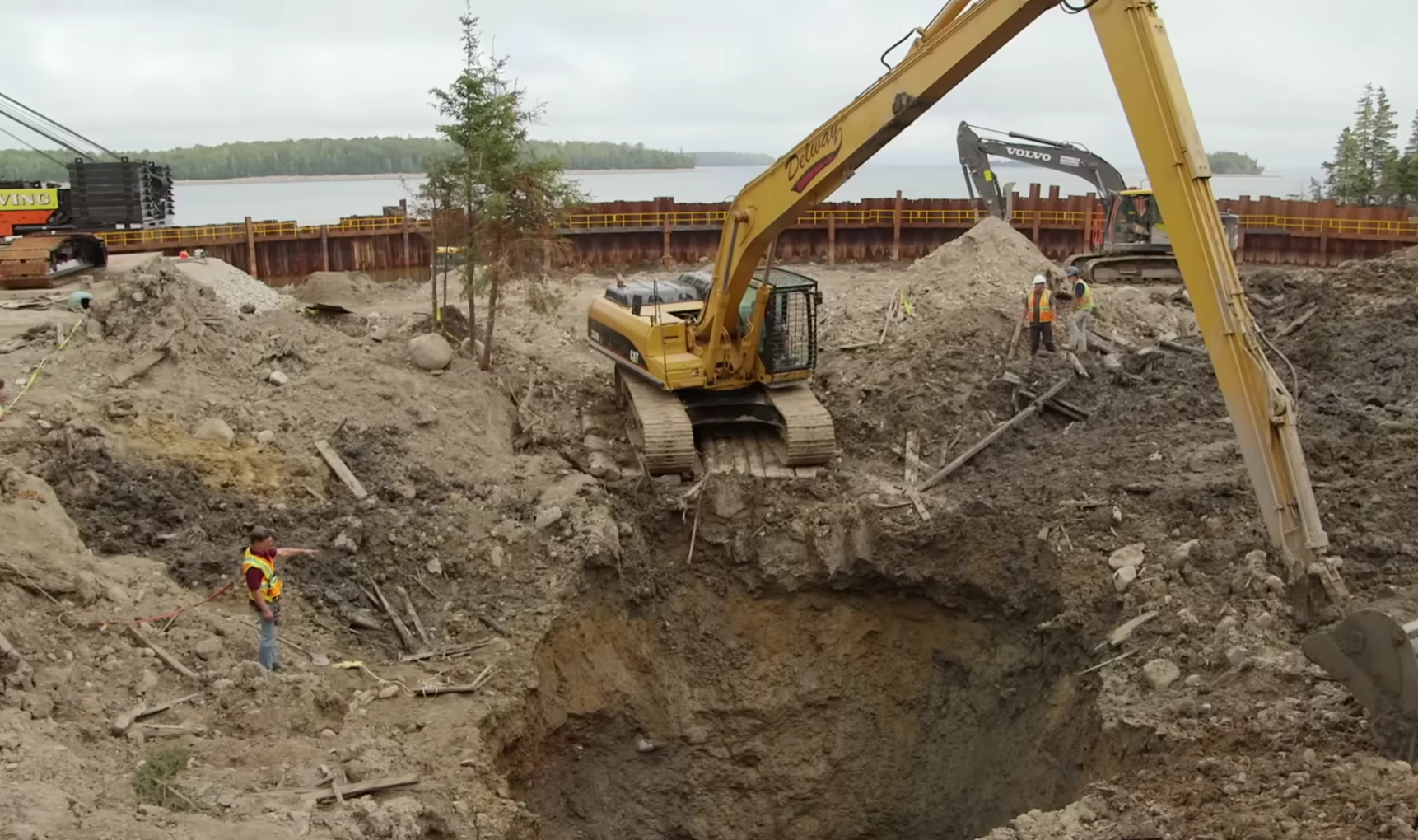
A discovery of this scale would not immediately translate into easy production. Deep gold systems present serious operational challenges: water control, slope stability, equipment strain, and slower material movement. Unlike shallow cuts, deep excavation magnifies every decision. One poorly placed cut or misjudged layer can stall an entire operation.
This is where Gold Rush has evolved beyond a simple mining show. Increasingly, success depends on engineering judgment, data interpretation, and patience. A large underground system would force crews to slow down, not speed up—prioritising controlled extraction over volume.
From a production standpoint, the show has already laid the groundwork for this transition. Viewers have seen longer setup phases, extended drilling programs, and entire episodes devoted to planning rather than immediate gold totals. That is not filler content; it is narrative preparation.
What it would mean for the future of the series
If an ancient, high-volume gold system were confirmed, it could redefine the trajectory of Gold Rush itself. Rather than focusing on weekly weigh-ins, the series would shift toward multi-season development arcs, following the slow unlocking of a resource that could last decades.
This would also alter the competitive dynamic. Instead of chasing seasonal targets, miners would be competing on who can interpret geology most accurately, deploy infrastructure most effectively, and maintain operational discipline under pressure.
For audiences, this represents a more mature version of Gold Rush—less about spectacle, more about strategy. The tension would no longer come from whether gold exists, but from whether crews can reach it without compromising their entire season.
A realistic prediction
Based on current trends, the most plausible outcome is not a single dramatic breakthrough, but a progressive confirmation. Initial drill holes will indicate unusually high concentrations at depth. Follow-up testing will refine the boundaries. Only then will large-scale excavation begin, likely over multiple seasons.
When that moment arrives, the language around “leftover gold” will disappear. What miners are uncovering is not leftover at all—it is untouched, preserved by depth and time, waiting for tools and knowledge that finally match its complexity.
From an analytical standpoint, the signs are already there. The question is no longer whether such treasure exists beneath the Yukon, but which crew will understand it well enough to bring it to the surface.