Gary Drayton Exposes the Truth: IS OAK ISLAND’S BIGGEST TREASURE JUST A MARKETING PLOY?
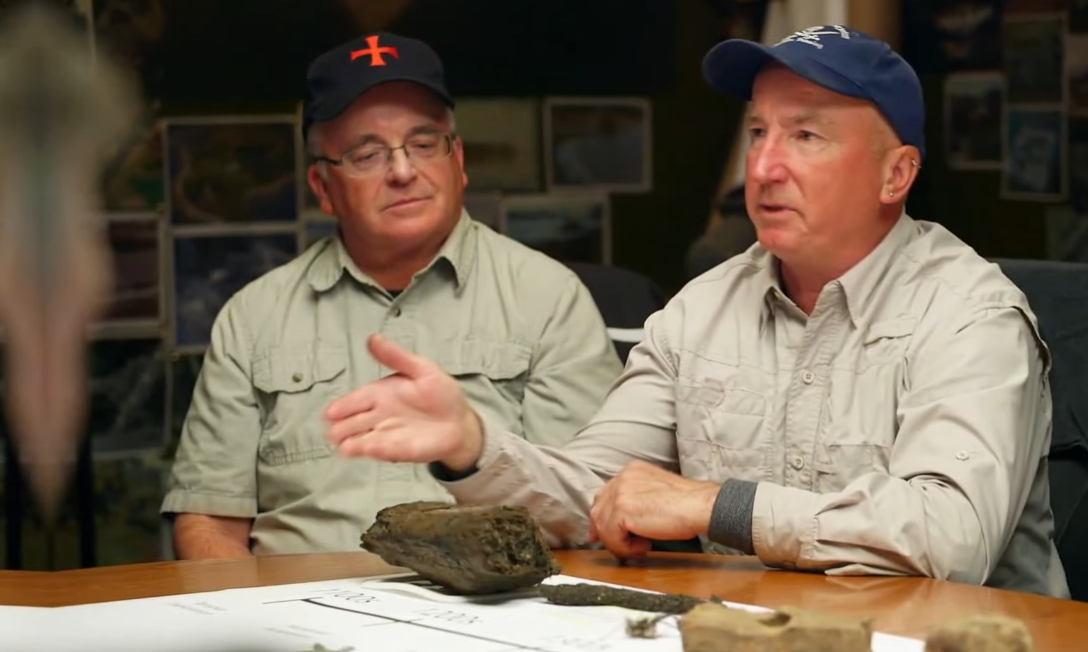
For over a decade, Gary Drayton has been the face of “tangible discovery” on Oak Island. With a metal detector in hand and his signature catchphrase “Bobby Dazzler,” he has unearthed coins, lead crosses, and artifacts that have kept millions of viewers glued to their screens. However, a growing chorus of skeptics and alleged “insider whispers” are now suggesting that the greatest discovery on the island isn’t gold or ancient manuscripts—it’s the brilliance of a well-crafted narrative.
The Artifact Anomaly
The central allegation facing the long-running series is one of “narrative convenience.” Critics point out that for every significant find—a Spanish maravedi or a medieval brooch—there are thousands of hours of detecting that yield only modern “searcher trash.” Yet, the island seems to provide exactly what the plot requires at precisely the moment a season finale or a mid-season slump needs a boost.
The most controversial find remains the lead cross discovered at Smith’s Cove. Skeptics argue the improbability of such a find: an area that has been excavated, dammed, and bulldozed for 200 years suddenly yielded a Templar-style artifact just inches below the surface during a casual sweep by Drayton. This “one-in-a-billion” luck has led to heavy accusations of “planted” artifacts, a claim that would dismantle the show’s perceived authenticity.
Geology vs. Mythology
While the show portrays the “Money Pit” as a masterpiece of ancient engineering protected by sophisticated flood tunnels, local geologists offer a more grounded explanation. Oak Island sits atop highly porous limestone—essentially a “natural sponge” in the Atlantic.

“When you dig a hole below sea level on a porous island, it fills with water,” says one geological researcher. “It isn’t a pirate booby trap; it’s basic physics.” Similarly, the “artificial” coconut fibers found on the beach—once touted as proof of an exotic engineering project—are now being re-evaluated as common 19th-century packing material or rope remnants discarded by previous searchers.
The Business of the Hunt
The real “Money Pit,” according to critics, isn’t underground; it’s the multi-million dollar entertainment empire the island has become. The Lagina brothers may have started as genuine searchers, but they are now the stewards of a global brand that fuels tourism in Mahone Bay and generates massive broadcasting revenue.
This creates a paradoxical incentive: The mystery must never be solved. * If treasure is found, the show ends.
-
If it is proven that nothing exists, the show ends.
-
Therefore, the “Bobby Dazzlers” serve as a perpetual motion machine, providing just enough evidence to sustain hope without ever reaching a definitive conclusion.
A Legacy of “Searcher Trash”
Drayton’s alleged frustration stems from the “intellectual dishonesty” of the editing room. On screen, a rusty spike is a “galleon deck bolt”; in reality, it may be a common 19th-century logging spike. Because Oak Island was once an industrial site for timber harvesting and cabbage farming (it was once known as “Cabbage Island”), the ground is naturally littered with the detritus of oxen, small boats, and laborers.
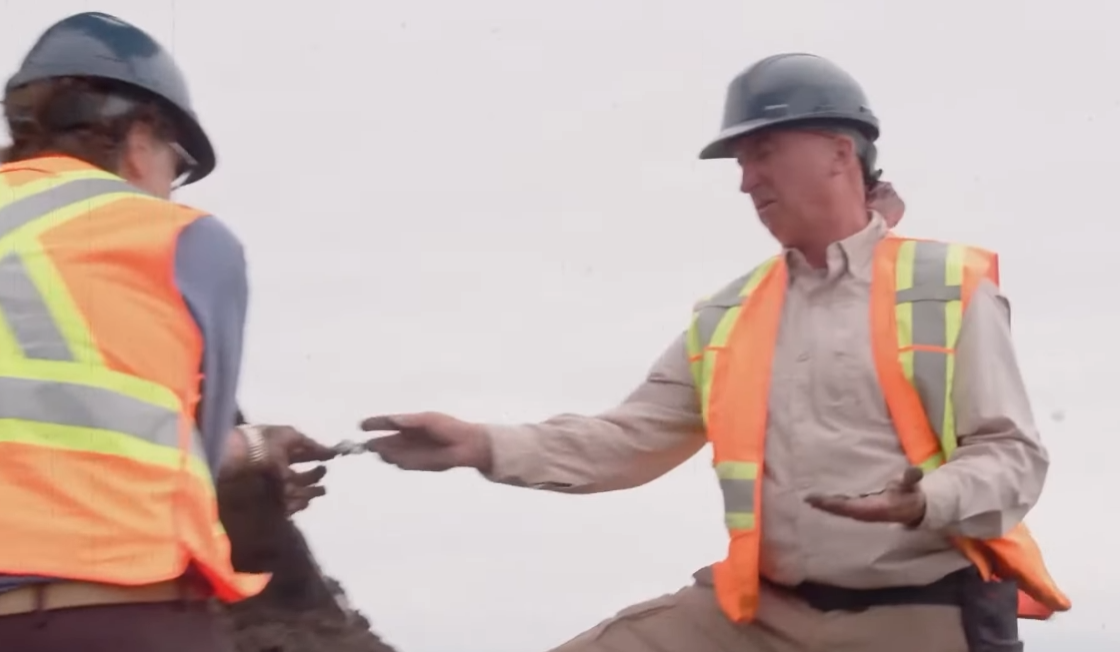
The show is essentially an archaeological dig of 200 years of failed treasure hunts. Every piece of wood or leather found 90 feet down is more likely a remnant of the Truro Company (1845) or the Enslow Company (1803) than the Knights Templar.
As the search continues into another season, the question for viewers remains: are we watching history being unearthed, or are we watching a masterclass in modern folklore? The true treasure of Oak Island may not be buried in a vault, but found in the pockets of the millions who still want to believe.