THE $85M DECEPTION: RESEARCHER PROVES OAK ISLAND SHAFT WAS “ENGINEERED TO FAIL”

For decades, skeptics have dismissed the mysterious $85 million shaft on Oak Island as a mere “accident of nature”—a byproduct of shifting tides and limestone erosion. However, a groundbreaking investigation by researcher Emma Culligan has effectively dismantled the natural explanation, revealing a structure so precisely engineered that she has labeled the site not a mystery, but a “pre-meditated crime scene.”
Culligan’s findings, which utilize pre-industrial excavation profiles and hydraulic data, suggest that the shaft was never meant to hold treasure. Instead, it was designed to act as a sophisticated “sacrificial barrier,” built to protect a deeper, more valuable core by deceiving and deterring anyone who dared to dig.
Geometry of Intent
The primary evidence against a natural formation lies in the shaft’s startling internal geometry. Unlike sinkholes, which flare outward as they descend due to gravity, the Oak Island shaft maintains a tight, narrow, and controlled profile. Even as it passes through layers of unstable soil—sand, clay, and gravel—the walls remain unnervingly stable.
“Nature does not follow engineering blueprints,” Culligan noted in her report. “This shaft utilizes ancient engineering ratios and stress compensation techniques that were used in pre-industrial mining to prevent inward collapse. When you overlay this data against early defensive shafts, the tolerances match perfectly. This isn’t geological wander; it’s intent.”
The “Staged” Instability
One of the most unsettling aspects of the shaft is what Culligan calls “theatrical chaos.” Near the surface, the shaft appears to be a mess of loose fill and broken alignment—the exact profile of a natural collapse. This disorder, she argues, was a deliberate disguise meant to discourage early explorers.
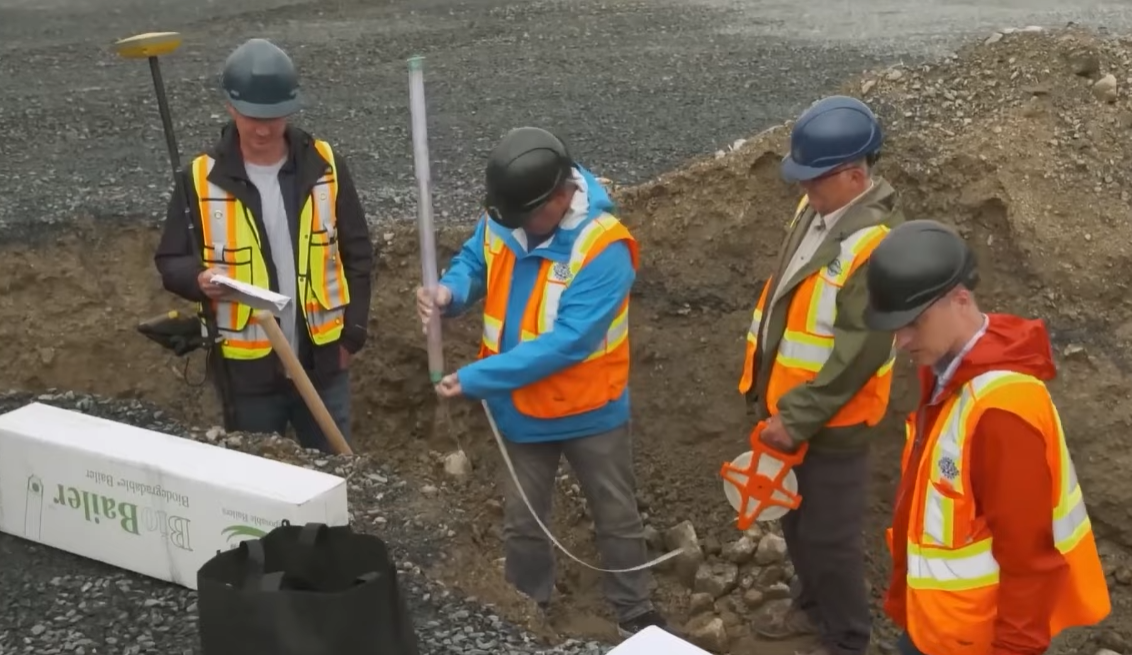
“The mess exists only where it would be seen first,” Culligan explains. “As you move deeper, the chaos ends abruptly. The walls regain control, the density increases, and the structure returns. Natural collapses don’t suddenly ‘fix’ themselves the deeper they go. This was built to convince diggers they had reached an unstable dead end.”
The Clay Gasket and Hydraulic Armor
Laboratory analysis of a dense clay layer found deep within the shaft has further disrupted the timeline. The clay shows signs of being pre-compressed before burial, functioning as a “gasket” to regulate underground water pressure.
Rather than fighting the ocean, the shaft appears to “work with it.” Culligan discovered a series of drainage paths that gather and direct water away from specific, dry zones nearby. This selective drainage points to the existence of protected chambers sitting adjacent to the shaft—spaces shielded from moisture by an ancient, engineered hydraulic system.
A Shield, Not a Vault
The most profound revelation is the shaft’s true purpose. Culligan’s mapping shows that the structure contains “engineered weak spots”—points designed to fail first when pressure builds. This sacrificial design draws force toward the shaft and away from nearby underground voids.
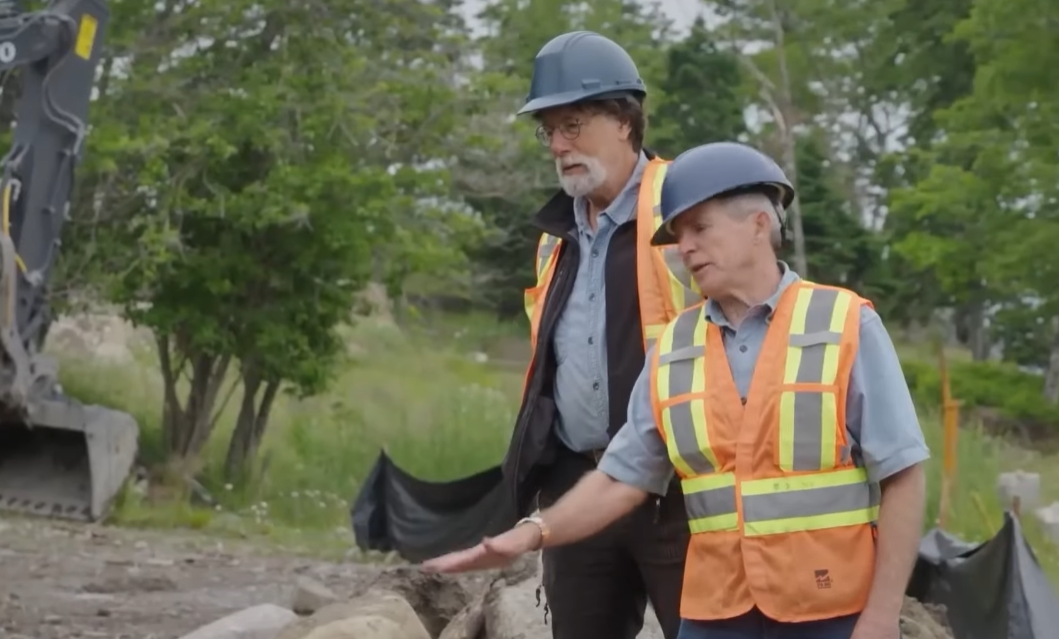
“The shaft isn’t a passage; it’s armor,” Culligan concludes. “It takes damage so something else doesn’t have to. Every collapse blamed on ‘bad luck’ over the last 200 years was actually the defense system performing exactly as intended.”
As the fellowship prepares to re-evaluate their drilling targets based on this “logic-first” approach, the world is left wondering: if the $85 million shaft is merely the shield, what is so powerful that it required such an elaborate, multi-century defense?